
Beautiful Plants For Your Interior
Beautiful Plants For Your Interior
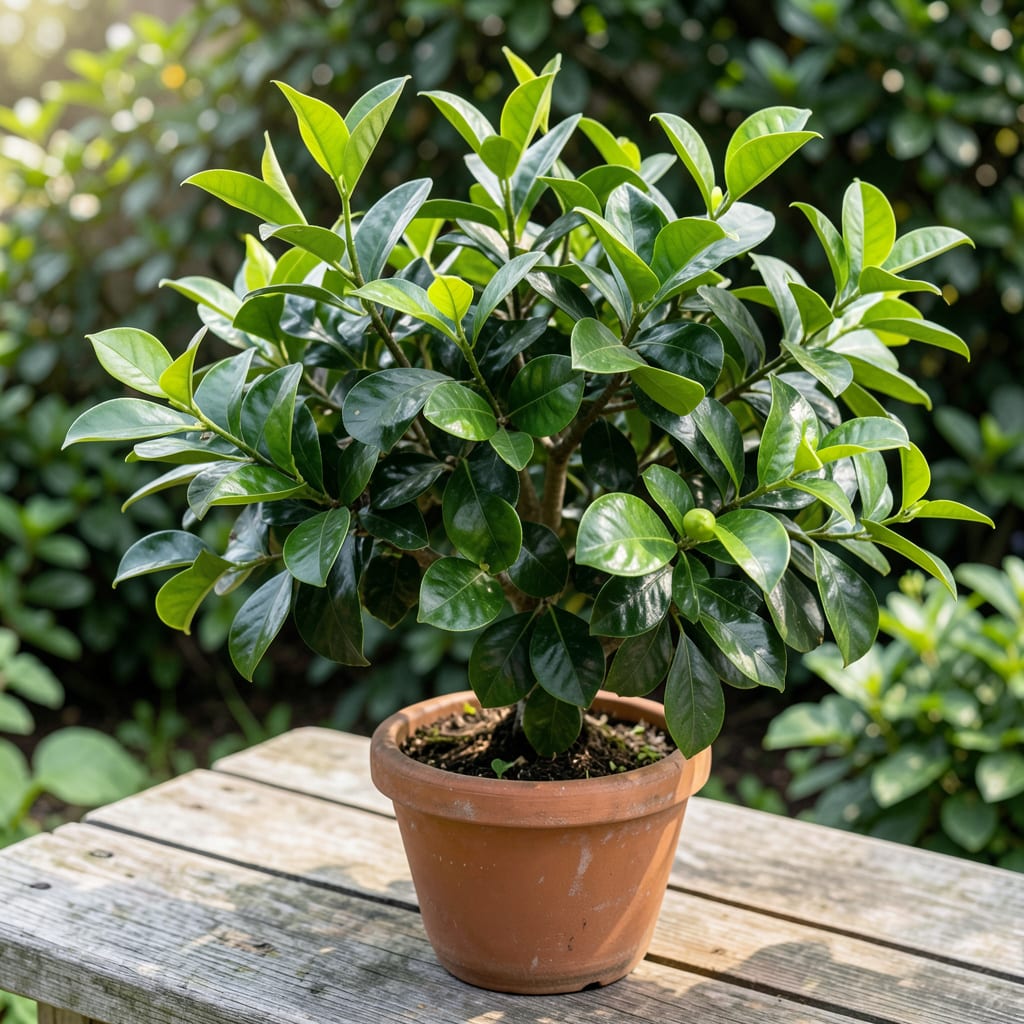
My lime tree’s leaves started curling inward last summer, and I panicked. Turns out, it’s usually a sign of stress—not always a death sentence.
Most often, it’s pests like aphids or mites sucking on the leaves, but overwatering, nutrient deficiencies, or even too much sun can cause the same issue. The key is checking the undersides of leaves first.
Once you identify the culprit, solutions are straightforward. A blast of water can knock off pests, while adjusting water or fertilizer fixes environmental stress.
Prevention means regular inspections and keeping your tree in the right conditions. Early action saves the harvest.
Lime tree leaves curling inward often signal underlying stress. Here are the most common causes, broken down for clarity:
Insects like aphids, mites, or scale feed on sap, causing leaves to curl as a defensive response. These pests disrupt nutrient flow, leading to distorted growth. Check the undersides of leaves for tiny bugs or sticky residue (honeydew).
Both overwatering and underwatering can trigger curling. Overwatering suffocates roots, reducing nutrient uptake, while drought stress forces leaves to conserve moisture by curling inward. Ensure consistent, deep watering without waterlogging.
Extreme heat or cold drafts stress lime trees, prompting leaf curling. Sudden temperature swings or exposure to frost can also damage tender foliage. Shield trees from harsh conditions or relocate potted ones indoors if needed.
Lack of magnesium, potassium, or calcium may cause leaf edges to curl. Yellowing or stunted growth often accompanies this. Test soil pH (ideal: 6.0–7.0) and amend with compost or targeted fertilizers.
Fungal or bacterial infections (e.g., citrus canker) can induce curling. Look for spots, lesions, or wilting alongside curled leaves. Prune infected areas and apply copper-based fungicides preventively.
Identify the cause early to tailor your solution and restore your lime tree’s health.
Here’s how to tackle each common cause of inward-curling lime tree leaves with simple, actionable fixes:
Fix: Let the top 1–2 inches of soil dry out between waterings. Repot the tree in well-draining soil if the roots are soggy or rotting. Use a pot with drainage holes to prevent waterlogging.
Prevention: Water only when the soil feels dry to the touch. A moisture meter can help avoid guesswork. 💡
Fix: Deeply water the tree until water runs out the drainage holes. Mist the leaves 2–3 times a week or use a humidity tray to boost moisture in dry climates.
Prevention: Maintain consistent moisture by checking soil weekly. Grouping plants together can also raise humidity naturally. 🌡️
Fix: Spray leaves with neem oil or insecticidal soap to target aphids, mites, or scale. Wipe leaves with a damp cloth to remove pests manually. Repeat every 5–7 days until gone.
Prevention: Inspect leaves regularly (especially undersides) and keep the area clean. Introduce beneficial insects like ladybugs for long-term control. ✨
Fix: Move the tree to a spot with bright, indirect light (6–8 hours daily). Shield it from harsh afternoon sun or cold drafts. If indoors, rotate the pot quarterly for even light exposure.
Prevention: Acclimate the tree gradually to new conditions. Avoid placing it near heaters, AC vents, or windy areas. 🎯
Fix: Apply a balanced citrus fertilizer (e.g., 10-10-10) every 4–6 weeks during growing season. For severe deficiencies, use a foliar spray (like magnesium sulfate for yellowing leaves).
Prevention: Test soil annually and amend with compost. Avoid over-fertilizing, which can burn roots. 🌱
Inspect leaves weekly, especially undersides where pests hide. Look for tiny bugs, webbing, or sticky residue. Early detection prevents major infestations.
Water deeply when the top 1-2 inches of soil are dry. Ensure pots have drainage holes to avoid root rot. Consistency matters more than frequency.
Yes, over-fertilizing can burn roots and stress the tree. Use a balanced citrus fertilizer every 4-6 weeks during growing season. Always follow package instructions.
