
Beautiful Plants For Your Interior
Beautiful Plants For Your Interior
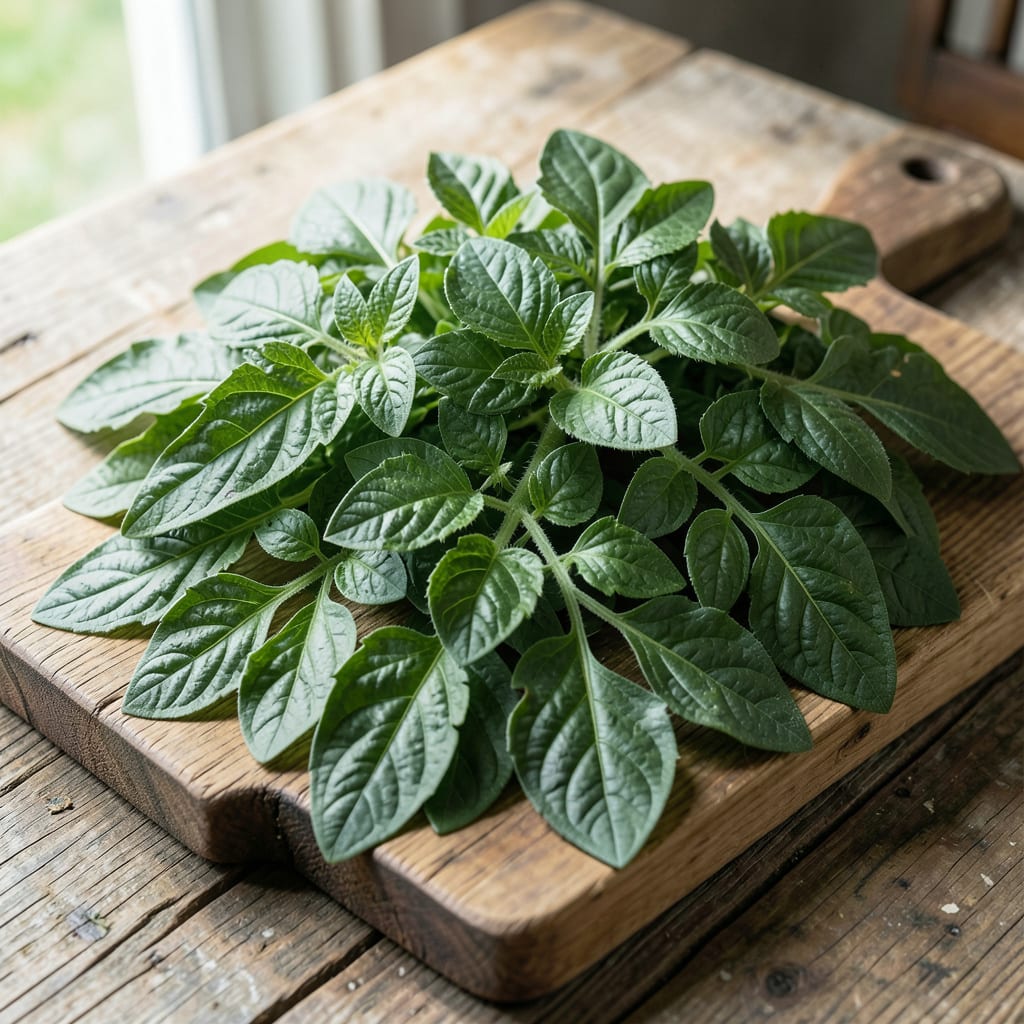
Spotting tomato leaves in your garden is easier than you think. They’re compound with jagged edges, growing in sets of 5-9 leaflets that fan out like fingers from a central stem.
The color is a deep, vibrant green with a slightly fuzzy texture that feels almost velvety. Healthy leaves smell distinctly earthy when crushed—your first clue to proper identification and plant care.
📚 In This Guide
Here’s how to recognize tomato foliage with confidence, even if you’re new to gardening.
Tomato leaves are compound, meaning each leaf is made up of multiple smaller leaflets arranged along a central stem called the rachis. Look for 7-9 leaflets per leaf, though some varieties may have slightly more or fewer. The leaflets grow in pairs with a single terminal leaflet at the tip, creating a symmetrical, feather-like appearance.
I always start by checking the edges—tomato leaflets have serrated or toothed margins, not smooth. This jagged edge is a key identifier that sets them apart from many other common garden plants. Hold the leaf up to the light to see the distinct veins running parallel from the midrib to the edge of each leaflet.
Run your fingers across the surface. Tomato leaves feel slightly fuzzy or hairy, especially on the underside and along the stems. These tiny hairs, called trichomes, are a natural defense mechanism. The color is typically a vibrant medium to dark green, though younger leaves may appear lighter and more tender.
If the leaves look glossy or smooth, it’s likely not a tomato plant. Some varieties, like those with purple or variegated foliage, exist, but the standard tomato leaf is matte and textured. Check for a slightly sticky residue—this is normal and comes from the plant’s natural secretions.
Tomato leaves grow in an alternate pattern along the stem, meaning they emerge one per node, alternating sides as you move up the plant. This is different from plants with opposite or whorled leaf arrangements. Each leaf emerges from a point where a branch or flower cluster may also develop.
I pay close attention to the spacing between leaves. On a healthy, mature tomato plant, leaves are spaced 2-4 inches apart along the stem. If the plant is leggy or stretched, the gaps may be larger, but the alternate pattern remains consistent. Look for small, yellowing leaves at the base—these are often the cotyledons, or seed leaves, which appear first and differ in shape from the true leaves.
Tomato leaves are often confused with potato or eggplant leaves, as they’re all in the nightshade family. However, potato leaves are usually more elongated and less deeply serrated. Eggplant leaves may have a smoother edge and a slightly more leathery texture. Hold the leaf up to compare the depth of the serrations—tomato leaves have pronounced, sharp teeth.
Another common mix-up is with black nightshade or other weedy relatives. These often have simpler, smaller leaves without the same complexity. If you’re unsure, crush a small piece of the leaf and smell it. Tomato leaves have a distinct, slightly pungent earthy aroma that’s hard to mistake once you’ve experienced it.
Here are the key details that help avoid confusion when recognizing tomato foliage.
Shape and Structure: In Step 1, focus on the compound nature of the leaves—each should have 7-9 leaflets arranged along a central stem. The symmetrical, feather-like appearance with a single terminal leaflet at the tip is unique. If the leaf doesn’t have this structure, it’s likely not a tomato plant.
Texture and Color: As mentioned in Step 2, the fuzzy or hairy texture, especially on the underside, is a dead giveaway. If the leaves feel smooth or look glossy, they’re probably not tomato leaves. The matte, slightly sticky surface is another clue to confirm your identification.
Arrangement on the Stem: Step 3 highlights the alternate pattern along the stem, with leaves spaced 2-4 inches apart. This consistent spacing and alternating emergence are hallmarks of tomato plants. If the leaves grow in pairs or whorls, you’re likely looking at a different plant.
Tomato leaves are deeply lobed, with jagged edges and a slightly fuzzy texture. They grow in pairs along the stem and have a strong, earthy scent when crushed. If the leaves match this description, your plant is likely a tomato.
Yellow leaves often indicate overwatering, nutrient deficiencies (like nitrogen), or pests. Check soil moisture and inspect leaves for spots or pests. Adjust care accordingly to restore healthy green foliage.
No, tomato leaves contain solanine and tomatine, which are toxic in large amounts. While some gardeners use them sparingly in cooking, it’s best to avoid consuming them, especially raw.
Healthy tomato leaves are vibrant green, firm, and free of spots or holes. They should have a consistent shape with deep lobes and serrated edges, and the plant should look lush and vigorous.
