
Beautiful Plants For Your Interior
Beautiful Plants For Your Interior
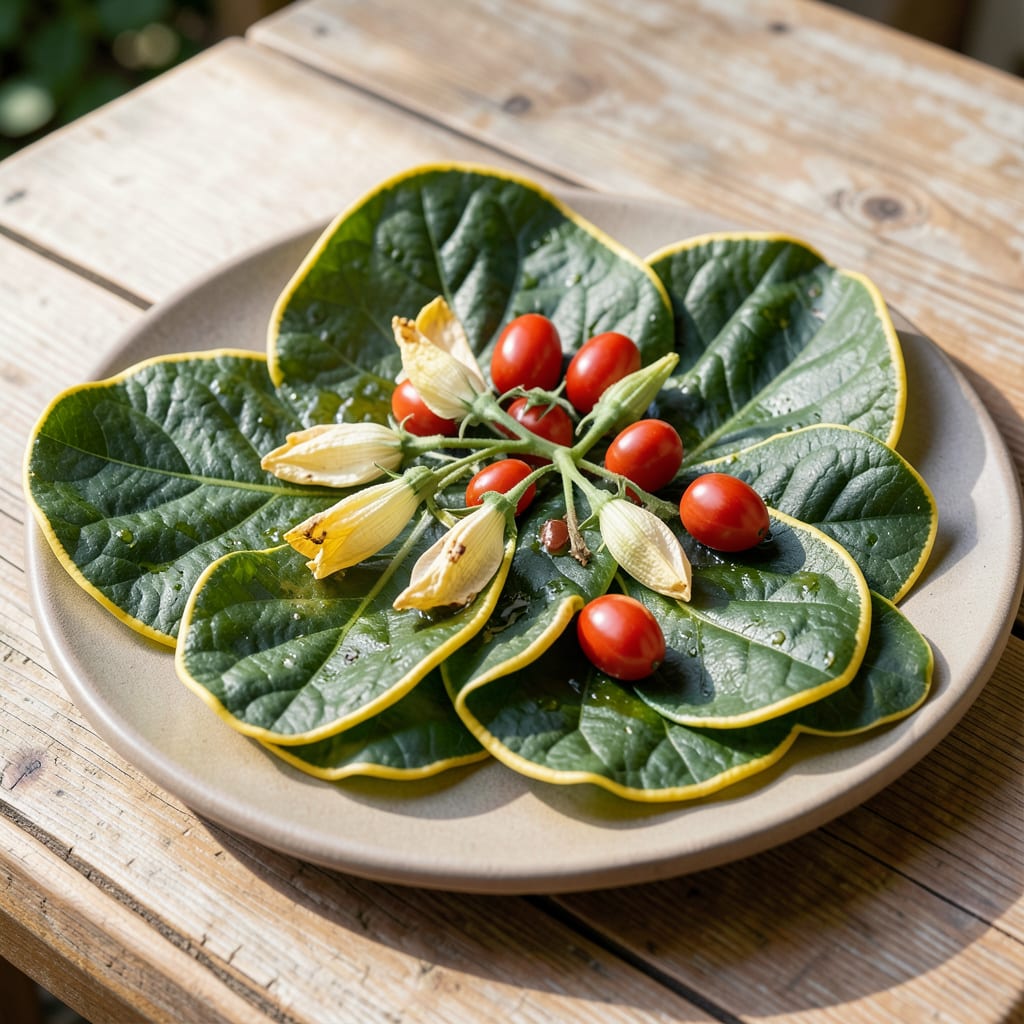
Yellow edges on zucchini leaves always mean something’s off. I’ve seen this in my own garden when plants get stressed by heat, water, or soil issues.
It’s rarely one single cause—usually a combo of dry spells, hungry soil, or too much sun. The good news? Fixing it is simpler than you think with a few quick adjustments.
Your plants can bounce back in under a week once conditions improve. No fancy treatments needed, just better care.
Works for container zucchini too—not just in-ground gardens. Let’s get those leaves green again.
Several stressors can turn zucchini leaf margins yellow. Below are the most common triggers, explained in practical terms.
When temperatures climb above 90°F (32°C), zucchini plants struggle to keep up with transpiration. Leaf edges, furthest from the water-conducting veins, dry out first, turning yellow then brown. Midday wilting followed by crisp edges is a classic sign.
Both under- and overwatering stress the plant. Too little water causes edges to yellow as cells die from dehydration. Too much water suffocates roots, reducing nutrient uptake—especially nitrogen—and yellowing appears between veins before reaching edges.
Potassium and magnesium shortages often show up as yellow edges with green centers. Potassium-deficient leaves may also curl. Magnesium deficiency starts as interveinal yellowing on older leaves, progressing to the margins. A soil test confirms which nutrient is lacking.
If soil pH drifts below 5.5 or above 7.5, zucchini can’t absorb essential minerals—even if they’re present. Iron and manganese become unavailable in high pH, causing chlorosis that begins at leaf edges. Acidic soil locks out calcium and magnesium, leading to similar symptoms.
Addressing yellow edges on zucchini leaves starts with identifying the root cause. Below are targeted fixes for common issues, along with prevention tips to keep your plants thriving.
Fix: Adjust your watering routine. If the soil is dry, water deeply at the base of the plant (1–2 inches per week). For waterlogged soil, improve drainage by adding compost or sand. Use a moisture meter to monitor soil conditions.
Prevention: Mulch around plants to retain moisture and water early in the morning to reduce evaporation.
Fix: Shield plants from heatwaves with shade cloth (30–50% shade) during peak sun hours. For cold snaps, cover plants with frost blankets or row covers overnight.
Prevention: Plant zucchini in well-draining, sunny spots but avoid areas prone to temperature swings.
Fix: Test your soil. For nitrogen deficiency, apply a balanced fertilizer (10-10-10) or side-dress with compost. For magnesium, use Epsom salt (1 tablespoon per gallon of water) as a foliar spray.
Prevention: Amend soil with organic matter before planting and fertilize lightly every 4–6 weeks during the growing season.
Fix: Spray leaves with insecticidal soap or neem oil to target aphids, spider mites, or whiteflies. Remove heavily infested leaves and dispose of them in sealed bags.
Prevention: Encourage beneficial insects like ladybugs by planting companion flowers (e.g., marigolds) and inspect leaves weekly.
Fix: Prune affected leaves to improve airflow. Apply a copper-based fungicide or a homemade baking soda spray (1 tsp baking soda + 1 quart water + a drop of dish soap).
Prevention: Space plants 2–3 feet apart, avoid overhead watering, and rotate crops yearly to prevent fungal buildup.
💡 Pro Tip: Yellow edges often signal early stress—act quickly to prevent spread and boost plant resilience!
Yes, too much water suffocates roots and blocks nutrient uptake. You’ll often see yellowing between veins first, then spreading to edges. Always check soil moisture 2 inches down before watering.
Potassium shortage shows as yellow edges with green centers, while magnesium starts as interveinal yellowing. A $20 soil test gives you the exact answer.
Use 30-50% shade cloth during peak sun hours. This prevents leaf scorch while still allowing enough light for growth.
A baking soda spray (1 tsp per quart of water) works well for early cases. Add a drop of dish soap to help it stick to leaves.
