
Beautiful Plants For Your Interior
Beautiful Plants For Your Interior
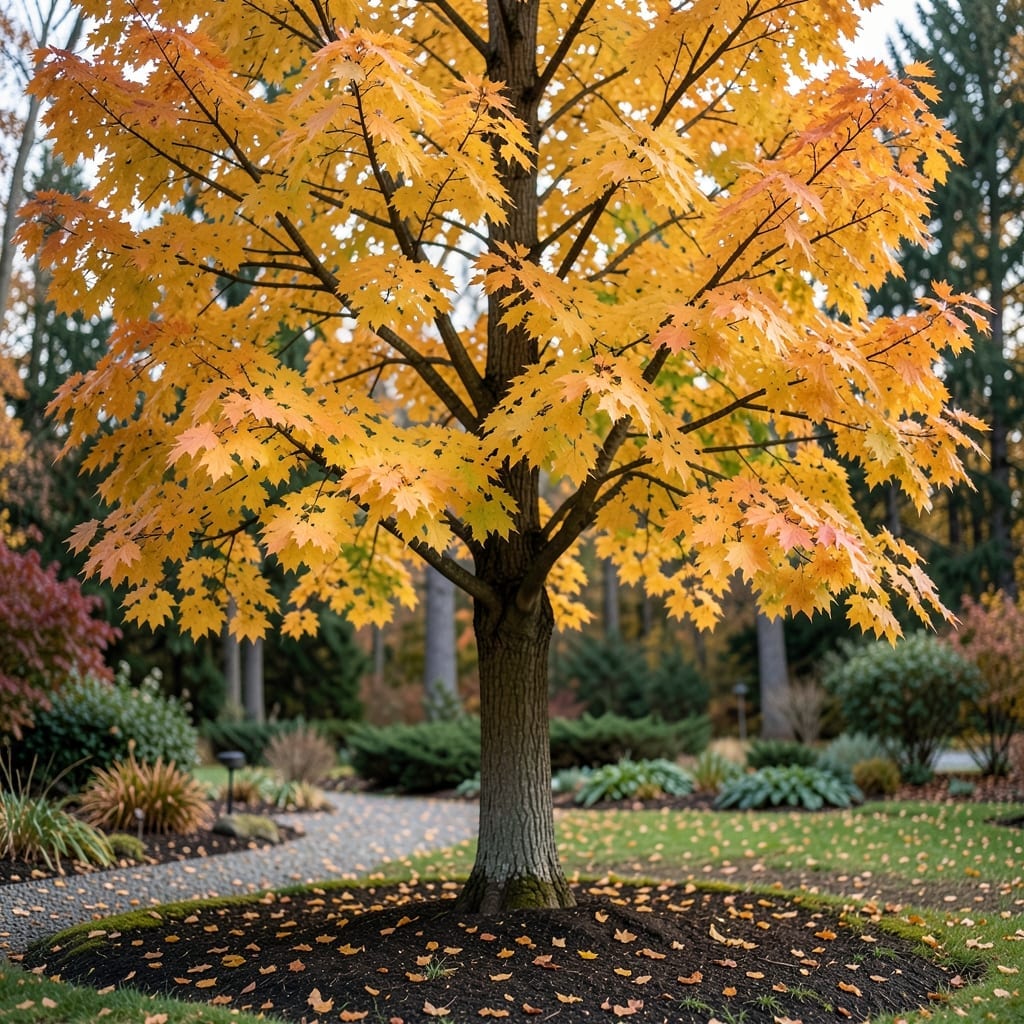
Yellow maple leaves in summer stopped me in my tracks last July. Not the autumn gold we love, but a sickly hue that spells trouble for the tree.
Most times it’s an easy fix: too much water, not enough iron, or a sneaky pest you can’t see. I’ve nursed a dozen maples back to health with simple adjustments to soil and care routines.
You’ll notice the difference within 2-3 weeks of addressing the root cause. Leaves regain their deep green, new growth emerges strong, and the tree stops looking like it’s giving up.
Works for young saplings and mature trees alike. Here’s how to diagnose what your maple’s trying to tell you.
Maple trees turn yellow for a few key reasons, often tied to natural processes or environmental stress. Here’s a breakdown of the most common causes:
In autumn, chlorophyll (the green pigment in leaves) breaks down as daylight shortens and temperatures drop. This reveals hidden pigments like xanthophylls (yellow) and carotenoids (orange), creating the iconic fall colors. This is a normal, healthy process for deciduous maples.
Yellowing (chlorosis) can signal a lack of essential nutrients, particularly iron, magnesium, or nitrogen. Iron deficiency often starts in younger leaves, while nitrogen shortages cause uniform yellowing. A soil test can confirm the issue—amend with chelated iron or a balanced fertilizer as needed.
Soggy roots suffocate the tree, preventing nutrient uptake and leading to yellow, wilted leaves. Maples thrive in well-draining soil—if water pools around the base, improve drainage or adjust watering habits.
Infestations like aphids or maple leafhoppers sap nutrients from leaves, causing discoloration. Fungal diseases (e.g., tar spot) can also trigger yellowing. Inspect leaves for spots, holes, or sticky residue, and treat with horticultural oil or fungicide if necessary.
Extreme heat, drought, or sudden temperature swings can shock the tree, leading to premature yellowing. Mulch around the base to retain moisture and shield roots from temperature extremes.
If your maple tree’s leaves are turning yellow, don’t panic—most causes are fixable. Here’s how to diagnose and treat the most common issues, along with tips to keep your tree vibrant.
Yellowing often signals a lack of nitrogen, iron, or magnesium. Test your soil with a kit to confirm. Apply a balanced fertilizer (10-10-10) in early spring or fall, following package instructions. For iron deficiency, use chelated iron as a soil drench or foliar spray. Prevention tip: 💡 Mulch with compost annually to naturally replenish nutrients.
Too much or too little water stresses the tree. Check soil moisture 2 inches deep—it should feel slightly damp, not soggy or bone-dry. Water deeply once a week (more in extreme heat) and ensure good drainage. For drought-prone areas, drip irrigation conserves water and targets roots. Prevention tip: 🌡️ Install a rain gauge to track natural water input.
Pests like aphids, scale, or spider mites suck sap, causing yellowing. Spray affected leaves with neem oil or insecticidal soap, focusing on the undersides. For severe cases, use horticultural oil. Prevention tip: ✨ Encourage beneficial insects (like ladybugs) by planting companion flowers nearby.
Fungi such as anthracnose or verticillium wilt thrive in wet, crowded conditions. Prune infected branches (sterilize tools between cuts!) and thin the canopy to boost airflow. Apply a fungicide labeled for maples if needed. Prevention tip: 🎯 Space trees properly at planting and avoid overhead watering.
Extreme heat, cold snaps, or poor soil can shock the tree. Shield young maples with burlap wraps in winter and shade cloth in scorching summers. Amend heavy clay or sandy soil with organic matter to improve root health. Prevention tip: 🌿 Choose native maple varieties suited to your climate.
Not always! In fall, it’s normal for maples to turn yellow as part of their seasonal cycle. But if it happens in spring or summer, it usually indicates stress from nutrients, water, or pests.
Iron deficiency shows as yellowing between the veins of young leaves, while veins stay green. Older leaves remain unaffected. A soil test confirms the issue.
Adjust watering first—check for soggy or dry soil. If the issue persists, test for nutrient deficiencies and apply the appropriate fertilizer. Most trees improve within 2-3 weeks.