
Beautiful Plants For Your Interior
Beautiful Plants For Your Interior
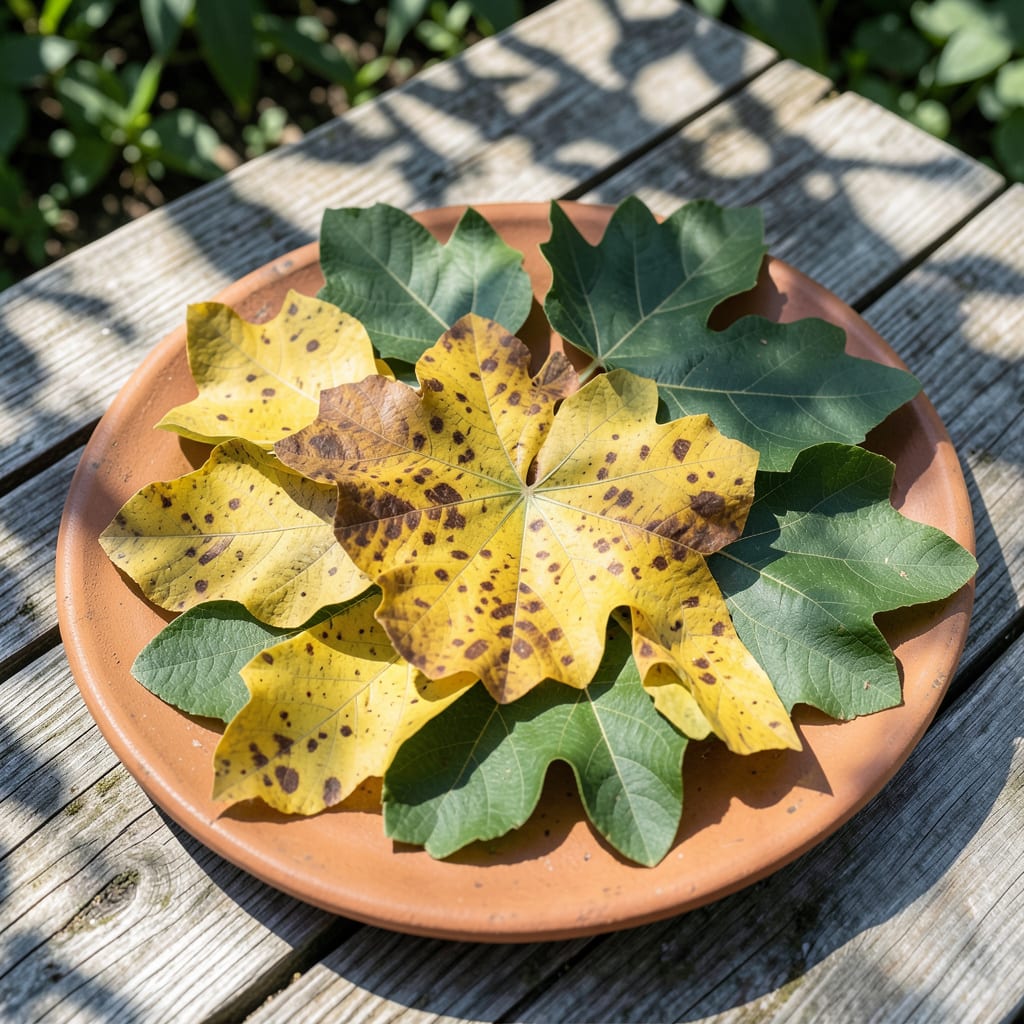
Yellow leaves with brown spots on your fig tree aren’t just unsightly—they’re a distress signal. I’ve seen this exact pattern ruin entire crops if ignored, but the good news is it’s usually fixable with the right diagnosis.
This isn’t random damage. The combination points to specific culprits: fungal infections, nutrient deficiencies, or water stress. Each leaves a slightly different fingerprint on the leaves, and I’ll show you how to spot the difference.
Natural remedies like neem oil, copper sprays, or simple soil amendments can turn things around in 1-2 weeks. The key is acting fast before the problem spreads to the fruit.
Prevention is simpler than cure. A few adjustments to your care routine now will keep your fig tree thriving for seasons to come.
Fig tree leaves turning yellow with brown spots often signal underlying stress. Here are the most common causes, explained in detail:
Both overwatering and underwatering disrupt nutrient uptake. Overwatering suffocates roots, reducing oxygen and causing chlorophyll breakdown (yellowing), while brown spots indicate cellular death from rot. Underwatering leads to drought stress, where leaves scorch (brown) and lose green pigment.
Pathogens like Cercospora or Anthracnose thrive in humid conditions. They release toxins that block water transport, causing yellow halos around brown lesions. Spots often start small and expand, merging into larger necrotic areas.
Sap-sucking pests (e.g., spider mites, scale) pierce leaf cells, draining nutrients. This creates stippled yellowing, while brown spots form from tissue damage or secondary infections entering wounds.
Lack of magnesium (interveinal yellowing) or potassium (brown leaf margins) disrupts photosynthesis. Poor soil pH (outside 6.0–6.5) can lock out these nutrients, even if present.
Excessive sun (scald) or cold drafts cause localized browning. Sudden temperature swings may trigger leaf drop, with yellowing as the tree reallocates nutrients to healthier foliage.
Once you’ve identified the cause, these targeted fixes can nurse your fig tree back to health.
Let the soil dry out completely between waterings. Repot the tree if the current container lacks drainage holes, or amend heavy garden soil with compost and perlite to improve aeration. Water only when the top 2 inches of soil feel dry.
Prevention tip: Use a moisture meter 🌡️ to avoid guesswork, and always empty saucers after watering.
Remove and destroy infected leaves to stop the spread. Apply a copper-based fungicide or a homemade spray of 1 tsp baking soda + 1 quart water + a drop of dish soap. Spray every 7–10 days until new growth is healthy.
Prevention tip: Space plants for airflow and water at the base in the morning so foliage dries quickly.
Blast aphids, mites, or scale off with a strong stream of water. Follow up with neem oil or insecticidal soap, applying in the evening to protect beneficial insects. Repeat every 5–7 days until pests are gone.
Prevention tip: Inspect leaves weekly and encourage natural predators like ladybugs 🐞.
Apply a balanced, slow-release fertilizer (10-10-10) or a specialized fig tree feed. For iron or magnesium shortages, use chelated iron or Epsom salt (1 tbsp per gallon of water) as a foliar spray.
Prevention tip: Test soil every 2–3 years and refresh with organic matter each spring.
Move potted figs to a spot with 6–8 hours of sunlight and protection from harsh winds. Use mulch to regulate soil temperature and retain moisture without waterlogging.
Prevention tip: Acclimate indoor figs gradually when moving them outside to avoid shock.
Yes, overwatering is a common culprit. It suffocates roots, leading to yellowing leaves with brown spots from rot. Check soil moisture before watering—let the top 2 inches dry out first.
A baking soda spray (1 tsp per quart of water) or neem oil can combat fungal infections. Apply weekly until new growth appears healthy.
Inspect leaf undersides for tiny bugs or webbing. Sap-sucking pests cause stippled yellowing and brown spots where they’ve fed.
Low magnesium creates yellowing between veins, while potassium deficiency causes brown leaf edges. A balanced fertilizer often resolves this.
