
Beautiful Plants For Your Interior
Beautiful Plants For Your Interior
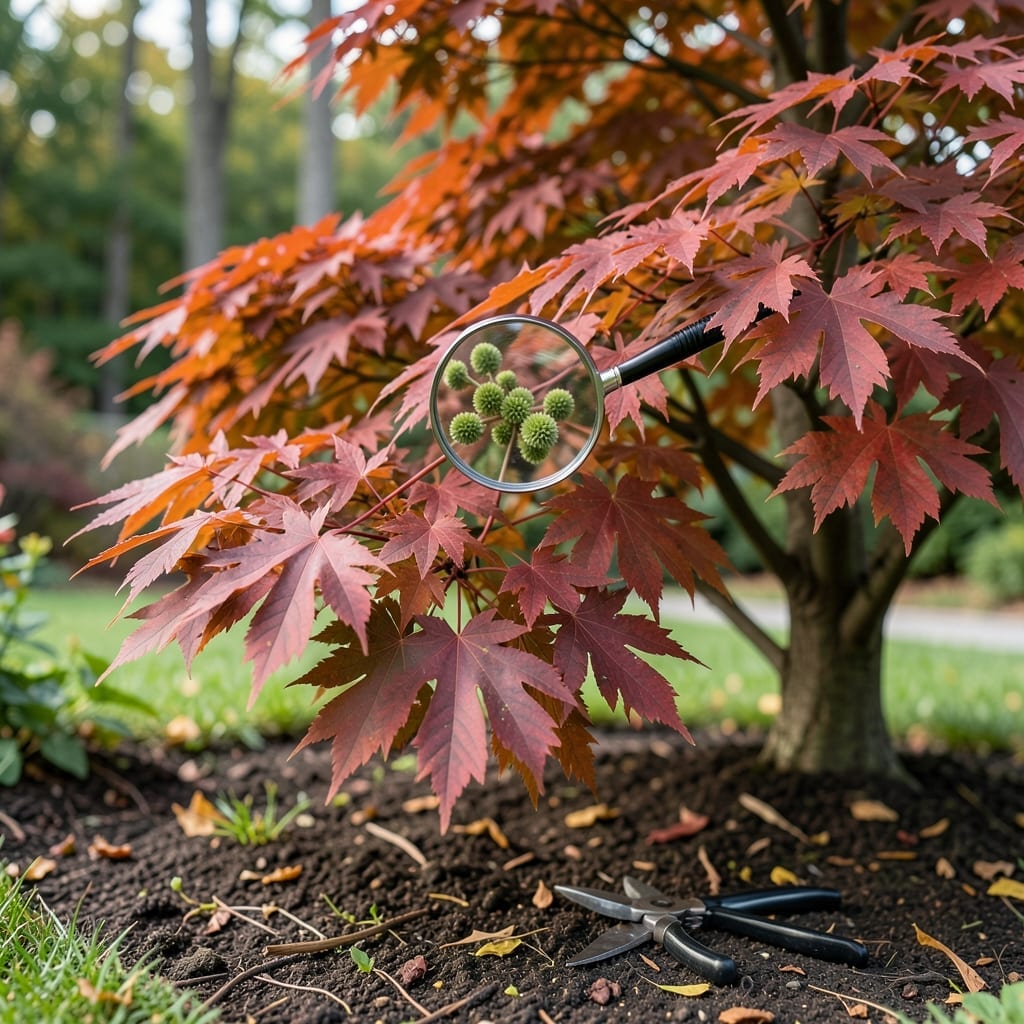
Those strange green bumps on your maple leaves aren’t disease—they’re bladder galls, caused by tiny mites that hijack your tree’s growth for their own tiny nurseries.
I first spotted them on my sugar maple three seasons ago. The leaves looked deformed, but the tree stayed healthy overall. Turns out these galls are more cosmetic nuisance than serious threat, though heavy infestations can weaken young trees.
Here’s the thing—chemical treatments often do more harm than good. The organic approach protects your maple while keeping beneficial insects safe. Timing matters most, as these mites have a very specific life cycle.
With the right strategy, you’ll see normal foliage return by next season. The key is consistency, not complexity. Your maple’s natural defenses will do the rest.
The unsightly maple bladder galls on your tree’s leaves are not caused by disease or poor care—they’re the result of a tiny, highly specialized insect. These deformities form when a minuscule gall mite, Vasates quadripalpis, lays its eggs in the leaf tissue during early spring. The tree reacts to the irritation and the feeding of the developing mites by growing abnormal, bladder-like outgrowths that house and protect the pests. Understanding the cause is the first step in effective gall control.
The primary cause of maple bladder galls is the activity of the Vasates quadripalpis mite. These microscopic creatures overwinter in bark crevices and become active as soon as new leaves emerge in spring. They pierce the leaf surface to feed and lay eggs, triggering the tree’s defensive response: the formation of hollow, pouch-like galls. Each gall can contain dozens of mites.
When the mites feed, they injectsaliva that contains growth-regulating chemicals. This disrupts normal cell development, causing the leaf tissue to expand abnormally and form a gall. The gall serves as both a shelter and a food source for the developing mites, allowing them to complete their life cycle inside the protected environment.
Timing is critical. The mites are most active during the early spring when leaves are young and tender. Once the galls form—usually by late spring or early summer—the mites are already inside, making treatment at this stage ineffective. This is why preventive measures aimed at disrupting the mite’s life cycle before gall formation are essential for control.
Maple bladder galls are unsightly but rarely harm the tree’s health. Still, you’ll want to act to restore your maple’s beauty and prevent future outbreaks. Here’s how to tackle each cause with simple, effective fixes.
If you spot small, green or red galls forming on leaves in spring or early summer, remove and destroy affected foliage immediately. Use clean, sharp pruners to snip off infested leaves and seal them in a plastic bag. Do not compost—this prevents the mites from spreading. Dispose of the bag in the trash to break the life cycle.
For trees with widespread gall coverage, rake and remove all fallen leaves in autumn. These may harbor overwintering mites. Replace mulch under the tree to eliminate hiding spots. This reduces next season’s mite population significantly.
Pro tip 💡: Apply a thin layer of fresh mulch in early spring to suppress emerging mites.
Stressed maples are more susceptible. Improve growing conditions by ensuring proper watering (deep, weekly soaks) and balanced fertilization. Avoid overhead watering, which can encourage mite activity. A healthy tree resists and recovers from infestations faster.
With consistent care and quick action, your maple can stay gall-free and vibrant for years to come.
Early spring, just as leaves emerge, is ideal. Mites are active then, and treatment prevents gall formation. Once galls appear, it’s too late for effective control.
Yes, pruning affected leaves and disposing of them breaks the mite life cycle. Do not compost infested material, as mites can survive and spread.
Avoid chemical pesticides, as they harm beneficial insects. Focus on cultural controls like leaf removal and encouraging natural predators instead.
Generally, no. While unsightly, galls rarely cause serious damage. Young trees or repeated heavy infestations may experience stress, though.