
Beautiful Plants For Your Interior
Beautiful Plants For Your Interior
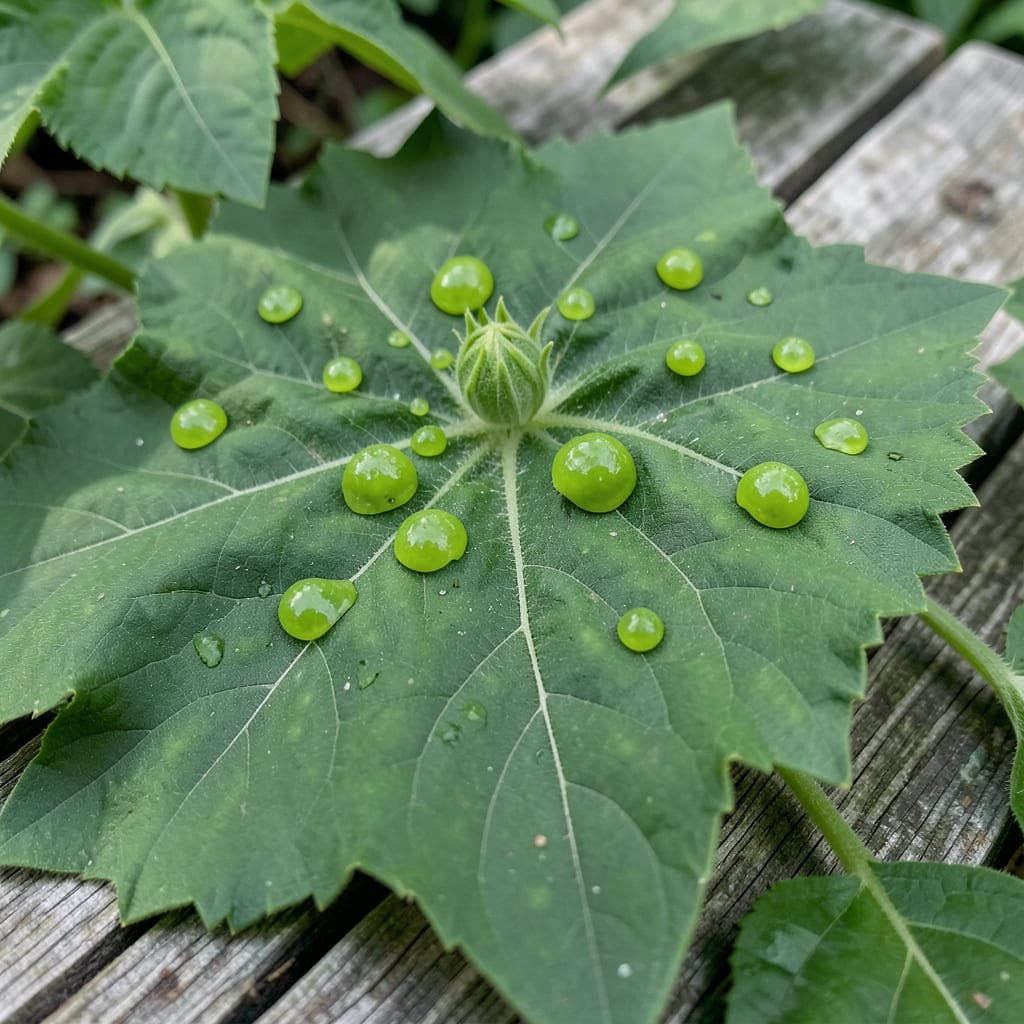
Those green bumps on your black eyed Susan leaves aren’t normal. 🌿 I spotted the same thing in my garden last summer—turns out it’s often a sign of fungal growth taking hold before you even notice the damage.
The issue spreads fast if you don’t act. I learned that early treatment with simple sprays or better airflow can stop it in its tracks. Most gardeners miss the first signs until it’s too late.
You’ll see new growth staying healthy within a week of proper care. The plants bounce back stronger when you catch it early, and the blooms keep coming all season long.
Works for any black eyed Susan variety, whether in beds or containers. Here’s what to do next.
Green bumps on black-eyed Susan leaves are typically a sign of underlying issues, often tied to pests, fungi, or environmental stress. Below are the most common causes, explained with actionable insights.
Fungi like Synchytrium or rust pathogens thrive in moist, humid conditions. They form raised, greenish bumps (galls) as they disrupt leaf cells, often turning yellow or brown over time. Overhead watering or poor air circulation exacerbates these infections. Action: Improve drainage, space plants properly, and apply fungicides labeled for ornamental plants.
Mites, aphids, or scale insects can cause abnormal growths by injecting saliva into leaves, triggering gall formation. These pests often cluster on leaf undersides, creating small green bumps. Action: Inspect leaves regularly, especially the undersides, and treat with insecticidal soap or neem oil at first signs.
Excessive moisture, nutrient imbalances, or physical damage (e.g., from hail or pruning) can stress the plant, leading to abnormal tissue growth. Over-fertilization, particularly with high nitrogen, may also promote unnatural bumps. Action: Maintain consistent watering (avoid soggy soil), use balanced fertilizers, and handle plants gently.
Some black-eyed Susan varieties naturally develop minor leaf galls as part of their growth. However, these are usually uniform and harmless. If bumps appear suddenly or spread, rule out pests or disease first. Action: Monitor for progression; if isolated and stable, no intervention may be needed.
Dealing with green bumps on your Black-Eyed Susan leaves? Here’s how to tackle each cause with simple, effective fixes and prevention tips to keep your plants thriving.
If the bumps are caused by fungal pathogens like Synchytrium:
Prevention tip: 💡 Water at the base of the plant early in the day to allow leaves to dry quickly. Avoid overhead irrigation.
For bumps caused by aphids, mites, or scale insects:
Prevention tip: 🎯 Inspect plants regularly for early signs of pests, especially on the undersides of leaves.
If poor growing conditions are to blame:
Prevention tip: ✨ Rotate plantings yearly to prevent soil-borne diseases from building up.
Yes, if caused by pests or fungi. Isolate affected plants and treat immediately to prevent spreading to healthy ones.
Neem oil works well for fungal issues and pests like aphids or mites. Apply every 7-10 days until bumps disappear. Always follow label instructions.
Excess moisture creates ideal conditions for fungal growth. Ensure proper drainage and water only when the top 1-2 inches of soil are dry.
Remove severely damaged leaves to prevent spreading, but leave mildly affected ones. Monitor closely and treat the underlying cause first.
