
Beautiful Plants For Your Interior
Beautiful Plants For Your Interior
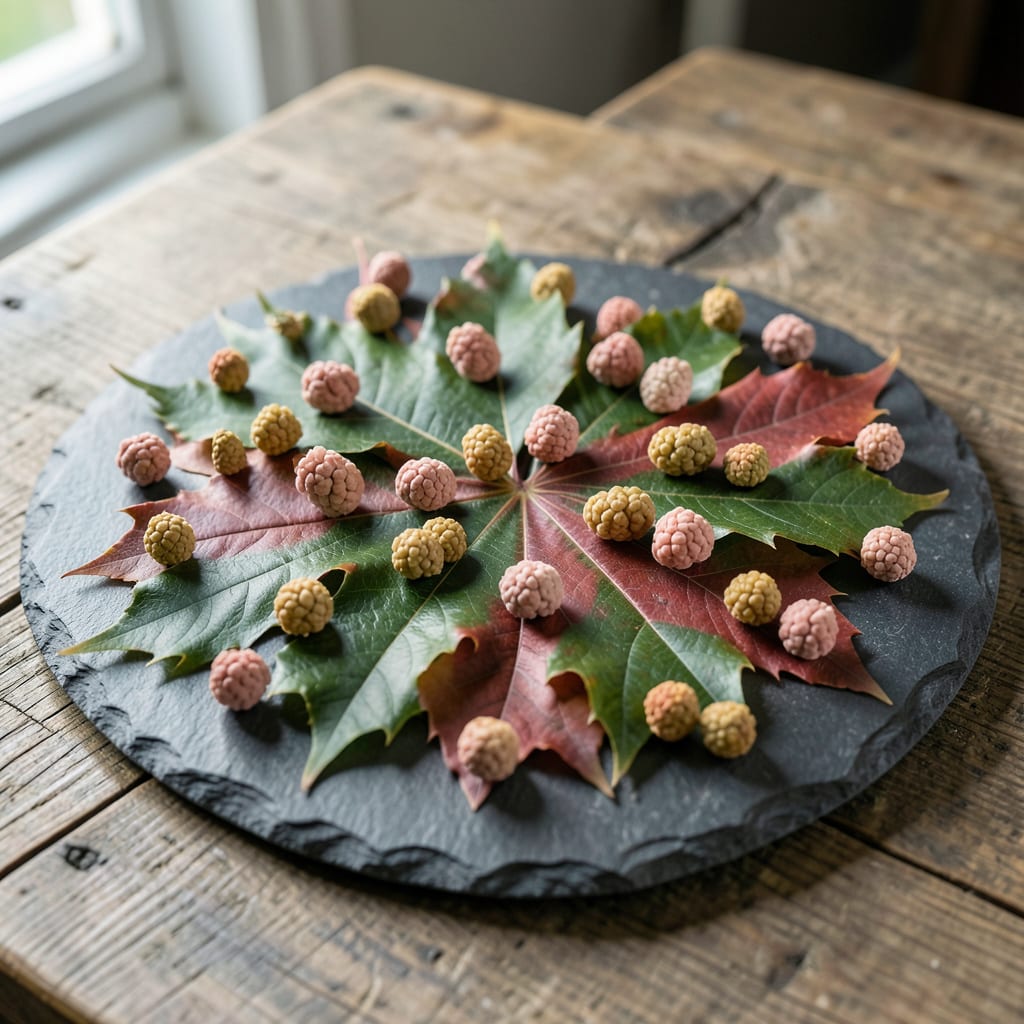
Those ugly bumps on your maple leaves aren’t disease—they’re actually tiny insect nurseries. 🌿 I first noticed them three summers ago and panicked, but these galls are more fascinating than harmful.
Most are caused by microscopic mites or wasps that lay eggs in the leaves. The tree reacts by growing these protective bumps around them. The good news? They rarely hurt mature trees, though heavy infestations can stress young ones.
You won’t need to spray—nature handles most of it. Prune and destroy heavily infested leaves in fall to break the cycle. Beneficial insects like ladybugs will take care of the rest.
For severe cases, a dormant oil spray in early spring stops the adults before they lay eggs. Works for most maple varieties without harming the tree.
Galls on maple leaves are abnormal growths triggered by external organisms. These deformities are the tree’s defensive response to irritation or invasion. Below are the primary causes, each with a distinct mechanism.
Many galls form due to gall-inducing insects, such as mites, aphids, or midges. These pests lay eggs or feed on leaf tissues, injecting chemicals or saliva that disrupt normal cell growth. The tree reacts by forming a gall—a protective, nutrient-rich structure that houses the invader. Common culprits include the maple bladder gall mite (Vasates quadripes) and the maple spindle gall mite (Eriophyes aceris).
Fungi like Taphrina species can also cause galls. These pathogens infect leaf tissues, altering cell division and leading to swollen, distorted growths. Fungal galls often appear as blister-like or pouch-shaped formations, typically on the upper leaf surface. Wet, humid conditions favor fungal spread, making early spring a prime time for infection.
Less common but possible, bacteria such as Pseudomonas syringae can induce gall formation. These microorganisms enter through wounds or natural openings, triggering an overproduction of plant hormones (like auxins and cytokinins). The result is uncontrolled cell proliferation, forming galls that may ooze or develop a water-soaked appearance.
While not a direct cause, environmental stressors (e.g., drought, nutrient deficiencies, or physical damage) can weaken a maple tree, making it more susceptible to gall-inducing pests and pathogens. Stress disrupts the tree’s natural defenses, creating an opportunity for invaders to take hold.
Dealing with galls on maple leaves often starts with identifying the underlying cause. Below are practical solutions tailored to specific issues, along with prevention tips to keep your maple healthy.
If mites or gall-inducing insects like aphids or midges are the culprits, start by pruning and disposing of heavily infested leaves or branches. Use a strong jet of water to dislodge pests from the leaves. For severe cases, apply neem oil or insecticidal soap every 7–10 days until the infestation subsides. Prevention tip: 💡 Encourage beneficial insects like ladybugs, which naturally control pest populations.
Fungal or bacterial galls often require improving air circulation around the tree. Thin out dense foliage and avoid overhead watering to reduce moisture. Apply a copper-based fungicide in early spring or late fall to prevent spores from taking hold. Prevention tip: 🌡️ Always sterilize pruning tools between cuts to avoid spreading pathogens.
If galls stem from stress like drought or poor soil, focus on improving tree health. Water deeply during dry spells, aiming for 1–1.5 inches per week, and mulch around the base to retain moisture. Test soil pH and amend it if necessary—maples prefer slightly acidic to neutral soil (6.0–7.0). Prevention tip: ✨ Regularly fertilize with a balanced, slow-release formula to strengthen the tree’s natural defenses.
Galls caused by wounds or mechanical damage can be minimized by protecting the tree from lawnmowers, trimmers, or harsh weather. Apply a tree guard if needed. Prevention tip: 🎯 Inspect the tree regularly for cracks or injuries, and seal them with horticultural wound dressing.
By addressing the root cause and following these steps, you can reduce galls and help your maple thrive naturally.
Most galls are harmless to mature trees, though heavy infestations can stress young ones. The tree’s growth and health usually remain unaffected.
Treat in early spring with dormant oil spray to target pests before they lay eggs. Remove infested leaves in fall to break the cycle.
Chemical pesticides are rarely needed. Organic options like neem oil or insecticidal soap work well and are safer for beneficial insects.
Encourage beneficial insects, improve air circulation, and maintain tree health with proper watering and fertilizing.
