
Beautiful Plants For Your Interior
Beautiful Plants For Your Interior
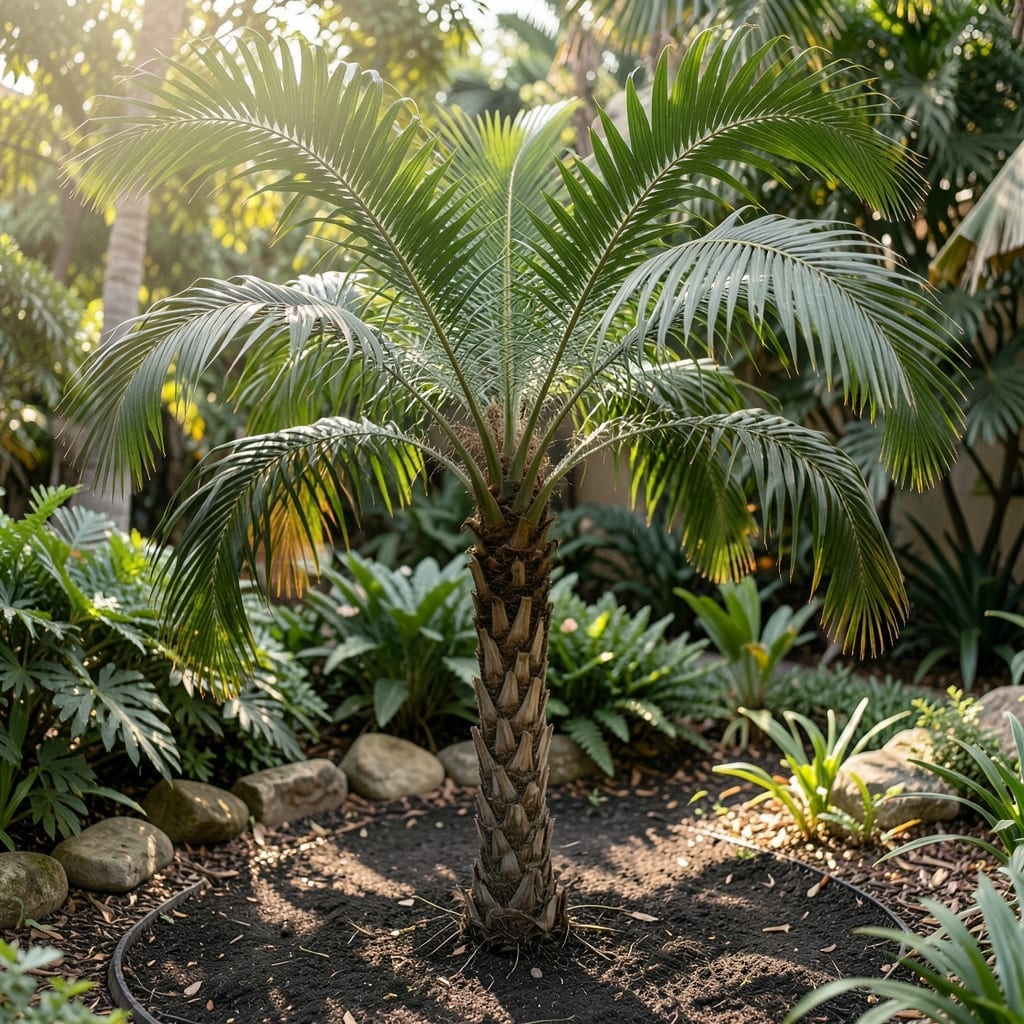
I moved my first majesty palm outside last spring and it exploded with new fronds within weeks. The transformation from sad indoor plant to thriving outdoor specimen was shocking.
These palms love bright, indirect light and consistent moisture, but they hate soggy roots. Get the balance right, and you’ll have a tropical showstopper that turns heads in your landscape.
📚 In This Guide
Here’s the method I use to keep these tropical beauties thriving in my garden year after year.
Majesty palms need bright, indirect light to flourish outside. I’ve found they do best under partial shade, especially in hotter climates where direct sun can scorch their fronds. Look for a spot that gets morning sun and afternoon shade, or filtered light through taller trees.
Soil drainage is critical. Avoid low-lying areas where water pools after rain. The ideal spot has well-draining soil that stays slightly moist but never soggy. If your soil is heavy clay, consider amending it with compost or planting in a raised bed to improve drainage.
Dig a hole that’s twice as wide as the root ball but no deeper. This gives the roots room to spread out without sitting too deep, which can lead to rot. I always loosen the roots gently if they’re circling the container—this encourages outward growth.
Mix the excavated soil with a bit of compost or peat moss to boost fertility and drainage. Place the palm in the hole, ensuring the top of the root ball sits slightly above ground level to prevent water from pooling around the base. Backfill with the amended soil and tamp it down lightly to remove air pockets.
Water the palm deeply right after planting until the soil is thoroughly saturated. For the first 2-3 weeks, keep the soil consistently moist but not waterlogged. I check the soil daily by sticking my finger 1-2 inches deep—if it feels dry, it’s time to water.
Apply a 2-3 inch layer of organic mulch, like wood chips or pine bark, around the base of the palm. This helps retain moisture, regulates soil temperature, and suppresses weeds. Keep the mulch a few inches away from the trunk to prevent rot and pest issues.
Majesty palms thrive in warm, humid conditions and prefer temperatures between 65-85°F. If you’re in a cooler climate, wait until temperatures consistently stay above 55°F before moving them outside. In colder areas, consider growing them in containers so they can be brought indoors during winter.
Fertilize every 2-3 months during the growing season with a balanced, water-soluble fertilizer. I dilute it to half strength to avoid burning the roots. Watch for yellowing fronds, which often signal too much water or not enough nutrients. Remove any brown or damaged leaves promptly to keep the plant looking its best.
Outdoor palms can attract pests like spider mites, mealybugs, or scale. I check the undersides of fronds weekly for early signs of infestation. A strong blast of water can dislodge many pests, but for stubborn cases, I use a mild insecticidal soap.
If the tips of the fronds turn brown, it’s usually a sign of low humidity or underwatering. Adjust your watering schedule or mist the leaves in the morning to increase humidity. In windy areas, consider staking young palms until they establish a strong root system.
Small adjustments in planting and care will keep your palm thriving for years.
The Light Factor: In Step 1, that bright, indirect light is non-negotiable. Direct afternoon sun in hot climates will scorch the fronds faster than you think. I learned this the hard way when my first palm developed crispy, brown tips within a week. Morning sun with afternoon shade or filtered light through trees works best.
Drainage is Everything: The 2-3 weeks of consistent moisture after planting in Step 3 can be tricky. If your soil doesn’t drain well, the roots will rot before they establish. Test your spot by digging a 1-foot hole and filling it with water—if it hasn’t drained in an hour, amend the soil or choose a raised bed.
Temperature Matters: Those 65-85°F ideal temperatures in Step 4 mean you’ll need to act fast when the forecast dips. I’ve lost palms to unexpected cold snaps. If temps drop below 55°F, move container-grown palms indoors immediately. For in-ground plants, cover them with frost cloth overnight.
Pest Prevention: Step 5 mentions weekly frond checks, and here’s why: spider mites love dry conditions. Misting in the morning boosts humidity and deters them. Also, keep that mulch 2-3 inches away from the trunk—pests and rot love cozy, moist hiding spots.
Majesty palms thrive outdoors in USDA zones 10-11, where temperatures stay above 30°F (-1°C). In cooler climates, move them indoors during winter or treat them as annuals.
These palms prefer bright, indirect light or partial shade. Direct, harsh sunlight can scorch their leaves, while deep shade may slow growth.
Well-draining, slightly acidic to neutral soil (pH 6.0-7.5) works best. Mix in compost or perlite to improve drainage and prevent root rot.
Brown leaves often signal underwatering, low humidity, or excessive sun exposure. Check soil moisture and adjust care accordingly.