
Beautiful Plants For Your Interior
Beautiful Plants For Your Interior
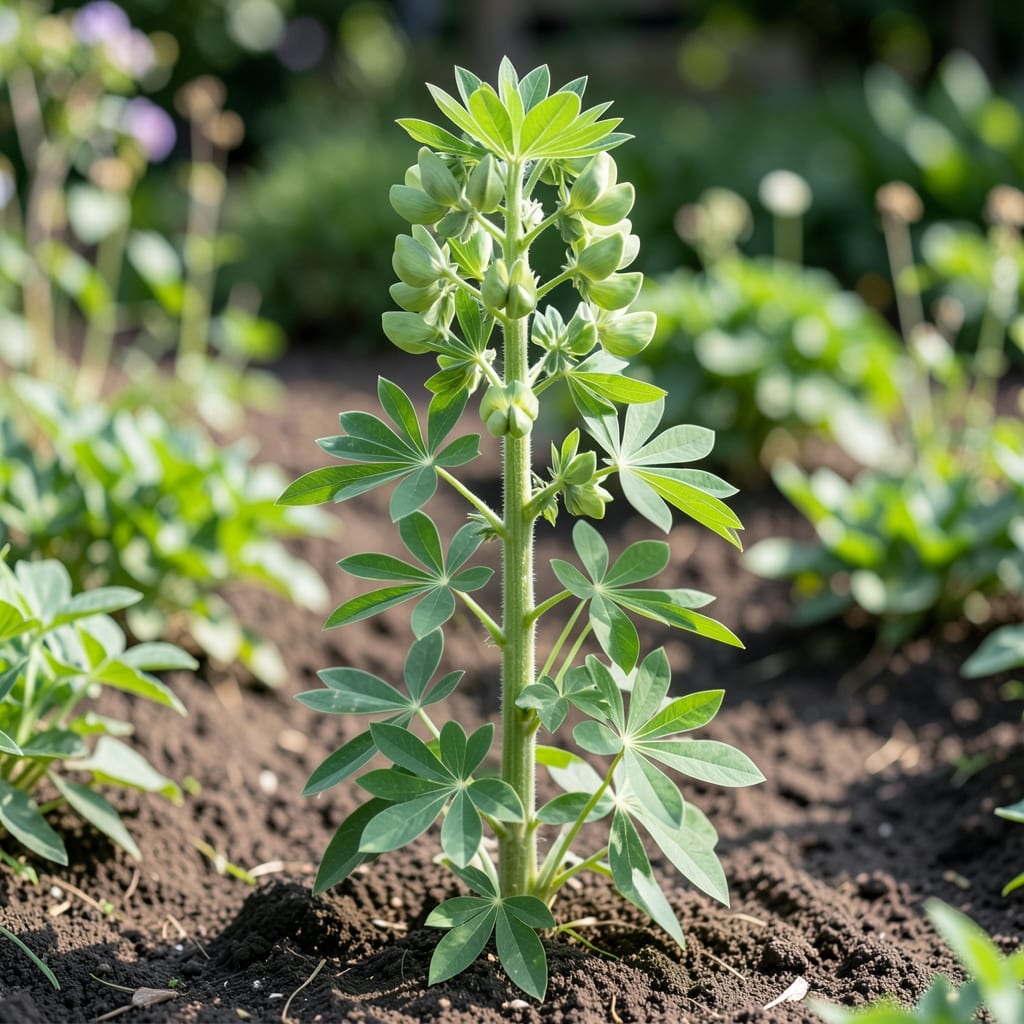
Wilting lupin leaves hit different—like watching your garden’s pride lose its fight. I’ve been there, staring at droopy foliage wondering what went wrong overnight.
Here’s the thing—it’s rarely just one issue. Overwatering, pests, or disease usually team up to take down your plants. The good news? Early signs are easy to spot if you know where to look.
With the right organic fixes, you can revive them faster than you’d think. I’ve brought back near-dead lupins in under a week using simple, natural methods.
No fancy tools, no harsh chemicals. Just smart, plant-first solutions that work with nature, not against it.
Lupin leaves wilting often signals an underlying issue that needs immediate attention. Below are the most common causes, explained with actionable insights.
Lupins require consistent moisture but hate soggy roots. Underwatering causes leaves to droop as the plant conserves water, while overwatering suffocates roots, leading to root rot and wilting. Check soil moisture 1–2 inches deep—dryness means water, but if it’s waterlogged, improve drainage.
Lupins thrive in 60–75°F (15–24°C). Extreme heat scalds leaves, causing wilting, while frost damages cells, leading to limp foliage. Provide afternoon shade in hot climates and mulch to insulate roots from temperature swings.
Aphids, spider mites, and lupin root weevils sap plant vitality, causing leaves to yellow and wilt. Inspect undersides of leaves for pests or sticky residue (honeydew). Treat with neem oil or insecticidal soap for mild infestations.
Pathogens like Fusarium wilt or Phytophthora root rot block water uptake, leading to drooping leaves. Look for blackened stems or moldy soil. Remove infected plants, avoid overhead watering, and apply copper fungicide preventatively.
Lupins need phosphorus and potassium for strong stems. Yellowing leaves with wilting may indicate nitrogen deficiency, while weak growth suggests low potassium. Test soil and amend with compost or balanced organic fertilizer.
If your lupin leaves are wilting, don’t panic—most causes are fixable with quick action. Below are targeted solutions for the most common issues, along with prevention tips to keep your plants thriving long-term.
If the soil is bone-dry, give your lupins a deep soak at the base (avoid wetting the leaves). Water until the top 2–3 inches of soil are moist. For prevention, check soil moisture weekly—stick your finger in the dirt. In hot climates, mulch with organic compost to retain moisture.
Stop watering immediately and let the soil dry out. If the roots are soggy, repot in fresh, well-draining soil mixed with perlite or sand. Ensure pots have drainage holes. Prevention tip: Water only when the top inch of soil is dry, and avoid saucers that trap water.
For aphids or spider mites, blast leaves with water to dislodge them. Apply neem oil spray (1 tsp oil + 1 tsp soap per quart of water) every 5–7 days. Prevent infestations by inspecting leaves weekly and attracting beneficial insects like ladybugs with companion plants (e.g., marigolds).
Remove wilted leaves and treat with a copper-based fungicide or a DIY mix of 1 tbsp baking soda + 1 quart water + a drop of soap. Prevent future outbreaks by spacing plants 12–18 inches apart for airflow and watering at the base (never overhead).
Move potted lupins to a shadier spot during peak heat (11 AM–3 PM). For in-ground plants, use shade cloth. Boost resilience with a layer of mulch to keep roots cool. Pro tip: 🌡️ Water early in the morning to reduce evaporation.
Yellowing + wilting? Test your soil. Lupins prefer slightly acidic to neutral pH (6.0–7.0). Amend with compost or a balanced organic fertilizer (10-10-10). Prevent deficiencies by top-dressing with compost every spring.
Yes, soggy soil suffocates roots and blocks oxygen uptake. Stop watering immediately and let the soil dry out. If roots are mushy, repot in fresh, well-draining soil.
Check undersides of leaves for tiny bugs or sticky residue. Pests cause visible damage, while diseases often show as mold or blackened stems. Treat pests with neem oil, diseases with fungicide.
A 2-3 inch layer of organic mulch keeps roots cool and retains moisture. Apply around the base, but avoid touching the stem to prevent rot.
Check soil 1-2 inches deep weekly. Water when dry, but avoid waterlogging. In hot weather, morning watering reduces evaporation.