
Beautiful Plants For Your Interior
Beautiful Plants For Your Interior
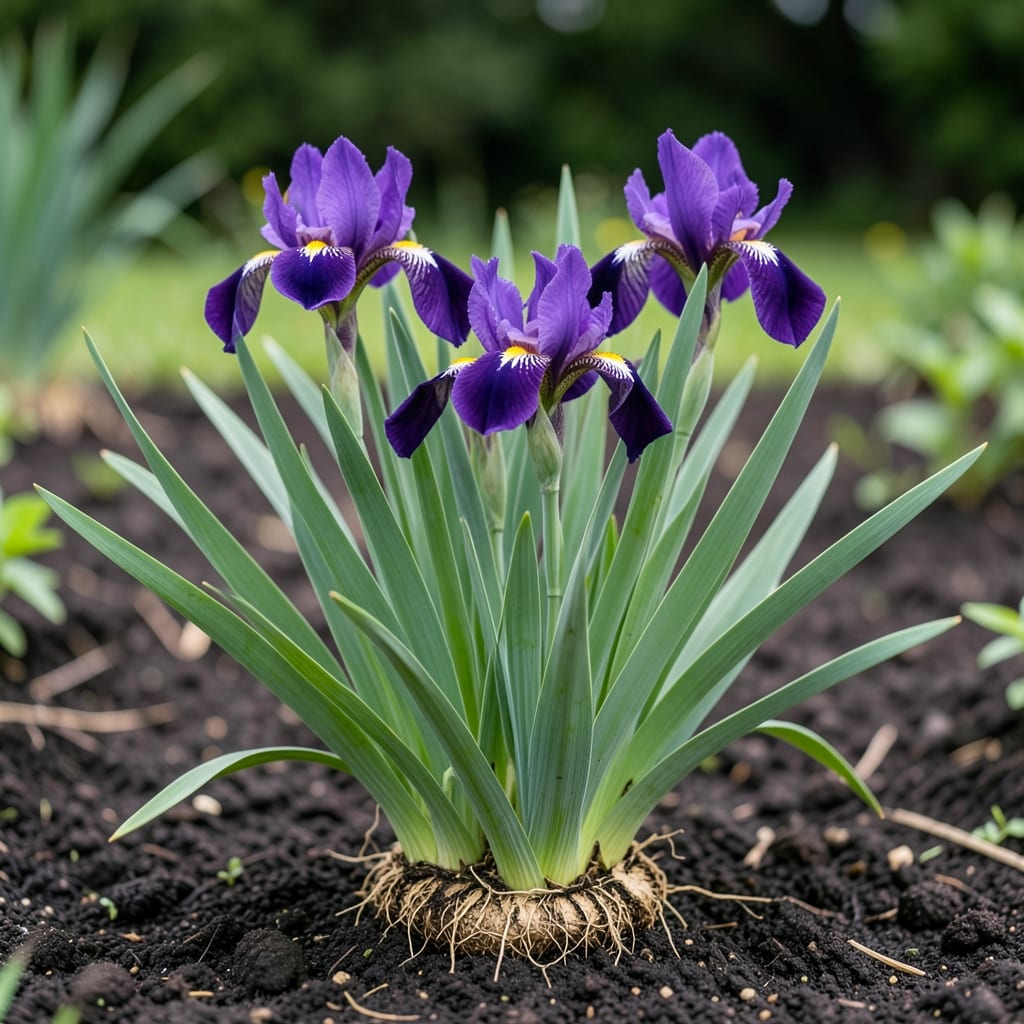
I’ve learned the hard way that Louisiana iris roots hold the secret to thriving plants. These water-loving natives need the right start to establish well in your garden.
With proper root care, you’ll see vibrant blooms and strong growth within the first season. The key is matching their natural swampy habitat conditions as closely as possible.
📚 In This Guide
Here is the professional method I use to ensure vigorous growth and long-term health for your plants.
Choose a location with full sun to partial shade, as Louisiana iris thrives in 6+ hours of direct sunlight but tolerates afternoon shade in hotter climates. The soil should be moist, acidic (pH 5.5-6.5), and rich in organic matter. I always test soil pH first—these plants struggle in alkaline conditions.
Amend the planting area with compost or well-rotted manure to improve fertility and water retention. Work the organic matter into the top 12 inches of soil to create a loose, well-draining bed. Avoid heavy clay unless you’ve modified it significantly, as poor drainage leads to root rot.
Use a sharp spade to carefully lift the entire root clump from its current location. Louisiana iris roots are tough but brittle, so dig wide to avoid cutting through the rhizomes. Shake off excess soil to expose the structure, then look for natural separation points between fans of leaves.
Gently pull or cut the clump into divisions, ensuring each section has 3-5 healthy fans and a portion of the root system. Discard any soft, mushy, or diseased rhizomes immediately—transplanting these will spread problems. I keep a bucket of water nearby to soak roots if they dry out during division.
Dig a hole 6-8 inches deep and wide enough to accommodate the root spread without bending. Place the division in the hole so the top of the rhizome sits just below soil level—burying it too deep encourages rot. Spread the roots outward in a natural position, then backfill with amended soil.
Firm the soil lightly around the base to eliminate air pockets, but don’t compact it. Water thoroughly with 1-2 gallons per plant to settle the soil and hydrate the roots. You’ll see the soil level drop slightly after watering—this is normal and indicates proper settling.
Keep the soil consistently moist but not waterlogged for the first 2-3 weeks after transplanting. This is critical for root establishment. I check daily by pressing my finger 1 inch into the soil—if it feels dry at that depth, it’s time to water.
Apply a 2-inch layer of organic mulch around the plants to retain moisture and suppress weeds, but keep it 3 inches away from the base to prevent stem rot. Avoid fertilizing immediately after transplanting—wait until you see new growth (usually 3-4 weeks) to prevent burning tender roots.
Monitor for wilting or yellowing leaves, which often signal transplant shock. If this occurs, provide temporary shade and ensure consistent moisture until the plant recovers.
Small details make the difference between thriving plants and struggling ones.
Site Selection Insight: In Step 1, don’t overlook the importance of that 6+ hours of direct sunlight. Louisiana iris can tolerate partial shade, but full sun produces the most vibrant blooms. Test your soil pH before planting—these iris absolutely require that 5.5-6.5 acidic range, and amending clay-heavy soil with compost is non-negotiable for proper drainage.
Division Technique: When dividing in Step 2, remember that each section needs 3-5 healthy fans with roots attached. I’ve learned the hard way that cutting rhizomes too small weakens the plant. Keep those roots moist during division—even a short dry spell can stress the plant before it’s replanted.
Planting Depth Precision: Step 3’s 6-8 inch hole depth is critical. Plant too deep and the rhizome will rot; too shallow and it won’t establish properly. The top of the rhizome should sit just below soil level, not buried. Firm the soil gently to eliminate air pockets, but don’t compact—roots need room to spread.
Post-Transplant Care: Those first 2-3 weeks in Step 4 are make-or-break for root establishment. Consistent moisture is key—check that top inch of soil daily. The 2-inch mulch layer helps retain moisture, but keep it back 3 inches from the base to prevent rot. And resist the urge to fertilize until you see new growth, usually after 3-4 weeks.
The ideal time is late summer to early fall, when the plants are dormant. This allows roots to establish before winter. Avoid transplanting during active growth in spring or extreme heat.
Plant roots about 1-2 inches deep, with the rhizome partially exposed. This prevents rot while ensuring stability. Space them 12-18 inches apart for healthy airflow and growth.
Remove and destroy infected roots to prevent spread. Consider resistant varieties like Iris giganticaerulea or treat with fungicides. Always sterilize tools after handling diseased plants.
Lack of sunlight, poor soil, or overcrowding may be the cause. Ensure 6+ hours of sun, well-draining soil, and divide clumps every 3-4 years to encourage blooming.
Yes! They thrive in moist to wet conditions, making them perfect for bog gardens or pond edges. Just ensure the roots aren’t submerged in stagnant water.