
Beautiful Plants For Your Interior
Beautiful Plants For Your Interior
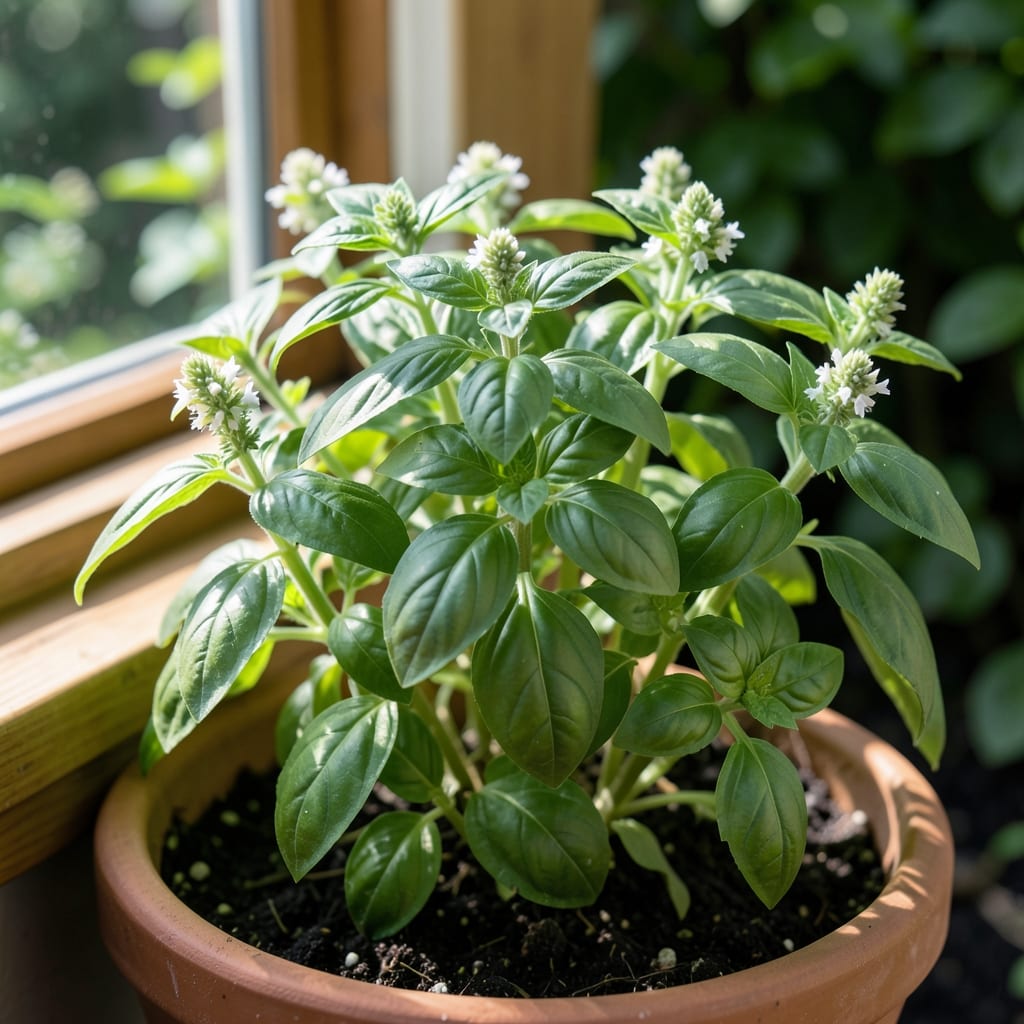
Wilted basil leaves hit me like a gut punch every time. 🌱 I’ve lost count of how many plants I’ve revived after catching the early signs—drooping, yellowing, or limp foliage that looks beyond hope.
Here’s the thing—it’s rarely just one problem. Overwatering, underwatering, pests, or even a sudden temperature swing can trigger this. The good news? Basil recovers fast when you act quickly with the right fixes.
You’ll spot the difference within 24-48 hours of treatment: leaves perk up, stems firm up, and that signature basil fragrance returns. Prevention is simpler than you think—just consistent care and a watchful eye.
Works for potted plants, garden beds, or windowsill herbs. Let’s save those leaves.
Basil leaves wilting is often a sign of stress, and several common factors can trigger this issue. Understanding the root causes helps you address the problem effectively.
Basil thrives in consistently moist but well-drained soil. Too little water causes the leaves to droop as the plant conserves moisture, while overwatering leads to root rot, suffocating the roots and preventing nutrient uptake. Check soil moisture by inserting your finger an inch deep—if it’s dry, water; if soggy, hold off.
Basil is sensitive to cold and heat stress. Temperatures below 50°F (10°C) slow metabolism, causing wilting, while above 90°F (32°C) accelerates water loss through transpiration. Keep plants in a stable 70–80°F (21–27°C) range and provide shade during peak heat.
Root asphyxiation occurs when soil lacks aeration or water pools around roots. Use loamy, well-draining soil and ensure pots have drainage holes. Compacted soil restricts root growth, so loosen the top layer gently to improve airflow.
Sap-sucking pests like aphids, spider mites, or whiteflies weaken basil by draining fluids, leading to wilting. Inspect the undersides of leaves for tiny insects or webbing. Treat with neem oil or insecticidal soap at first signs.
Pathogens such as Fusarium wilt or bacterial leaf spot clog the plant’s vascular system, disrupting water transport. Remove infected leaves immediately and avoid overhead watering to prevent spread. Sterilize tools between cuts to limit contamination.
Don’t panic—your basil can bounce back! Here’s how to tackle the most common causes of wilting with simple, actionable fixes.
If the soil feels dry an inch below the surface, your basil is thirsty. Water deeply at the base until moisture drains from the bottom, but avoid soggy soil. Prevention tip: Check soil moisture daily—basil likes consistently damp (not soaked) conditions. Use a saucer under pots to retain humidity.
Yellowing leaves or a foul smell? Root rot may be the culprit. Stop watering immediately, move the plant to a sunny spot, and let the top 1–2 inches of soil dry out. Trim any black, mushy roots with clean scissors. Prevention tip: Use well-draining soil and pots with drainage holes to avoid waterlogging.
Wilting in scorching sun? Move potted basil to a spot with afternoon shade or use a sheer curtain indoors. For garden plants, mulch around the base to retain moisture. Prevention tip: Basil thrives in 70–85°F (21–29°C)—avoid placing it near heat sources or in direct midday sun during heatwaves.
Check undersides of leaves for aphids or whiteflies. Spray with neem oil or insecticidal soap every 3–5 days until pests vanish. For fungal issues (like downy mildew), remove affected leaves and improve airflow. Prevention tip: Keep leaves dry when watering and space plants apart to reduce humidity buildup.
Pale or weak stems? A balanced liquid fertilizer (10-10-10) diluted to half-strength can help. Apply every 4–6 weeks during growing season. Prevention tip: Refresh potting soil annually—basil is a heavy feeder and depletes nutrients quickly.
With these fixes, your basil should perk up in 24–48 hours! Stay consistent, and your plant will reward you with vibrant, aromatic leaves. 🌿
Water when the top 1 inch of soil feels dry. Basil prefers consistently moist soil, so check daily in hot weather. Avoid waterlogging—ensure pots have drainage holes.
Yes, if the roots are healthy. Trim damaged leaves, adjust watering, and move to a stable 70–80°F environment. Most plants bounce back within 24–48 hours.
Transplant shock is common. Keep the plant in shade for 2–3 days, water lightly, and avoid fertilizing. This reduces stress and helps roots re-establish.
Often yes. Yellow leaves plus soggy soil usually mean root rot. Stop watering, let soil dry, and trim black roots. Prevent with well-draining soil and proper pots.