
Beautiful Plants For Your Interior
Beautiful Plants For Your Interior
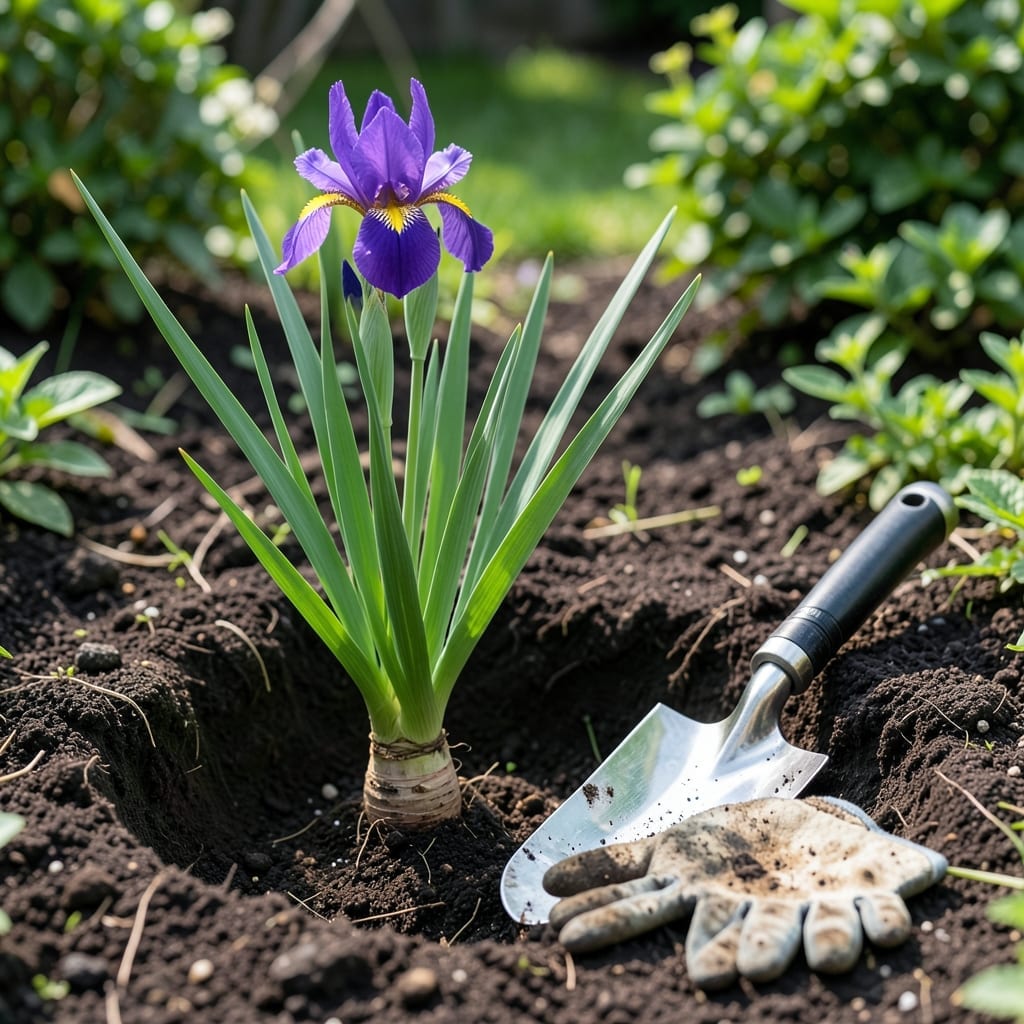
Planting iris rhizomes correctly is the key to vibrant blooms year after year. Unlike bulbs, these horizontal stems need special care to thrive.
Getting the depth and spacing right makes all the difference for your 🌸 Iris. Too deep, and they’ll rot; too shallow, and they’ll struggle.
I’ll walk you through the most important steps to ensure your Iris plants establish strong roots. From soil prep to post-planting care, you’ll learn what works.
Discover how to set up your garden for success with these proven techniques. Your future self will thank you when those first stunning flowers appear.
If you want vibrant iris blooms next spring, timing and technique matter. I always plant my iris rhizomes in late summer to give roots time to establish before winter. This period, from July to September, is ideal for most zones.
The first step is choosing the right location. Iris thrive in full sun with at least 6 hours of direct light daily. They also need well-draining soil to prevent rot, which is their biggest enemy.
I can’t stress enough how important proper depth is. Planting too deep causes rhizome rot, while shallow planting helps the top dry out and stay healthy. Always leave the upper half of the rhizome visible above soil.
For soil preparation, I recommend testing your soil’s pH first. Iris prefer slightly acidic to neutral soil (pH 6.8-7.0). If your soil is heavy clay, amending with sand or compost improves drainage.
After planting, water once thoroughly to settle the soil. Then, resist the urge to water frequently. Iris are drought-tolerant once established, and excess moisture is their downfall. I water mine weekly unless rain provides enough moisture.
If you’re planting multiple rhizomes, consider their mature size. Dwarf varieties need 8-12 inches of space, while standard irises require 18-24 inches. Proper spacing prevents overcrowding and promotes better air circulation.
Finally, mark your planting spots. It’s easy to forget where you’ve placed rhizomes, and accidentally digging into them later can damage your new iris plants. I use small plant markers or stones to keep track.
With these steps, you’ll be rewarded with stunning iris blooms come spring. Remember, the key is in the details: right depth, good drainage, and proper spacing make all the difference. ☀️
Getting the planting depth right is crucial for irises. Unlike bulbs, iris rhizomes should sit partially exposed to sunlight. Bury them too deep, and they’ll rot instead of bloom. I always aim for shallow planting to keep them healthy.
Proper spacing prevents overcrowding. I recommend 12-24 inches apart for most varieties, giving their horizontal stems room to spread. This ensures good air circulation and reduces disease risk. 🌱
| Variety | Depth | Spacing |
|---|---|---|
| Bearded Iris | Top exposed | 12-24 inches |
| Siberian Iris | 1-2 inches deep | 18-24 inches |
| Japanese Iris | 1 inch deep | 24 inches |
For bearded irises, I always plant with the rhizome top visible above soil. This lets the sunlight dry it out, preventing rot. It might look odd at first, but it’s the secret to vibrant blooms.
Siberian irises prefer slightly deeper planting, about 1-2 inches below soil. They still need good drainage to thrive. I’ve found they handle partial shade better than bearded types.
If you’re planting multiple rhizomes, space them 12-24 inches apart to avoid competition. This gives each plant enough room to grow and access sunlight. Overcrowding leads to fewer flowers and more disease.
Remember, well-draining soil is non-negotiable. I mix in compost or sand to improve drainage if my soil is heavy. This simple step can make or break your iris garden. 🌿
Finally, water lightly after planting to settle the soil. Avoid overwatering, as soggy conditions are a death sentence for rhizomes. A little care now means stunning blooms next spring. 🌻