
Beautiful Plants For Your Interior
Beautiful Plants For Your Interior
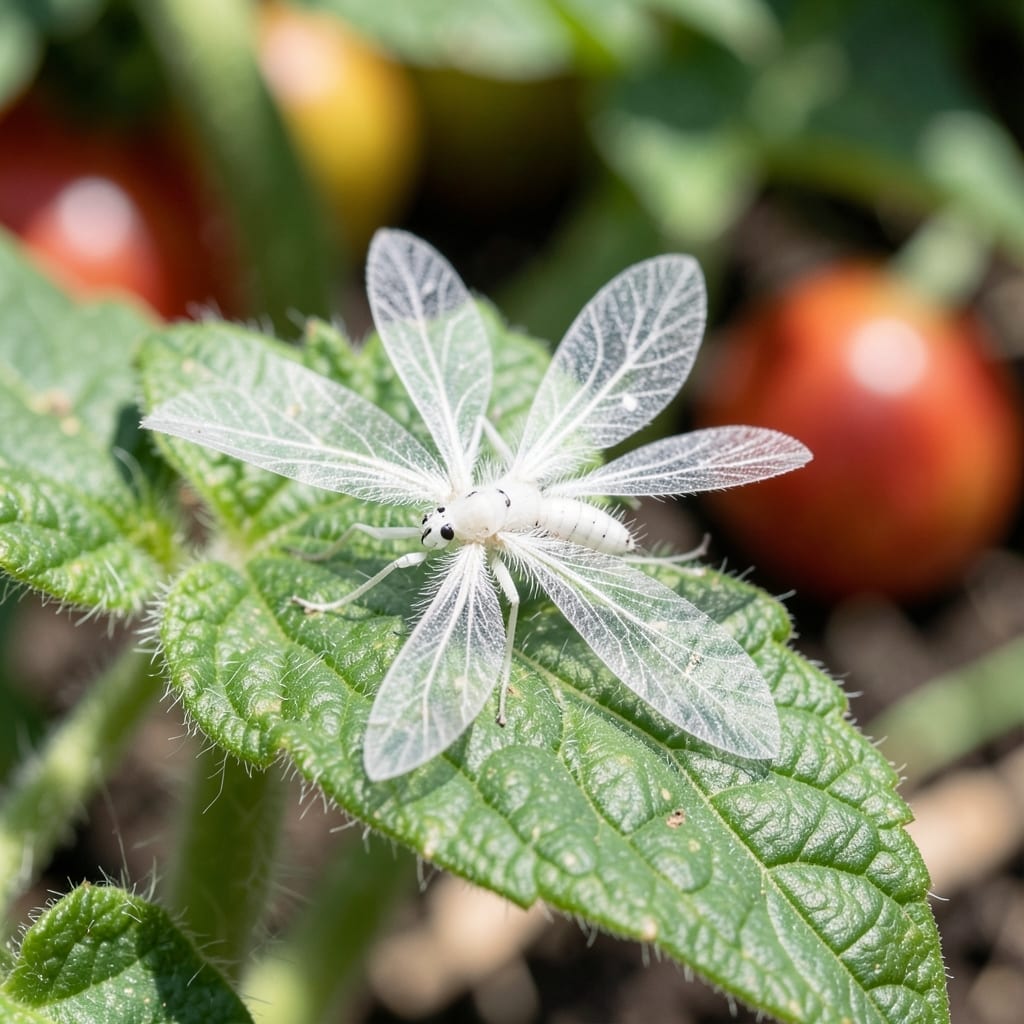
Tiny white clouds above your plants aren’t snow. I first noticed them hovering near my basil last summer, and my stomach dropped when I realized they were multiplying fast.
These pests love soft stems and new growth, and they spread faster than you’d expect. The good news? You can stop them without harsh chemicals. Yellow sticky traps catch adults, while a strong spray of water knocks them off leaves.
Prevention works better than treatment. Avoid overwatering, keep air moving, and inspect new plants before bringing them home. A little vigilance saves weeks of frustration.
Works for houseplants, veggie gardens, and greenhouse setups. Here’s how to reclaim your space.
The presence of tiny white flying insects in your garden or home often stems from environmental or biological triggers. These pests are usually whiteflies, fungus gnats, or aphids, each drawn to specific conditions. Below are the most common causes, broken down for clarity.
Fungus gnats thrive in damp, waterlogged soil, where they lay eggs that hatch into larvae. If your potted plants or garden beds retain excess moisture, these bugs will appear. Action: Allow the top inch of soil to dry between waterings and ensure pots have drainage holes.
Stagnant air traps humidity, creating a breeding ground for whiteflies and aphids. These pests love the still, warm conditions found in greenhouses or densely planted areas. Action: Space plants apart, use fans for airflow, or prune overgrown foliage to disrupt their habitat.
Decaying leaves, uneaten compost, or rotting plant matter attract fungus gnats and other small white bugs. The decomposing material provides food for larvae and shelter for adults. Action: Remove fallen leaves, clear plant debris, and avoid over-fertilizing with organic matter.
New plants from nurseries or outdoor sources may carry hidden pests. Whiteflies and aphids often hitchhike on leaves or stems, spreading to other plants once indoors. Action: Inspect new plants thoroughly and quarantine them for a week before integrating with others.
Whiteflies and fungus gnats flourish in humid environments (above 60% relative humidity). Bathrooms, kitchens, or poorly ventilated gardens are prime spots. Action: Use a dehumidifier or improve ventilation to reduce moisture in the air.
Getting rid of those tiny white floating pests starts with targeting their source. Here’s how to tackle the most common causes and keep them from coming back.
If soggy soil is breeding fungus gnats, let the top inch of soil dry out between waterings. Repot plants in fresh, well-draining soil mixed with perlite or sand. Add a layer of coarse mulch or gravel on top to deter adults from laying eggs. Prevention tip: 💡 Use pots with drainage holes and empty saucers after watering.
Remove decaying leaves, fallen fruit, or compost piles near your plants. These attract whiteflies and other pests. Prune dead foliage and keep garden beds tidy. For indoor plants, clear away old leaves or flowers sitting in water. Prevention tip: ✨ Regularly inspect plants and dispose of debris in sealed bags.
Set up apple cider vinegar traps (mix vinegar, water, and dish soap in a shallow dish) to catch adults. For larvae, water plants with a hydrogen peroxide solution (1 part 3% peroxide to 4 parts water) to kill eggs in the soil. Prevention tip: 🎯 Introduce beneficial nematodes or predatory mites for long-term control.
Check windows, doors, and vents for tiny gaps where bugs sneak in. Install fine mesh screens and seal cracks with caulk. For greenhouses, use sticky traps near entry points. Prevention tip: 🌡️ Maintain good airflow to reduce humidity, which attracts pests.
Consistency is key—combine these fixes with regular monitoring to keep your space bug-free!
Yes, they can damage plants by feeding on sap and spreading diseases. Whiteflies and aphids weaken growth, while fungus gnats target roots in moist soil.
Whiteflies resemble tiny moths and scatter when disturbed. Fungus gnats look like small mosquitoes hovering near soil. Aphids are usually stationary on leaves.
No, they multiply quickly without intervention. Use traps, improve drainage, or apply natural remedies like neem oil to break their life cycle.
Indoor plants can harbor them, especially in humid areas. Check near windows and houseplants. Seal entry points and reduce moisture to prevent spread.