
Beautiful Plants For Your Interior
Beautiful Plants For Your Interior
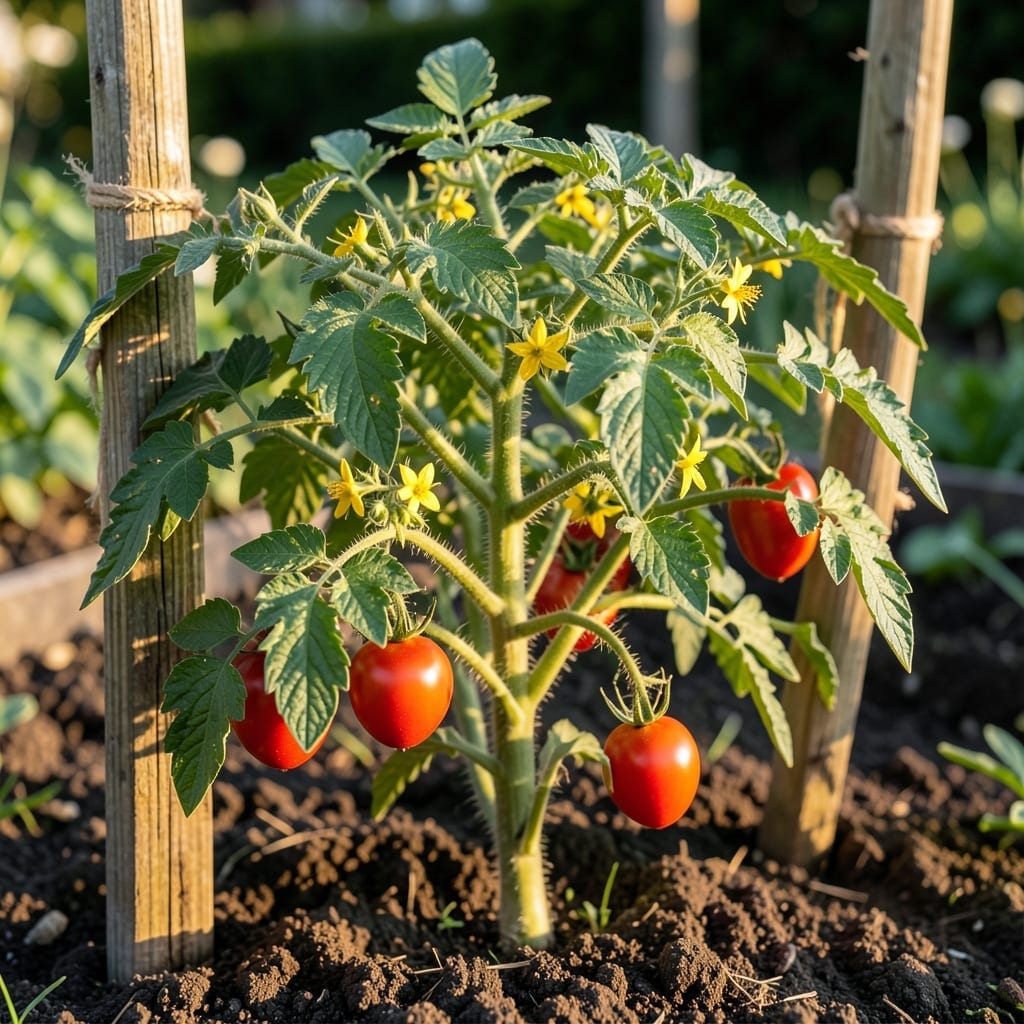
Those white or yellow lines on your tomato leaves aren’t just ugly—they’re a warning sign. I’ve seen entire crops wiped out by ignoring these early symptoms, but catching them fast means you can still save your plants.
Most cases come down to three culprits: viruses spreading through garden tools, sap-sucking pests leaving damage trails, or environmental stress from uneven watering. The good news? Each has a simple organic fix once you identify which one you’re dealing with.
You’ll learn to spot the difference between mosaic virus patterns, aphid feeding damage, and sunburn lines. The solutions range from removing infected plants to adjusting your watering schedule.
Works for heirlooms, cherry tomatoes, and patio varieties alike. Here’s how to diagnose and treat it before it spreads.
Uneven growth patterns in tomatoes often manifest as visible lines, and several key factors contribute to this issue. Below are the primary causes, explained with scientific precision.
Some tomato varieties are naturally prone to developing growth cracks or lines due to their genetic makeup. Heirloom and certain hybrid types, for example, have thinner skin or rapid cell division, making them more susceptible to structural weaknesses. If the lines appear consistently across multiple plants of the same variety, genetics are likely the culprit.
Fluctuations in soil moisture are a leading cause of lines on tomatoes. When plants experience drought stress followed by excessive watering, the fruit expands unevenly. The outer skin stretches and splits, forming raised or indented lines. This is particularly common during periods of heavy rain after a dry spell.
Rapid temperature changes—especially between day and night—can disrupt cellular growth in tomatoes. Heatwaves followed by cool nights cause the fruit to expand and contract irregularly, leading to surface scarring or linear markings. Tomatoes grown in greenhouses or shaded areas are less affected by this issue.
Deficiencies in calcium or boron weaken cell walls, making tomatoes more vulnerable to cracking and line formation. Excess nitrogen, on the other hand, promotes rapid foliage growth at the expense of fruit integrity. A soil test can pinpoint deficiencies, allowing for targeted organic amendments like compost or eggshell powder.
If your tomatoes are showing unsightly lines or streaks, don’t worry—there are simple, organic ways to fix and prevent them. Below are targeted solutions based on the most common causes.
Inconsistent moisture leads to cracking or zigzag lines on the skin. To fix it, deep-water plants at the base (not the leaves) 1–2 times per week, depending on heat. Use mulch (straw or grass clippings) to retain moisture. Prevention tip: 💡 Water early in the morning to reduce evaporation and fungal risks.
Yellow or dark lines may signal calcium or magnesium shortages. Add crushed eggshells or compost to the soil for calcium. For magnesium, mix 1 tablespoon of Epsom salt per gallon of water and spray foliage monthly. Prevention tip: 🌱 Test soil annually and amend with organic matter before planting.
Tiny, irregular lines can stem from pests like aphids or hornworms. Spray plants with a neem oil solution (1 tsp oil + 1 tsp dish soap per quart of water) weekly. Introduce beneficial insects like ladybugs. Prevention tip: 🎯 Rotate crops yearly to disrupt pest cycles.
Fungal or bacterial infections cause dark, sunken lines. Remove affected leaves or fruits immediately. Apply copper fungicide or a baking soda spray (1 tbsp baking soda + 1 tsp oil + 1 gallon water). Prevention tip: ✨ Space plants for airflow and avoid overhead watering.
With these steps, your tomatoes will stay smooth and healthy all season long!
Yes, but it’s reversible if caught early. Deep-watering twice weekly and using mulch can prevent further cracking. Existing lines won’t disappear but new growth will be smooth.
Pest damage creates jagged or wavy trails, often with visible insects. Check undersides of leaves for aphids or tiny holes. A neem oil spray weekly can resolve this.
Calcium strengthens new growth but won’t repair existing damage. Mix crushed eggshells into soil or use a foliar spray for future prevention. It takes 2-3 weeks to see improvement.