
Beautiful Plants For Your Interior
Beautiful Plants For Your Interior
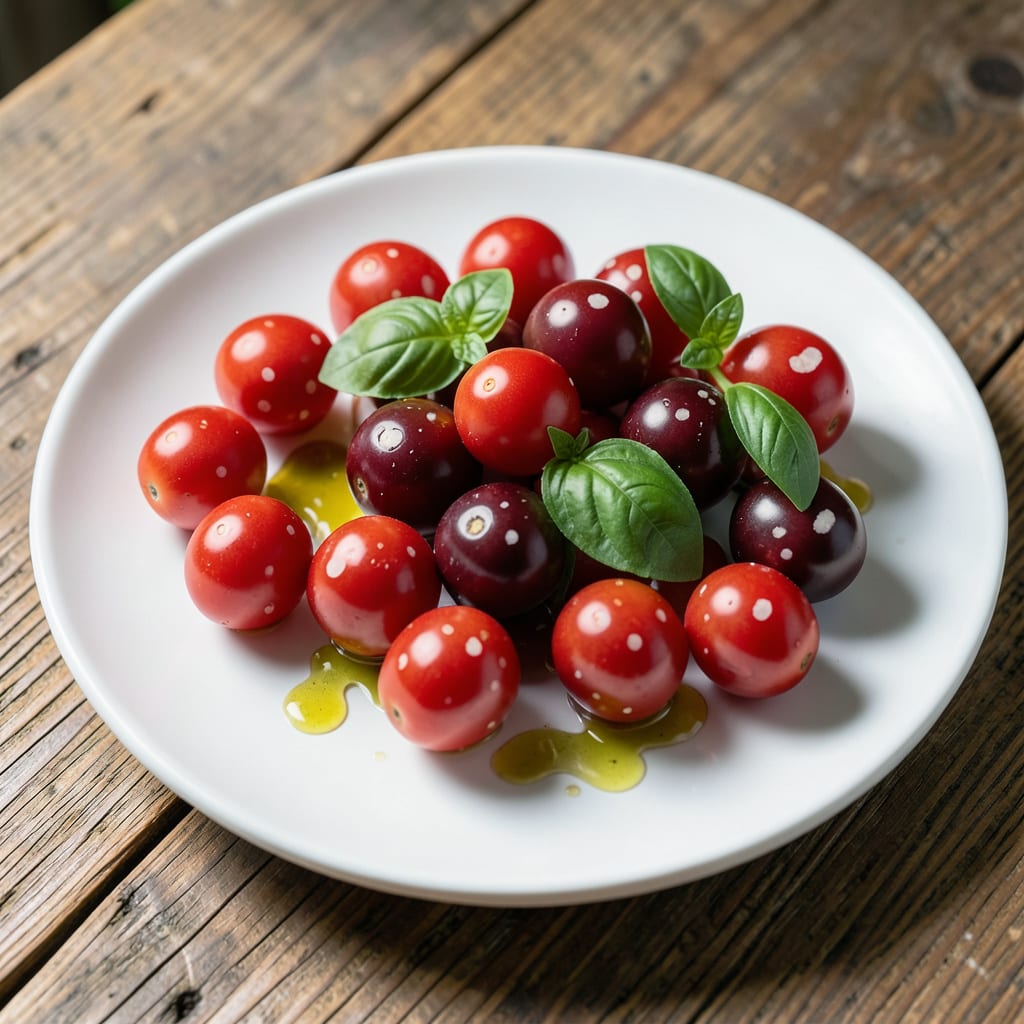
White spots on your cherry tomatoes usually signal a soil problem. I’ve seen this often—pH imbalance or nutrient deficiency throws off the whole plant, starting with those telltale marks.
It’s rarely just one issue. Sometimes it’s powdery mildew, other times it’s calcium or magnesium shortage. The good news? A simple soil test gives you the answer fast.
Fixing it early keeps your plants healthy and productive. Adjusting soil pH or adding the right amendment usually clears it up within 2 weeks.
Prevention is easier than cure. Regular soil checks and consistent watering stop white spots before they start.
White spots on cherry tomatoes often stem from environmental, nutritional, or pathological factors. Below are the most common causes, explained with actionable insights.
Intense sunlight or high temperatures can cause epidermal cell damage, leading to white or yellowish patches on exposed fruit. This happens when tomatoes are directly exposed to extreme UV radiation, especially during heatwaves. Solution: Provide shade cloth (30-50%) during peak sun hours or ensure consistent irrigation to cool the plants.
While blossom end rot typically affects the bottom of tomatoes, calcium imbalances can also manifest as white, leathery spots elsewhere. Uneven watering or soil pH extremes (below 6.0 or above 7.5) inhibit calcium uptake. Solution: Test soil pH and amend with lime (to raise pH) or sulfur (to lower pH). Maintain even moisture with mulch and drip irrigation.
Powdery mildew (Leveillula taurica or Oidium neolycopersici) creates white, powdery spots on leaves and fruit. High humidity (70-90%) and poor air circulation encourage spores. Solution: Prune dense foliage, space plants 18–24 inches apart, and apply neem oil or sulfur-based fungicides preventatively.
Whiteflies and spider mites suck sap from leaves and fruit, leaving behind stippled white spots or webbing. Their honeydew residue can also foster sooty mold. Solution: Introduce beneficial insects (e.g., ladybugs) or spray with insecticidal soap. Check leaf undersides weekly for early signs.
Overuse of chemical sprays—especially copper-based fungicides or glyphosate drift—can cause localized bleaching. Tomatoes are sensitive to foliar applications in high heat. Solution: Apply sprays in the early morning or evening, and always follow label rates. Rinse plants if accidental overspray occurs.
Addressing white spots on cherry tomatoes starts with identifying the root cause. Below are targeted solutions, mapped to common triggers, along with prevention tips to keep your plants thriving.
Remove infected leaves immediately to stop the spread. Spray the plants with a mix of 1 tablespoon baking soda + 1 teaspoon dish soap + 1 gallon of water weekly. For severe cases, use neem oil or sulfur-based fungicides. Prevent it: Space plants 2-3 feet apart, water at the base (not overhead), and prune dense foliage for better airflow.
Add crushed eggshells or a calcium-rich fertilizer to the soil. Keep soil moisture consistent—avoid drought followed by overwatering. Mulch with straw to retain moisture. Prevent it: Test soil pH (aim for 6.0–6.8) and amend with lime if too acidic. Use drip irrigation for steady watering.
Blast pests off with a strong water spray or apply insecticidal soap. Introduce beneficial insects like ladybugs or lacewings. For spider mites, increase humidity with a fine mist. Prevent it: Inspect plants regularly, especially leaf undersides, and rotate crops yearly to disrupt pest cycles.
Use shade cloth (30–50% density) during peak sun hours (10 AM–4 PM). Ensure foliage covers fruit; prune only when necessary. Prevent it: Plant taller crops nearby for natural shading, and avoid over-pruning leaves that protect tomatoes.
If spots persist, test soil for deficiencies. Add a balanced organic fertilizer (10-10-10) or compost. For magnesium deficiency, apply Epsom salt (1 tablespoon per gallon of water) as a foliar spray. Prevent it: Enrich soil with compost before planting and top-dress every 4–6 weeks.
💡 Pro Tip: Rotate tomato crops every 2–3 years to prevent soil-borne diseases and nutrient depletion. Healthy soil = resilient plants!
Spots caused by sunscald or calcium deficiency are safe to eat. However, if powdery mildew or pesticides are the cause, wash thoroughly or discard affected fruit to avoid health risks.
With proper care (like shade cloth or fungicide), you’ll often see improvement in 7-14 days. Consistent watering and soil amendments speed up recovery.
Fungal infections and pests can spread if untreated. Isolate affected plants and treat immediately. Always sanitize pruning tools between cuts.
Yes! Rotate crops, maintain proper spacing, and test soil pH before planting. Mulching and drip irrigation help prevent most common causes.
