
Beautiful Plants For Your Interior
Beautiful Plants For Your Interior
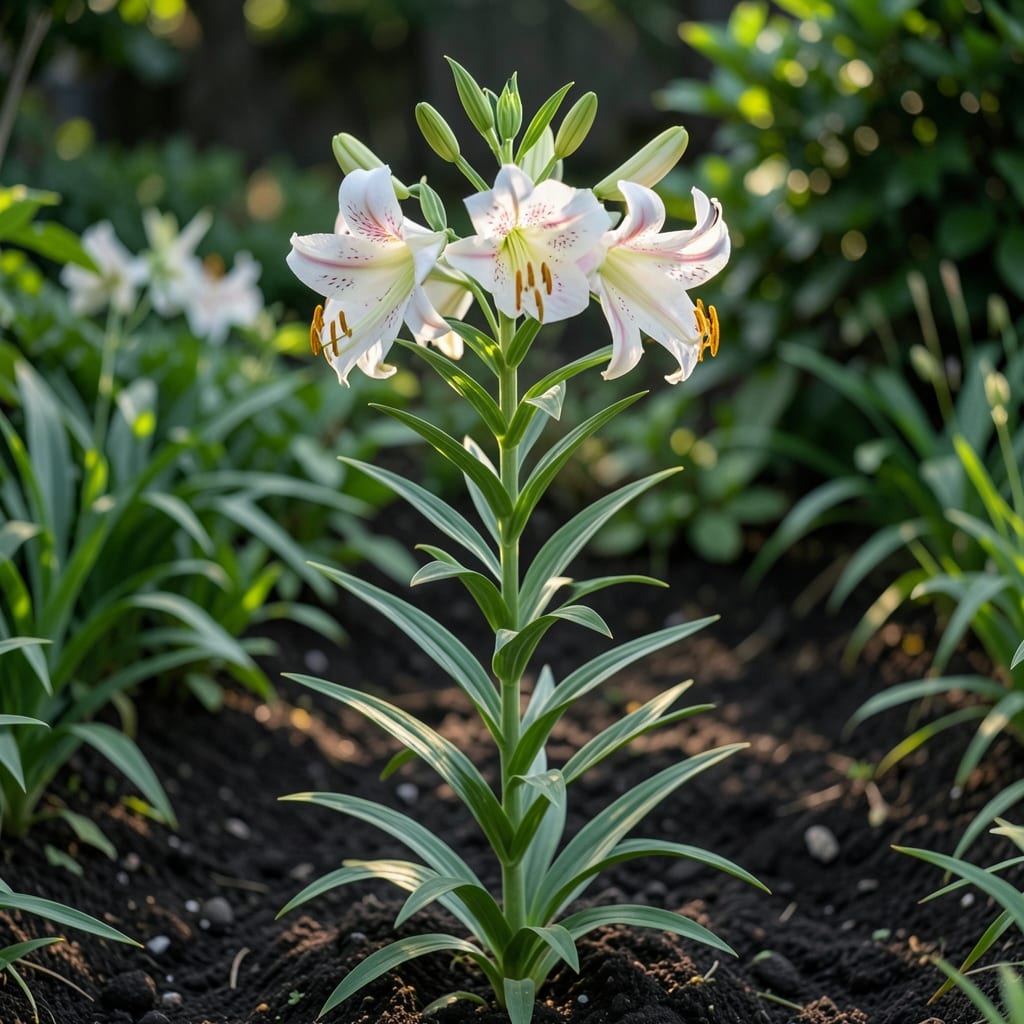
Yellowing lily leaves ruined my first garden display. Turns out, it’s usually overwatering, poor drainage, or a nutrient imbalance—simple fixes once you know what to look for.
I now check soil moisture first, adjust watering, and add compost for a foolproof recovery. Healthy green leaves return within 2-3 weeks with the right care.
📚 In This Guide
Here’s how to diagnose and treat yellowing lily leaves using natural methods I’ve tested in my own garden.
Examine your lily leaves closely to determine the yellowing pattern. If the yellowing starts at the tips and edges, moving inward, it often signals underwatering or nutrient deficiency. I always check the soil moisture first—stick your finger 2 inches deep to feel if it’s dry.
When yellowing appears between the veins while veins stay green, suspect iron deficiency. This is common in lilies growing in alkaline soil. Take note of whether older leaves yellow first (nitrogen deficiency) or if it’s affecting new growth (potential iron or manganese issues).
Use a soil test kit to check pH levels. Lilies prefer slightly acidic to neutral soil (pH 6.0-7.0). If your soil is too alkaline, amend with elemental sulfur or peat moss. I’ve found that working in 2-3 inches of compost annually maintains proper nutrient balance.
For immediate nutrient correction, apply a balanced organic fertilizer. Look for products with equal NPK ratios like 5-5-5. Water thoroughly after application to help nutrients reach the root zone. Avoid over-fertilizing, as this can burn roots and worsen leaf discoloration.
Lilies need consistent moisture but hate soggy roots. Water deeply once or twice weekly, allowing the top 1-2 inches of soil to dry between waterings. I water in the early morning so foliage dries quickly, preventing fungal issues that can cause yellowing.
If your lilies are in containers, ensure pots have drainage holes. I elevate my containers on bricks to prevent water from pooling at the base. Mulch with 2-3 inches of organic matter to retain moisture and regulate soil temperature, which prevents stress-related yellowing.
Inspect leaf undersides for aphids, spider mites, or lily leaf beetles. These pests suck plant juices, causing yellow stippling. I remove pests by hand when possible or use insecticidal soap spray, focusing on undersides where they hide.
For fungal diseases like botrytis, remove affected leaves immediately and improve air circulation. Thin crowded plants and avoid overhead watering. A copper fungicide spray can help, but I prefer preventing issues through proper spacing and morning watering routines.
Ensure your lilies receive 6-8 hours of sunlight daily. In hot climates, afternoon shade protects leaves from scorch. I’ve noticed that lilies in partial shade often have deeper green foliage than those in full, blazing sun.
Divide crowded bulbs every 3-4 years to prevent competition for nutrients. Do this in fall after foliage dies back. Replant the healthiest bulbs with 6 inches of space between them, and you’ll see improved vigor and leaf color the following season.
These insights will help you accurately diagnose and treat yellowing issues in your garden.
The Pattern Matters: In Step 1, when you’re examining the yellowing pattern, pay close attention to whether it’s affecting older leaves first (nitrogen deficiency) or new growth (iron or manganese issues). I’ve found that yellowing between veins with green veins often indicates iron deficiency, especially in alkaline soil conditions.
Soil pH Precision: For Step 2, remember that lilies thrive in soil with a pH of exactly 6.0-7.0. I always test multiple spots in my garden because pH can vary significantly even within a small area. If your soil is too alkaline, amending with elemental sulfur or peat moss can make a noticeable difference within a few weeks.
Watering Wisdom: Step 3’s watering schedule of once or twice weekly works perfectly if you follow the 1-2 inch soil dryness rule. I learned the hard way that watering in the evening can lead to fungal issues, so morning watering is always best. For container lilies, that elevation trick with bricks really does prevent water pooling at the base.
Prevention Over Treatment: In Step 4, I’ve discovered that improving air circulation and avoiding overhead watering prevents most fungal issues before they start. That copper fungicide spray is effective, but proper spacing and morning watering routines are even better at keeping your lily leaves healthy and green.
Yellowing leaves often signal overwatering, poor drainage, or nutrient deficiencies. Check soil moisture and ensure proper drainage to prevent root rot. A balanced fertilizer can also help restore vibrant green leaves.
Yes! Try a neem oil spray for fungal issues or a baking soda solution (1 tsp per liter of water) to combat mild infections. Always test on a small area first to avoid damaging the plant.
Remove yellow leaves as soon as they appear to prevent the spread of disease. Use clean, sharp scissors and prune at the base of the stem. Avoid cutting healthy green foliage.
Consider disease-resistant lily varieties like Stargazer or Casa Blanca. Alternatively, plant companions like daylilies or hostas, which are hardier and less prone to leaf issues.
Ensure well-draining soil, avoid overwatering, and provide partial shade in hot climates. Regularly inspect for pests and apply organic fungicides preventively during the growing season.