
Beautiful Plants For Your Interior
Beautiful Plants For Your Interior
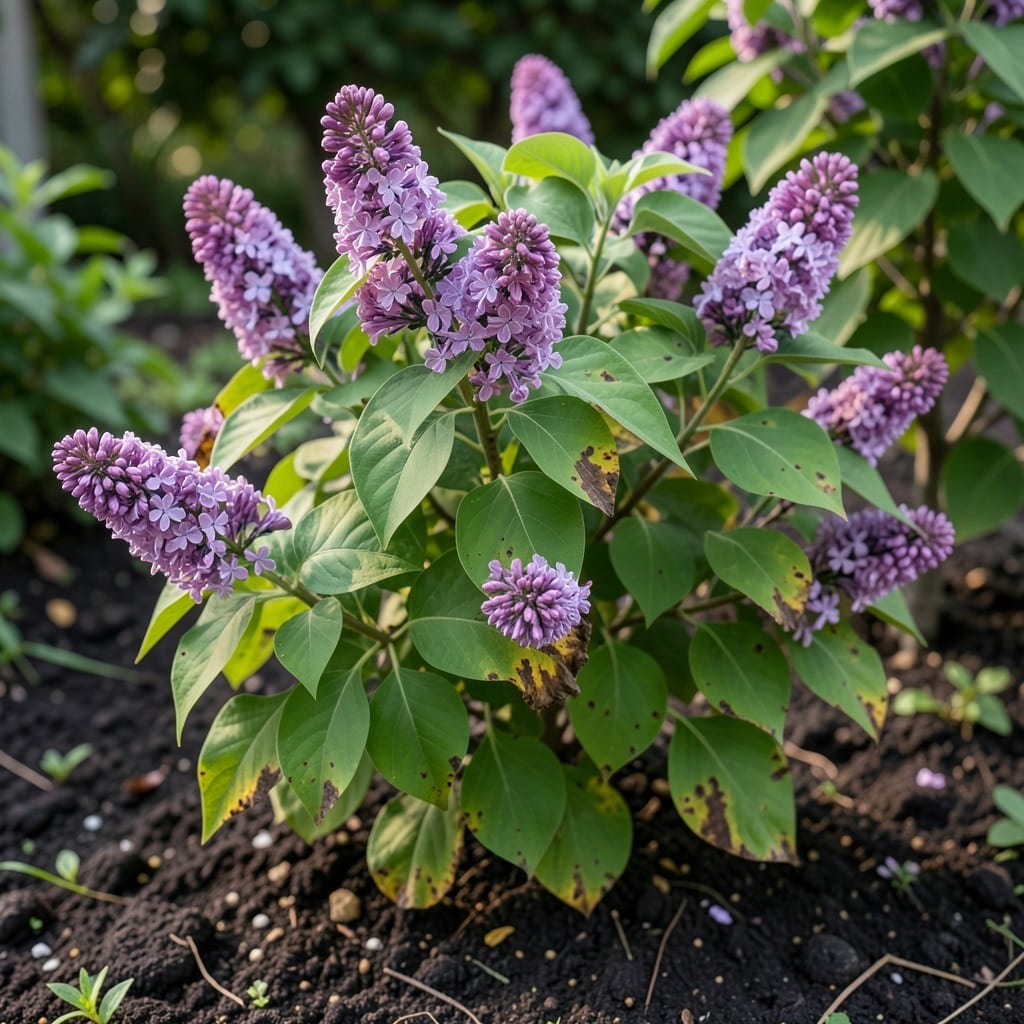
Brown spots on your lilac leaves aren’t just unsightly—they’re a red flag. I’ve seen healthy bushes turn crispy overnight when this fungal issue takes hold, so catching it early is everything.
The first signs are small, dark spots that spread fast, especially after wet springs. Left unchecked, it defoliates plants and weakens next year’s blooms. The good news? Organic solutions work if you act before it spirals.
I’ve saved several lilacs with copper sprays and smart pruning. The key is removing infected leaves immediately and improving airflow around the plant. No fancy tools required—just vigilance and a sharp pair of shears.
Prevention starts with clean garden habits: clear debris, avoid overhead watering, and space plants properly. It’s simpler than you’d think to keep your lilacs thriving and blight-free.
Understanding the root causes of lilac leaf blight helps you prevent it before it spreads. This fungal disease, primarily caused by Pseudocercospora syringae, thrives under specific environmental and cultural conditions. Below are the key factors that create the perfect storm for infection.
Wet foliage is a breeding ground for fungal spores. Prolonged leaf wetness—from frequent rain, overhead irrigation, or high humidity—allows the pathogen to germinate and infect. Lilacs in poorly drained soil or crowded plantings with limited airflow are especially vulnerable, as moisture lingers longer on leaves.
The fungus flourishes in temperatures between 60–75°F (15–24°C), which is why outbreaks often surge in spring and early summer. These conditions accelerate spore production and dispersal, especially when paired with moisture. Cool nights with dew formation can further extend leaf wetness periods.
Dense canopies or overcrowded plantings restrict airflow, trapping humidity around the foliage. This stagnant environment not only prolongs leaf wetness but also hinders natural drying, giving the fungus more time to establish itself. Prune lilacs annually to improve ventilation and reduce infection risk.
The fungus overwinters in fallen leaves, twigs, and other plant debris. If left unremoved, these materials release spores in spring, reinfecting new growth. Sanitation is critical: rake and destroy (do not compost) infected debris to break the disease cycle.
Some lilac cultivars are more prone to blight than others. Older or stressed lilacs, particularly those in the Syringa vulgaris group, often show greater susceptibility. Choosing resistant varieties or maintaining vigorous plant health through proper watering and fertilization can reduce vulnerability.
Tackling lilac leaf blight starts with identifying the cause and applying targeted fixes. Below are practical solutions for common triggers, along with prevention tips to keep your lilacs thriving.
If fungal spots or wilting appear, prune infected leaves and branches immediately using sterilized shears. Dispose of debris far from the plant to avoid reinfection. Apply a copper-based fungicide or neem oil spray every 7–10 days until symptoms fade. Improve airflow by thinning dense foliage to reduce humidity.
Soggy soil breeds blight. Check drainage—amend heavy clay with compost or sand. Water only at the base (avoid wetting leaves) and switch to drip irrigation if possible. Let the top 1–2 inches of soil dry between waterings. 💡 Pro tip: Mulch with bark to retain moisture without oversaturation.
Crowded plants trap moisture, inviting disease. Thin out up to 30% of inner branches to boost ventilation. Plant new lilacs 6–8 feet apart and trim nearby weeds or overgrowth. 💡 Pro tip: Prune in late winter to reduce spring infection risk.
Consistency is key: inspect plants weekly in wet seasons and act at the first sign of trouble.
Look for small, dark brown or purple spots on leaves that grow larger over time. Leaves may yellow, curl, or drop prematurely. Check after rainy periods when symptoms often appear first.
Yes, but only if you act quickly. Prune affected foliage with sterilized tools and dispose of it far from the plant. Combine this with copper fungicide for best results.
Neem oil or baking soda sprays can help mild cases. Mix 1 tablespoon baking soda with 1 gallon water and a drop of dish soap. Apply weekly but avoid using in direct sunlight.
Clean up all fallen leaves in autumn and avoid overhead watering. Space plants 6-8 feet apart for airflow and prune annually in late winter.