
Beautiful Plants For Your Interior
Beautiful Plants For Your Interior
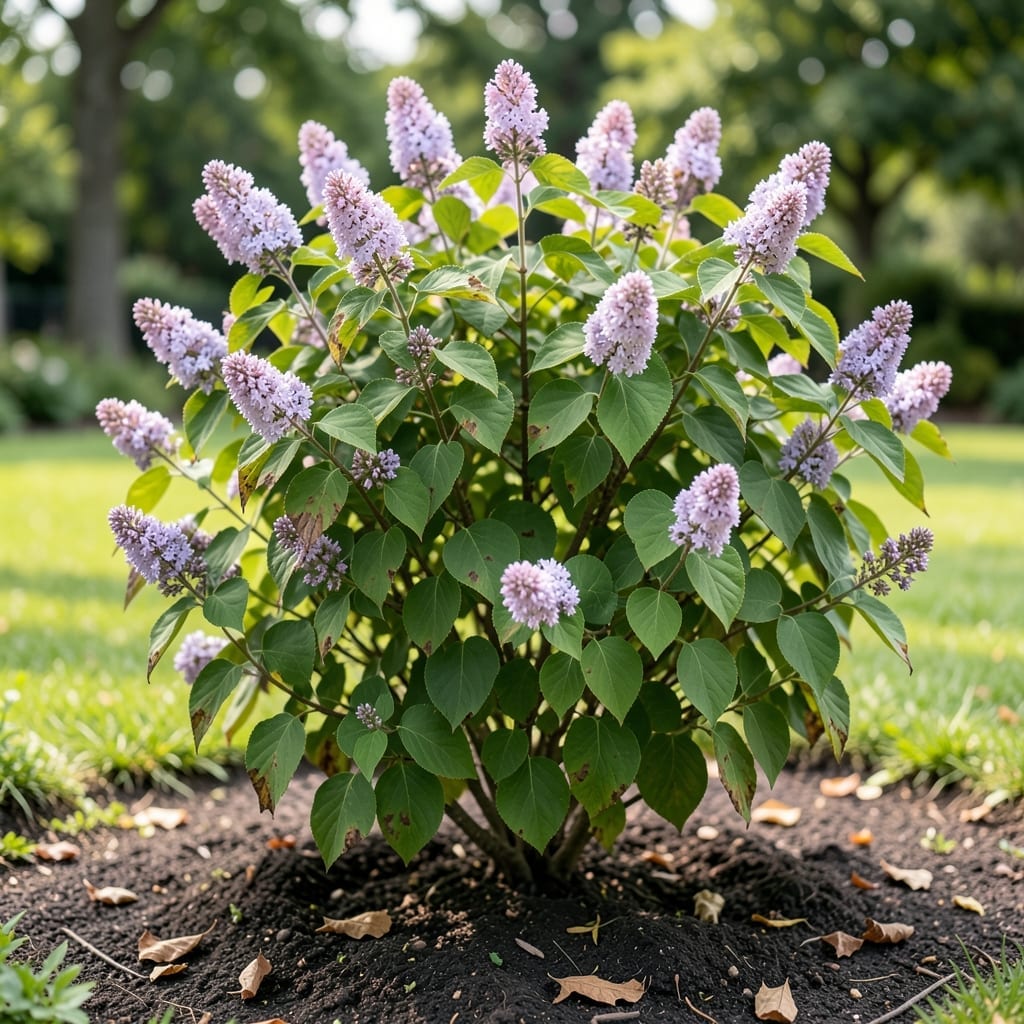
Spotted brown leaves on your lilac last week and panicked. I did too until I realized most causes are fixable if you catch them early.
Usually it’s water stress, fungus, or pests. Each leaves a different pattern—crispy edges mean drought, spots suggest fungus, and holes scream pests. The fix starts with proper ID.
Organic solutions work best here. Adjust watering, improve airflow, or apply neem oil. Your lilac can bounce back in 2-3 weeks with the right care.
Prevention is simpler than cure. Mulch, space plants properly, and inspect leaves weekly. Early action saves the season.
Brown leaves on your lilac shrub are a distress signal, often tied to environmental stress or cultural mismanagement. Below are the most common causes, explained with actionable insights:
Lilacs thrive in temperate climates, and prolonged heatwaves or drought can scorch foliage. When soil moisture drops below 50% of field capacity, the plant conserves water by sacrificing leaves—starting with older growth. Syringa vulgaris (common lilac) is particularly sensitive. Fix: Water deeply (1–2 inches per week) at the base, preferably in the early morning to reduce evaporation.
Soggy roots suffocate, blocking nutrient uptake and causing root rot (e.g., Phytophthora spp.). Symptoms include yellowing leaves that turn brown and crispy. Lilacs prefer well-draining, slightly alkaline soil (pH 6.5–7.5). Fix: Amend heavy clay with compost and ensure pots have drainage holes. Let the top 2 inches of soil dry between waterings.
Pathogens like Cercospora or Pseudopeziza trigger leaf spot diseases, manifesting as brown patches with yellow halos. High humidity and poor air circulation accelerate spread. Fix: Prune infected foliage (sterilize tools with 70% isopropyl alcohol), improve airflow, and apply copper-based fungicides or neem oil preventatively.
Brown edges or interveinal browning often signal potassium (K) or magnesium (Mg) deficiency, while salt burn (from over-fertilizing) causes marginal leaf scorch. Lilacs are heavy feeders but dislike high-nitrogen fertilizers. Fix: Test soil (aim for 10-15 ppm K and 50-100 ppm Mg). Use a balanced organic fertilizer (e.g., 5-10-10) in early spring.
Sap-sucking pests like lilac borers (Podosesia syringae) or scale insects weaken the plant, leading to brown, wilted leaves. Borers tunnel into stems, disrupting water flow. Fix: Inspect stems for tiny holes or sawdust-like frass. Remove infested wood and apply horticultural oil or introduce beneficial nematodes.
Don’t panic if your lilac’s leaves are turning brown—most causes are fixable with a little care. Below are targeted solutions for the most common issues, paired with prevention tips to keep your shrub thriving.
Fix: Stop watering immediately and check the soil. If it’s soggy, improve drainage by amending the soil with compost or sand. For potted lilacs, ensure the container has drainage holes. Trim any black, mushy roots to prevent rot.
Prevention: Water only when the top 1–2 inches of soil are dry. Use a moisture meter for precision. 💡
Fix: Give your lilac a deep watering at the base (avoid wetting the leaves) and mulch around the plant to retain moisture. If the soil is bone-dry, water slowly to let it absorb deeply.
Prevention: Water consistently, especially during dry spells. Early morning watering reduces evaporation. 🌡️
Fix: Inspect leaves for aphids, scale, or borers. Blast pests off with a strong stream of water or apply neem oil (mix 1 tbsp oil + 1 tsp dish soap per gallon of water). For severe cases, use insecticidal soap.
Prevention: Encourage beneficial insects like ladybugs. Keep the area around your lilac clean and debris-free. ✨
Fix: Remove and destroy infected leaves (don’t compost them!). Apply a copper-based fungicide or baking soda spray (1 tbsp baking soda + 1 tsp dish soap per gallon of water). Prune to improve airflow.
Prevention: Avoid overhead watering. Space plants properly and thin out dense foliage. 🎯
Fix: Test your soil (kits are available at garden centers). For yellowing leaves with brown edges (often potassium or magnesium deficiency), amend with compost or a balanced fertilizer (10-10-10).
Prevention: Feed lilacs annually in early spring with a slow-release fertilizer. 🌿
No, once leaves turn brown, they won’t recover. Remove them to help the plant redirect energy to healthy growth. Focus on fixing the underlying issue to prevent new leaves from browning.
Water deeply 1-2 times per week, providing about 1-2 inches of water. Adjust based on weather—more in extreme heat, less in cool or rainy periods. Always check soil moisture first.
Improve airflow by spacing plants properly and pruning dense foliage. Avoid overhead watering and remove fallen leaves promptly. Apply neem oil or copper fungicide as a preventive measure.
Yes, brown leaf edges can indicate salt burn from excess fertilizer. Flush the soil with water to remove built-up salts and reduce fertilizer use. Always follow package instructions.