
Beautiful Plants For Your Interior
Beautiful Plants For Your Interior
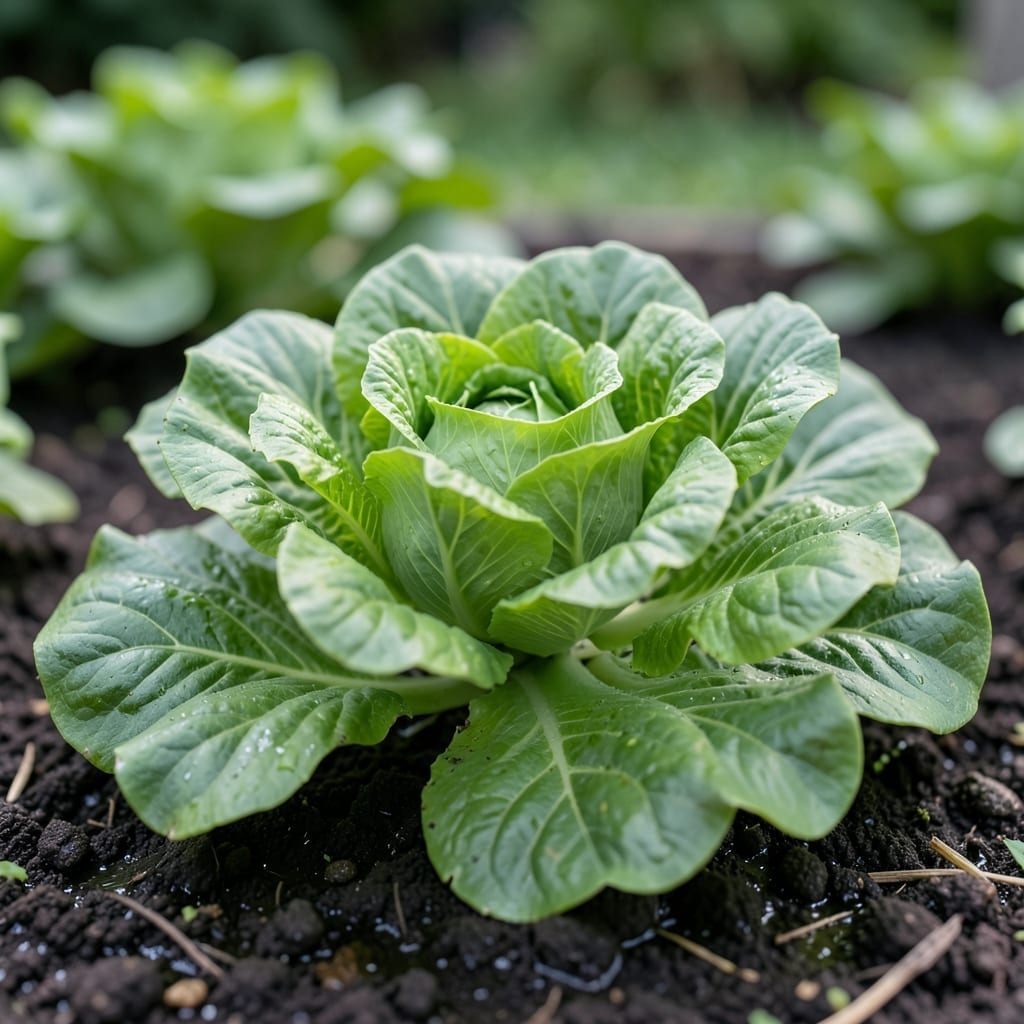
Lettuce stalling out mid-season happens to everyone. I’ve had rows of sad, stunted plants that refused to size up despite my best efforts.
The culprit is usually hiding in plain sight—compacted soil, poor drainage, or missing nutrients. Most gardeners overlook how shallow lettuce roots grow, which means surface conditions matter most.
Fix the foundation and you’ll see transformation within 10-14 days. Leaves plump up, color deepens, and growth accelerates like it’s caught a second wind.
Works for all varieties, from crisphead to looseleaf. Here’s how to turn it around before the season’s over.
When your lettuce refuses to thrive, the culprit often lies in a few key environmental or care-related factors. Here’s why it happens:
Lettuce demands loose, well-draining soil rich in organic matter. Compacted or clay-heavy soil restricts root growth, while sandy soil drains too quickly, starving plants of moisture. A pH between 6.0 and 7.0 is ideal; outside this range, nutrient uptake falters.
Lettuce is 90% water, so drought or overwatering both spell trouble. Irregular watering causes stress, leading to bitter leaves or stunted growth. Aim for 1–1.5 inches of water weekly, keeping soil evenly moist but not soggy.
Lettuce thrives in cool weather (60–70°F). Heat above 80°F triggers bolting (premature flowering), while frost damages tender leaves. Use shade cloth in summer or cold frames in early spring to maintain optimal temps.
Nitrogen deficiency causes yellowing leaves, while a lack of potassium weakens stems. Test soil and amend with compost or a balanced fertilizer (e.g., 10-10-10) before planting.
Pro tip: Avoid high-nitrogen fertilizers late in the season—they promote leafy growth but delay head formation in head lettuce varieties.
If your lettuce is struggling, these targeted fixes can get it back on track. Address the root causes with these practical solutions.
Amend the soil with compost or well-rotted manure to improve fertility. Lettuce thrives in loose, nutrient-rich soil. Test your soil’s pH—lettuce prefers a slightly acidic to neutral range (6.0–7.0). Add lime to raise pH or sulfur to lower it if needed.
Prevention tip: 💡 Rotate crops annually to prevent nutrient depletion and reduce disease buildup.
Lettuce needs consistent moisture but dislikes soggy roots. Water deeply 1–2 inches per week, using drip irrigation or a soaker hose to avoid wetting the leaves (which can invite disease). Mulch around plants to retain moisture.
Prevention tip: 💧 Water in the early morning to reduce evaporation and fungal risks.
If leaves are wilting or turning brown, shade cloth (30–50%) can protect lettuce from intense afternoon sun. Plant in a spot with partial shade or interplant with taller crops like tomatoes for natural shade.
Prevention tip: ✨ Choose heat-tolerant varieties like Romaine or Butterhead for sunnier climates.
Combat aphids, slugs, and snails with neem oil, diatomaceous earth, or beer traps. Handpick pests early to prevent outbreaks. Encourage beneficial insects like ladybugs by planting marigolds or alyssum nearby.
Prevention tip: 🎯 Practice companion planting—lettuce grows well with carrots, radishes, and onions, which repel pests.
Lettuce bolts (goes to seed) in heat. In warm climates, plant in early spring or fall when temperatures are 60–70°F (15–21°C). Use row covers to extend the growing season in cooler months.
Prevention tip: 🌡️ Start seeds indoors or use cold frames for an early start in chilly regions.
Compacted soil or poor drainage often stunts root growth. Lettuce needs loose, well-draining soil to thrive. Test your soil and amend with compost for better results.
Yes! Wilted leaves often recover with consistent watering. Water deeply in the morning and mulch to retain moisture. Avoid overhead watering to prevent disease.
Plant in early spring or fall when temperatures stay between 60–70°F. Use shade cloth in summer or cold frames in cooler months to extend the season.