
Beautiful Plants For Your Interior
Beautiful Plants For Your Interior
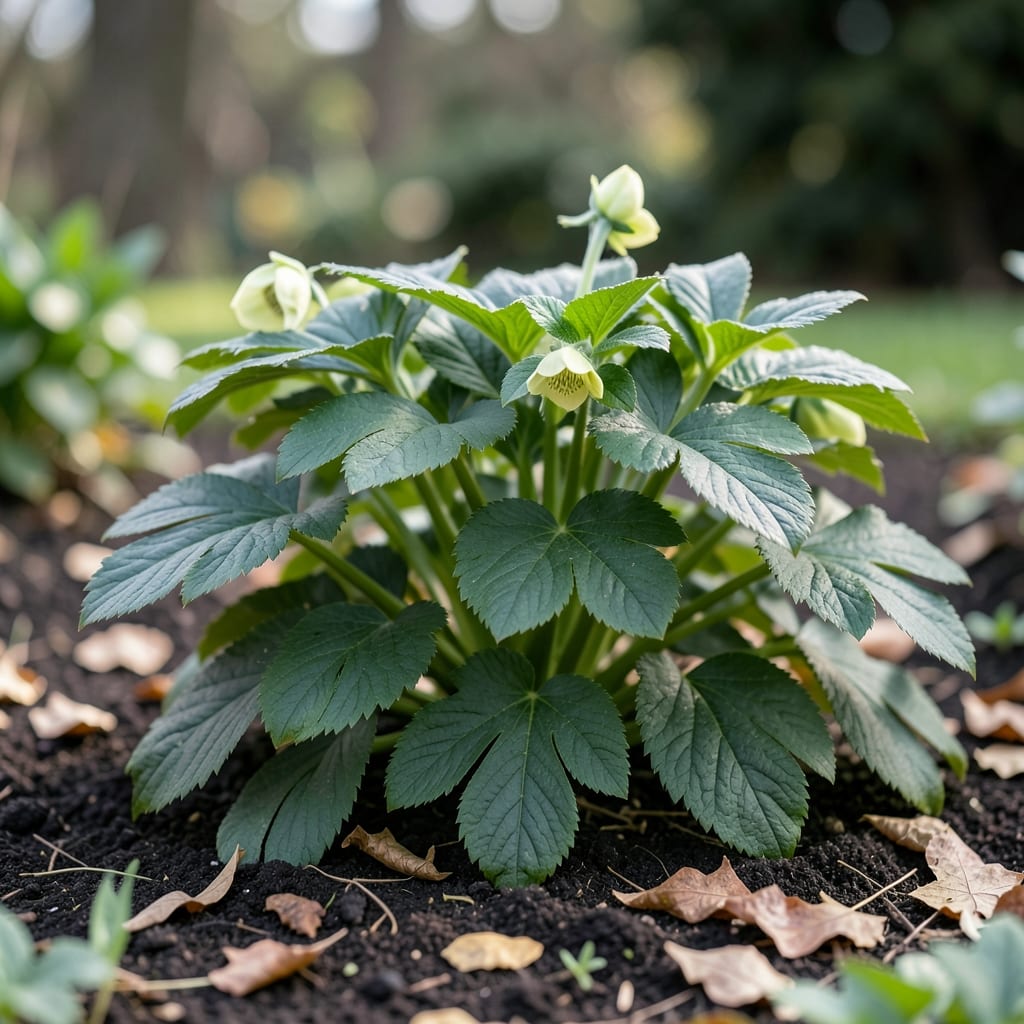
Yellowing leaves on your Lenten rose aren’t a death sentence. I’ve nursed plenty back to health with the right diagnosis.
Most issues show up first in the foliage—spots, curling, or that dreaded blackening. The fix is usually simpler than you think: adjust water, check light, or treat for pests. 30 minutes of troubleshooting can save your plant.
📚 In This Guide
Here’s how I identify and treat the most common issues affecting this hardy perennial.
When lenten rose leaves turn yellow, I first check the pattern. Uniform yellowing across the entire leaf often signals nitrogen deficiency. This is common in early spring when the plant is pushing new growth. Apply a balanced, slow-release fertilizer to restore vigor.
If only the veins remain green while the rest of the leaf yellows, you’re likely dealing with iron chlorosis. This happens in alkaline soils where iron becomes unavailable. I treat it with chelated iron or soil acidifiers. Test your soil pH—lenten roses prefer slightly acidic to neutral (6.0-7.0).
Black spots on lenten rose leaves usually indicate leaf spot fungus. I notice these first on the older, lower leaves during wet springs. Remove affected foliage immediately to prevent spread. Avoid overhead watering, as moisture on leaves creates perfect conditions for fungal growth.
For severe cases, I apply a copper-based fungicide every 7-10 days until the problem clears. Always water at the base of the plant in the morning so leaves have time to dry. Good air circulation is key—space plants 18-24 inches apart and prune any dense growth.
Brown leaf edges often result from winter burn or excessive sun exposure. Lenten roses are shade-tolerant, and their leaves can scorch in full afternoon sun, especially in hotter zones. I move affected plants to a spot with morning sun and afternoon shade.
If the browning appears after a cold snap, it’s likely winter damage. These evergreen plants are tough but not invincible. I trim away the damaged leaves in early spring to make way for new growth. Mulching with 2-3 inches of organic matter helps protect the root zone from temperature swings.
While lenten roses are generally pest-resistant, aphids and scale can occasionally appear. I check the undersides of leaves for clusters of tiny green or black insects. A strong blast of water often dislodges aphids, but for scale, I use horticultural oil applied according to label instructions.
Neem oil works well for both pests if applied in the evening to avoid leaf burn. I reapply every 5-7 days for two to three weeks to break the pest life cycle. Always test any treatment on a small area first to check for sensitivity.
Small adjustments in your care routine can prevent most leaf issues before they start.
Soil pH Precision: In Step 1, the 6.0-7.0 soil pH range isn’t just a suggestion—it’s critical for nutrient uptake. I’ve seen iron chlorosis disappear within weeks after amending alkaline soil with elemental sulfur. Test your soil before treating yellowing leaves, as over-acidifying can create new problems.
Fungal Prevention Timing: The 7-10 day fungicide interval in Step 2 is non-negotiable for breaking the disease cycle. I set calendar reminders because missing even one application can allow leaf spot to rebound. Morning watering is equally important—wet foliage overnight is an open invitation for spores.
Environmental Stress Clues: Step 3’s distinction between winter burn and sun scorch is subtle but vital. Brown edges with crispy texture usually mean sun exposure, while leathery, discolored patches suggest cold damage. I mark affected plants with stakes to track patterns across seasons.
Pest Treatment Discipline: For Step 4, the 5-7 day neem oil reapplication schedule must be maintained for two to three weeks—this is the exact period needed to disrupt all pest life stages. Skipping the final week because symptoms improve is how infestations recur.
Yellowing leaves often signal overwatering or poor drainage. Ensure the soil is well-draining and reduce watering. If the issue persists, check for root rot or nutrient deficiencies.
Prune in late winter or early spring before new growth starts. Remove damaged or diseased leaves to promote healthy regrowth and improve air circulation.
Slugs, snails, and aphids are frequent culprits. Use organic slug pellets or neem oil for aphids. Regularly inspect the undersides of leaves for early signs of infestation.
Lenten roses prefer partial to full shade, especially in hotter climates. Full sun can scorch the leaves, so opt for a spot with dappled sunlight or morning sun only.
Wilting is often due to underwatering or extreme heat. Water deeply and mulch to retain moisture. If the soil is soggy, improve drainage to prevent root suffocation.