
Beautiful Plants For Your Interior
Beautiful Plants For Your Interior
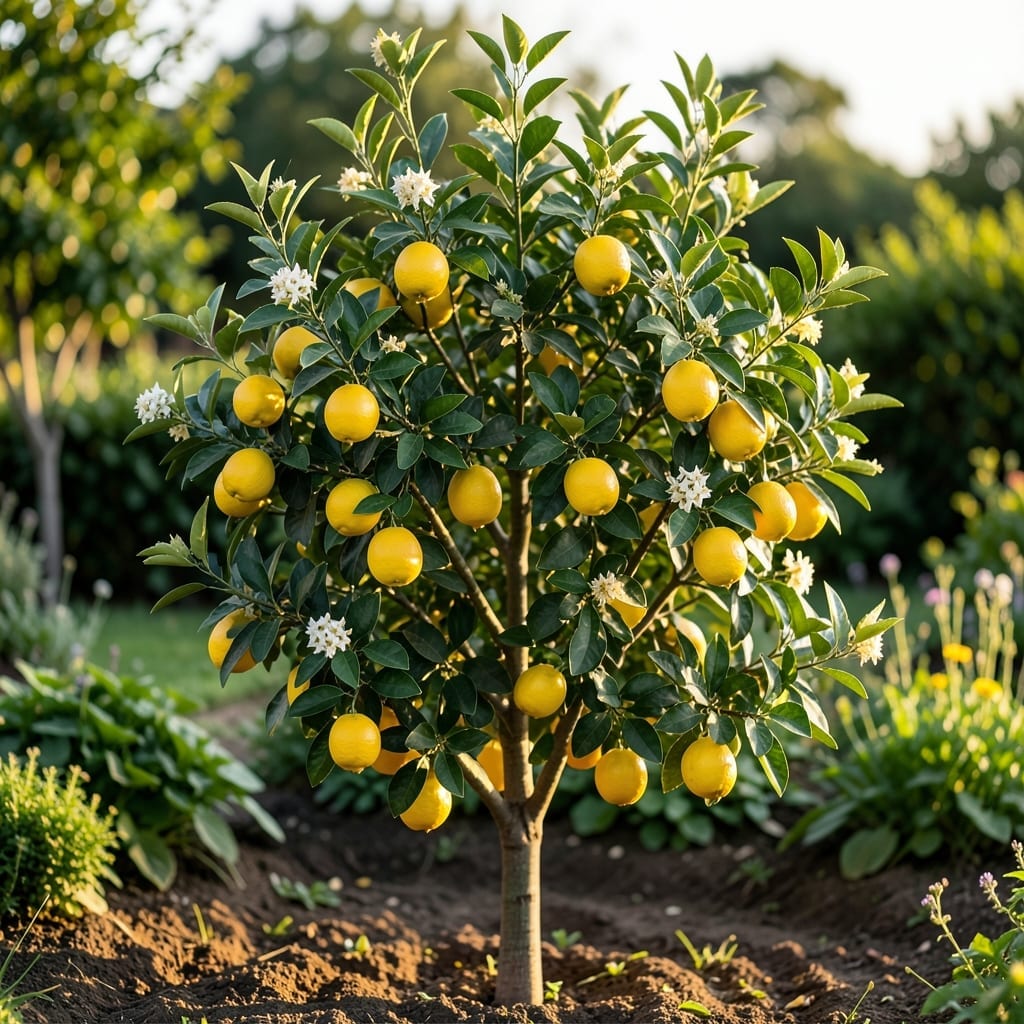
Your lemon tree is sending mixed signals—flowers blooming while leaves drop. This isn’t normal, and I’ve seen it derail entire growing seasons when ignored.
Stress is usually the culprit, whether from too much water, not enough nutrients, or a sudden temperature swing. Even pests or disease can trigger this confusing pattern. The tree prioritizes reproduction over survival, which rarely ends well.
Diagnosing the issue starts with checking soil moisture, inspecting leaves for spots or webbing, and reviewing recent care changes. A few adjustments now can save the season.
With the right fixes, your tree will stop sacrificing foliage for flowers and get back to healthy growth. Let’s figure out which stressor needs attention first.
When your lemon tree sheds leaves but still produces flowers, it’s often a sign of stress or imbalance. Here are the most common causes, explained with actionable insights:
Lemon trees thrive in 60–80°F (15–27°C). Sudden cold snaps, frost, or extreme heat can trigger leaf drop as the tree conserves energy for survival. Flowers may persist because they’re hardier than leaves, but prolonged stress will eventually affect blooms too. Fix: Move potted trees indoors during cold spells or provide shade in scorching weather.
Both overwatering (root rot) and underwatering (drought stress) can cause leaf loss. Overwatered roots suffocate, while parched roots can’t absorb nutrients. Flowers may bloom briefly using stored energy, but the tree prioritizes reproduction over foliage. Fix: Check soil moisture 2 inches deep—water only when dry. Ensure pots have drainage holes.
A lack of nitrogen (yellowing leaves) or magnesium (yellow patches between veins) often leads to leaf drop. Iron deficiency (in alkaline soil) can also cause chlorosis. Flowers may still appear if the tree has enough phosphorus, but weak foliage limits photosyntheses. Fix: Test soil pH (ideal: 6.0–7.0) and amend with citrus-specific fertilizer or Epsom salt (for magnesium).
Spider mites, aphids, or scale sap the tree’s strength, while fungal diseases like root rot or citrus canker damage foliage. Flowers are less affected initially but will decline if the issue persists. Fix: Inspect leaves for pests (use neem oil) and remove infected branches. Improve airflow to prevent fungal growth.
Repotting or moving a lemon tree can stress its roots, leading to temporary leaf drop. Flowers may endure if buds formed before the stress. Fix: Avoid repotting during active growth; water deeply after transplanting to reduce shock.
If your lemon tree is dropping leaves but still flowering, targeted fixes can restore its health. Below are practical solutions for common causes, with prevention tips to keep it thriving.
Let the soil dry slightly between waterings. Stick your finger 2 inches deep—if it’s damp, hold off. Ensure pots have drainage holes, or amend garden soil with sand or perlite. Prevention tip: Use a moisture meter 🌡️ to avoid guesswork.
Deep-water the tree at the base (not leaves) early in the morning. Mulch with wood chips to retain moisture. If temperatures soar above 90°F, provide afternoon shade. Prevention tip: Drip irrigation 💧 delivers consistent moisture without waste.
Spray leaves with neem oil or insecticidal soap, focusing on undersides where pests hide. Remove heavily infested leaves by hand. Prevention tip: Inspect weekly 🔍 and introduce beneficial insects like ladybugs.
Use a balanced citrus fertilizer (e.g., 10-10-10) every 4–6 weeks during growing season. Yellowing leaves often signal nitrogen lack, while purple veins hint at phosphorus deficiency. Prevention tip: Test soil annually 📊 to tailor nutrients.
Cover small trees with frost cloth or move potted ones indoors when temps drop below 30°F. Avoid plastic covers that trap moisture. Prevention tip: Plant near a south-facing wall for warmth.
Limit pruning to dead or diseased branches only. Avoid heavy cuts during flowering. Prevention tip: Prune in late winter ✨ before new growth starts.
Yes! Overwatering can cause root rot, which prevents the tree from absorbing water properly. Check 2 inches below the surface—if it’s damp, hold off on watering. Always use pots with drainage holes.
With prompt action, most trees bounce back within 2-4 weeks. Remove stressed leaves to redirect energy, and ensure consistent care. New growth signals recovery.
Only if the tree is severely stressed. Flowers use energy, but removing them isn’t always necessary. Focus on fixing the root cause first.
Inspect leaf undersides for webbing, sticky residue, or tiny insects. Neem oil or insecticidal soap can treat infestations early.