
Beautiful Plants For Your Interior
Beautiful Plants For Your Interior
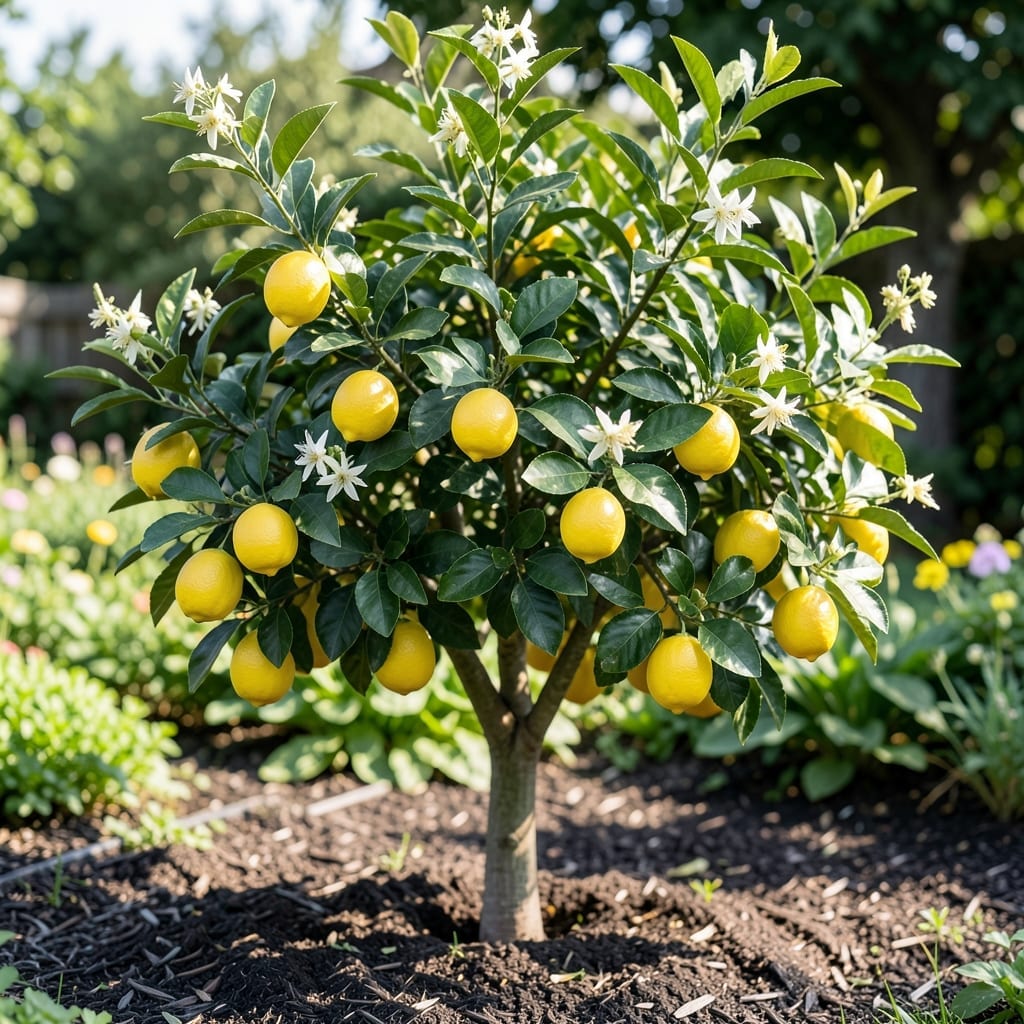
If you’ve ever dreamed of growing your own 🍋 Lemon Tree, understanding temperature needs is your first step to success. These citrus trees love the warmth but have clear limits when it comes to cold.
In zones 9-11, they thrive with proper care, but push them too far in either direction and you’ll see the difference. The right temperature range means the difference between a struggling plant and one bursting with fruit.
Let me show you exactly what conditions your Lemon Tree needs to flourish, from ideal warmth to critical cold thresholds. The answers might surprise you.
Lemon trees are warm-weather lovers that thrive when temperatures stay between 70°F and 100°F. This range supports active growth, abundant flowering, and fruit production throughout the season.
Below 50°F, growth slows significantly, and frost can be deadly. These trees are sensitive to cold, so knowing their limits helps prevent damage and ensures a healthy harvest. ☀️
| Condition | Ideal Range |
|---|---|
| Optimal Growth | 70-100°F |
| Fruiting Range | 75-85°F |
| Minimum Tolerance | 28-30°F (briefly) |
| Frost Damage | Below 28°F |
For best results, keep your lemon tree in full sun where temperatures remain consistently warm. This encourages strong blooms and sweet fruit development.
In cooler climates, consider growing lemon trees in containers. This allows you to move them indoors when temperatures drop below 50°F to avoid stress.
During heatwaves, lemon trees can handle short periods above 100°F, but prolonged extreme heat may cause leaf scorch or fruit drop. Shade cloth can help. 🌡️
Nighttime temperatures should stay above 55°F for optimal health. Cooler nights slow down metabolic processes, which can delay fruit ripening.
If you live in USDA zones 9-11, your lemon tree can thrive year-round outdoors. In marginal zones, like 8, you’ll need to protect it during winter.
Microclimates matter. A south-facing wall or urban heat island can provide extra warmth, extending your growing season by several weeks. 🌳
Remember, young trees are more cold-sensitive than mature ones. Give them extra protection during their first 2-3 years to establish strong roots.
Monitoring local weather and using frost blankets or heat lamps during unexpected cold snaps can save your tree from irreversible damage.
Lemon trees have very low cold tolerance compared to other fruit trees. When temperatures drop to 28°F, you’ll start seeing leaf damage and fruit loss. This is the first critical threshold.
At 25°F or below, the damage becomes severe and often fatal. The tree’s vascular system can freeze, leading to permanent decline or death. Even mature trees rarely survive these temperatures without protection. 🌡️
⚠️ Frost Alert: Lemon trees cannot survive temperatures below 25°F without protection. Leaf damage begins at 28°F, and tree death is likely at 20°F or lower.
Signs of cold stress include yellowing leaves, leaf drop, and blackened branches. If you notice these after a cold snap, act quickly to prune damaged areas and provide warmth.
In USDA zone 8, where winters can dip to 10-20°F, lemon trees need winter protection. Use frost blankets, heat lamps, or move potted trees indoors to a sunny, cool spot.
For zone 7 and colder, growing lemon trees outdoors year-round isn’t feasible. Instead, opt for dwarf varieties in containers that can be moved inside during winter months.
Young lemon trees are especially vulnerable. Their thin bark and developing roots can’t handle cold as well as mature trees. Always protect them when temperatures drop below 32°F. 🌳