
Beautiful Plants For Your Interior
Beautiful Plants For Your Interior
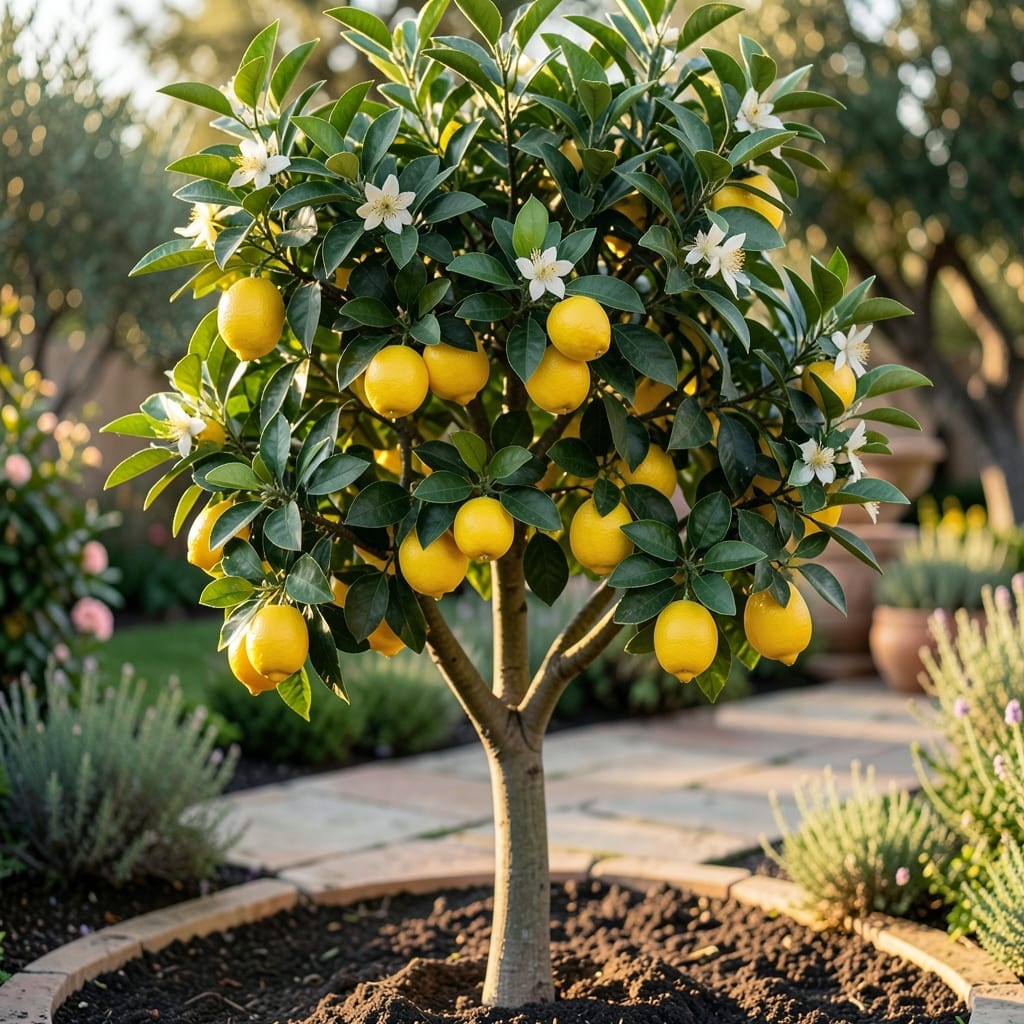
My lemon tree looked like it was giving up on life last spring. 🌿 Leaves dropping daily, bare branches staring back at me—turns out, it wasn’t dead, just desperately thirsty and overfed at the same time.
Here’s the thing—most leaf loss comes from 3 simple issues: too much water, not enough nutrients, or uninvited pests throwing a party. I fixed mine with a moisture meter, balanced fertilizer, and neem oil spray.
Within 2 weeks, new growth started pushing through. The tree perked up, leaves returned, and I got my first harvest that summer. Your tree can bounce back too.
Start with checking the soil—it’s usually the first clue. Fair warning: don’t skip this step (learned that the hard way).
A lemon tree shedding leaves is often a sign of stress or environmental imbalance. Below are the most common causes, explained with actionable insights to help you diagnose the issue.
Lemon trees thrive in 60–70°F (15–21°C) and can suffer leaf drop if exposed to sudden cold snaps (below 32°F/0°C) or excessive heat (above 100°F/38°C). Cold shock disrupts cellular function, while heat stress accelerates water loss, forcing the tree to shed leaves to conserve energy.
Root asphyxiation from overwatering prevents oxygen uptake, leading to yellowing leaves and drop. Conversely, drought stress causes leaves to curl, brown, and fall as the tree prioritizes survival. Check soil moisture 2 inches deep—it should be damp but not soggy.
A lack of nitrogen (pale leaves, slow growth) or magnesium (yellowing between veins) triggers leaf shed. Citrus trees also need zinc, iron, and potassium. Use a citrus-specific fertilizer and test soil pH (ideal: 6.0–7.0).
Spider mites, aphids, or scale suck sap from leaves, weakening the tree. Look for webbing, sticky residue (honeydew), or black sooty mold. Treat with neem oil or insecticidal soap, targeting the undersides of leaves.
Citrus canker (brown, corky lesions) or root rot (foul-smelling, mushy roots) can cause defoliation. Prune infected branches and improve drainage. For canker, copper fungicide may help, but severe cases require removal of the tree.
Repotting or moving a lemon tree disrupts its root system. Expect some leaf drop as it adapts. Reduce stress by watering deeply before/after transplanting and keeping it in partial shade for a week.
Don’t panic—most leaf loss is fixable! Below are the most common causes and their practical solutions, plus tips to keep your lemon tree thriving long-term.
Fix it: Check soil moisture 2 inches deep. If bone-dry, water deeply until it drains from the bottom. If soggy, let it dry out and improve drainage by amending soil with perlite or sand. Water when the top 1-2 inches of soil feel dry.
Prevent it: 💡 Use a moisture meter or the finger test. Mulch with wood chips to retain moisture without waterlogging.
Fix it: Yellowing leaves often signal a lack of nitrogen, magnesium, or iron. Apply a citrus-specific fertilizer (high in nitrogen) or Epsom salt (for magnesium). For iron, use chelated iron spray.
Prevent it: 🎯 Feed your tree every 4-6 weeks during growing season (spring to fall). Test soil pH (ideal: 6.0–7.0) and adjust if needed.
Fix it: Inspect leaves (top and bottom) for aphids, scale, or spider mites. Blast them off with water or use neem oil or insecticidal soap. For fungal issues (like root rot), prune affected roots and repot in fresh, sterile soil.
Prevent it: ✨ Encourage beneficial insects (like ladybugs) and avoid overhead watering to reduce fungus risk.
Fix it: Move potted trees indoors or to a sheltered spot if temps drop below 50°F (10°C). For heat stress, provide afternoon shade and mist leaves in extreme heat.
Prevent it: 🌡️ Acclimate trees gradually to temperature changes. Use frost cloth in winter if outdoors.
Fix it: If leaves drop after pruning, avoid further cuts until the tree recovers. For transplant shock, trim only 1/3 of the foliage to reduce stress and water consistently.
Prevent it: Prune in late winter before new growth starts, and transplant in early spring or fall.
Water deeply once or twice a week, allowing the top 1-2 inches of soil to dry between waterings. Adjust based on weather—more in heat, less in cool periods.
Once leaves yellow due to nutrient deficiency, they typically won’t recover. Focus on correcting the issue (e.g., add magnesium or nitrogen) to support new growth.
Use a citrus-specific fertilizer with balanced nitrogen, phosphorus, and potassium. Apply every 4-6 weeks during the growing season for optimal health.
Check for foul-smelling, mushy roots and yellowing leaves. If confirmed, prune affected roots, improve drainage, and repot in fresh soil.