
Beautiful Plants For Your Interior
Beautiful Plants For Your Interior
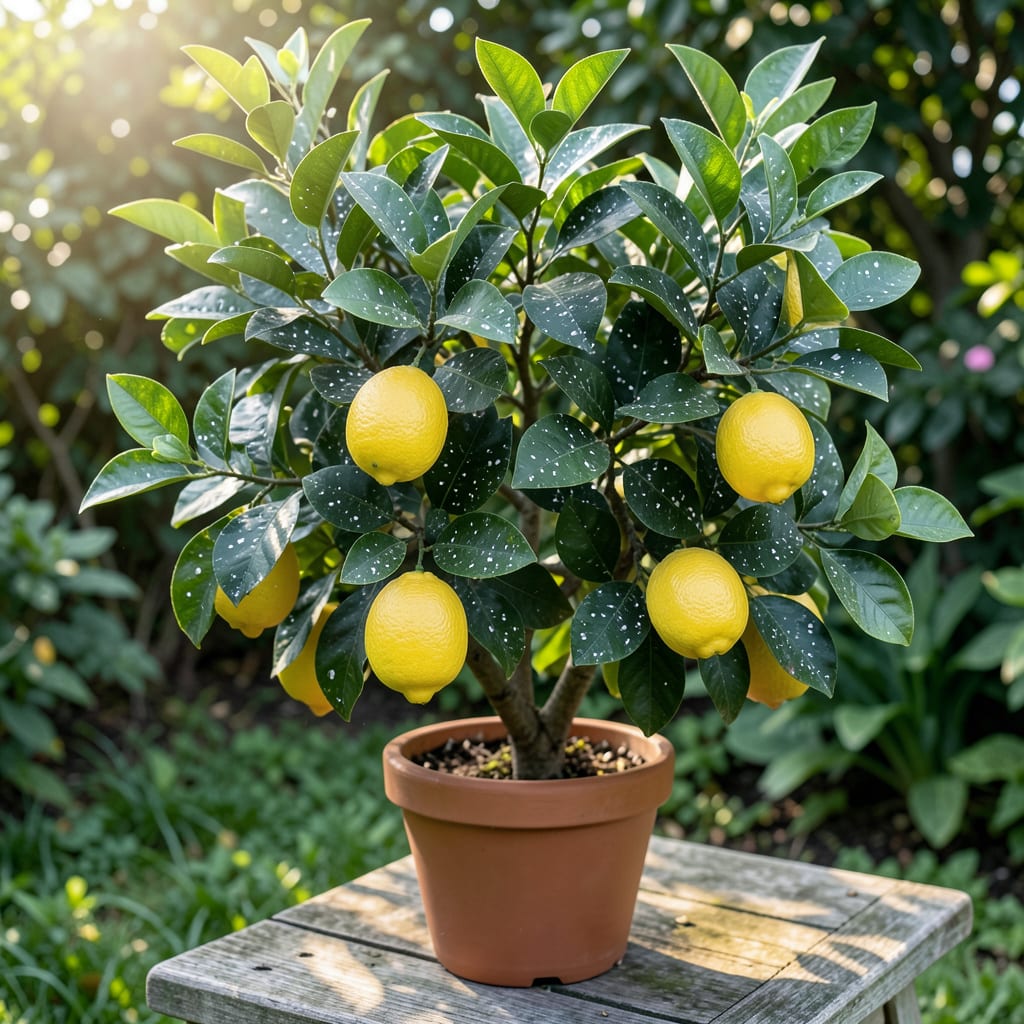
White spots on your lemon tree leaves aren’t just unsightly—they’re a warning sign. I’ve seen these marks turn into full-blown crises when ignored, but the good news is most causes are fixable with the right approach.
The culprits usually fall into three camps: hungry pests, sneaky fungal infections, or environmental stress. Each leaves its own distinct pattern, and learning to read these clues makes all the difference in saving your tree.
With a sharp eye and a few simple tools, you can diagnose the issue in minutes and start treatment the same day. Early action often means the difference between a quick recovery and a long battle.
This method works for potted trees, backyard orchards, and even drought-stressed plants. Let’s get to the root of the problem.
White spots on lemon tree leaves can stem from several underlying issues, often tied to fungal infections, pests, or environmental stress. Understanding the root cause is key to effective treatment.
Fungi like Powdery Mildew (Oidium spp.) thrive in warm, humid conditions, creating a white, powdery coating on leaves. Another culprit, Citrus Canker (Xanthomonas citri), causes raised, crusty white or yellow spots. These pathogens spread through spores, often via water splashes or wind.
Scale insects, mealybugs, and spider mites can leave white residues. Mealybugs secrete a cottony substance, while scale insects form waxy white shells. Spider mites create fine webbing and stippling, leading to discoloration. These pests suck sap, weakening the tree and leaving telltale spots.
Excessive water, poor drainage, or high humidity can stress lemon trees, making them susceptible to secondary infections. Overhead irrigation, for example, keeps foliage wet, promoting fungal growth. Sunburn or nutrient deficiencies (e.g., magnesium or zinc) may also manifest as white or pale patches.
Foliar sprays, like lime sulfur or certain pesticides, can leave white deposits if not rinsed properly. These residues are usually superficial but may mimic disease symptoms. Always follow label instructions to avoid over-application.
White spots on your lemon tree leaves can be frustrating, but don’t worry—there are simple, effective fixes for every cause. Below, we break it down by problem and solution, so you can act fast and restore your tree’s health.
If the white spots look like powder, powdery mildew is likely the culprit. Mix 1 tablespoon of baking soda, 1 teaspoon of dish soap, and 1 gallon of water, then spray affected leaves thoroughly. Prune crowded branches to boost airflow, and water at the base to keep leaves dry. Prevention tip: 💡 Space plants properly and avoid overhead watering.
For sticky white patches or cottony clusters, pests are the issue. Wipe leaves with a cotton swab dipped in rubbing alcohol to remove bugs on contact. Follow up with neem oil or insecticidal soap every 5–7 days until gone. Prevention tip: ✨ Inspect new plants before bringing them near your lemon tree and encourage beneficial insects like ladybugs.
If the spots are dry or chalky, your tree may lack essential nutrients. Use a balanced citrus fertilizer rich in zinc, iron, or magnesium, depending on the deficiency. Test your soil for accuracy. Prevention tip: 🎯 Fertilize regularly during the growing season, but avoid overdoing it—follow package instructions.
Soggy soil can lead to fungal growth and white spotting. Reduce watering and ensure your pot or planting area has good drainage. If fungus is present, apply a copper-based fungicide. Prevention tip: 🌡️ Water only when the top 1–2 inches of soil are dry, and use mulch to prevent splash-back onto leaves.
No, they can also come from pests, mineral deficiencies, or even chemical residues. Always inspect closely before assuming it’s a fungal issue.
For pests, you may see improvement in 3-5 days with proper treatment. Fungal issues often take 1-2 weeks to clear up completely.
Yes! A baking soda solution works well for powdery mildew. For pests, rubbing alcohol on a cotton swab can remove bugs on contact.
Potentially. Fungal spores and pests can travel via wind or contact. Isolate affected plants and treat promptly to prevent spreading.
