
Beautiful Plants For Your Interior
Beautiful Plants For Your Interior
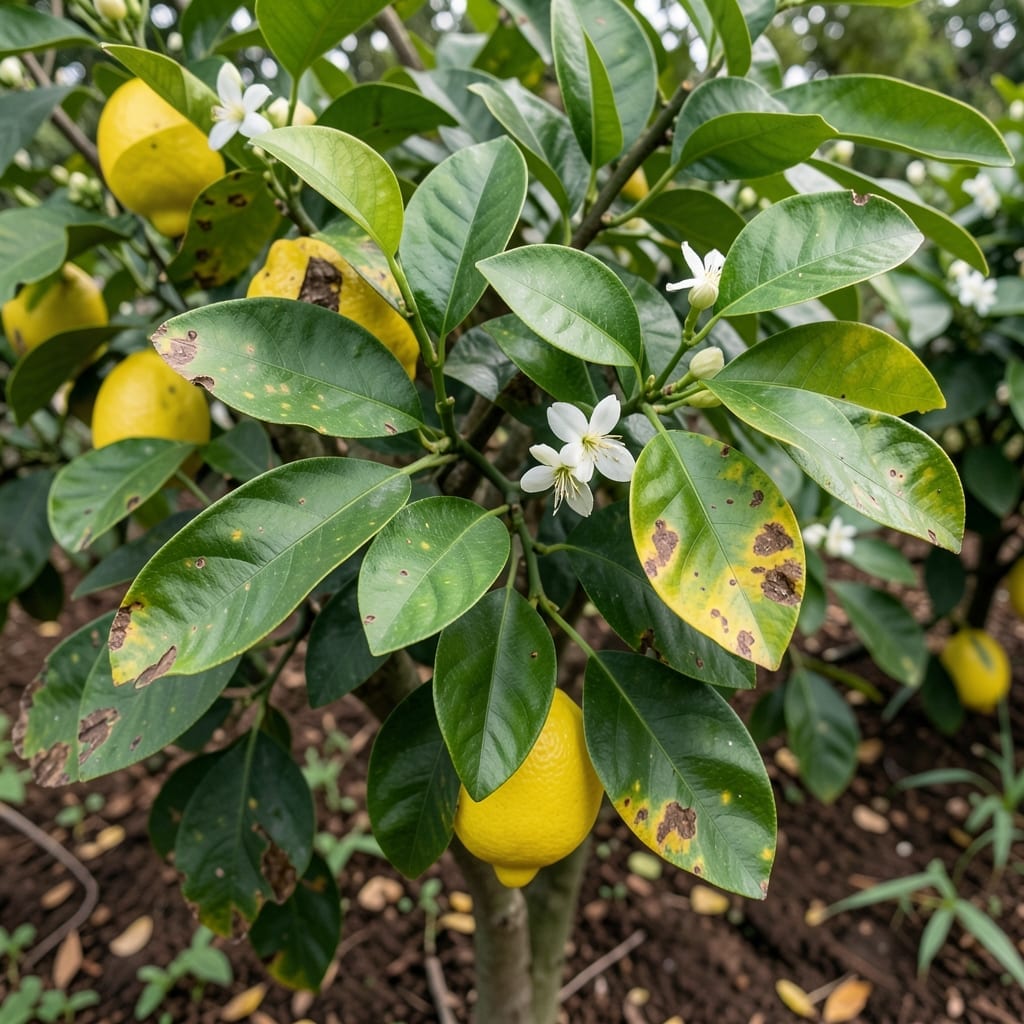
Yellow leaves on my lemon tree used to send me into a panic. Turns out, most issues are fixable once you know what to look for.
I’ve learned that yellowing often signals nutrient deficiencies or water stress, while curling can mean pests or environmental shock. The key is checking the pattern and timing of the changes.
Organic fixes like neem oil, compost tea, or adjusting watering schedules usually do the trick. My trees bounce back faster when I catch problems early.
You’ll see improvement within 2-3 weeks of applying the right solution. Here’s how to diagnose and treat your tree.
Understanding why your lemon tree’s leaves are struggling is the first step to revival. Here are the most common causes, broken down scientifically:
Lemon trees are sensitive to moisture imbalances. Overwatering suffocates roots, reducing oxygen uptake and leading to root rot (often caused by Phytophthora fungi). This blocks nutrient transport, causing leaves to yellow or drop. Conversely, underwatering triggers drought stress, prompting leaves to curl, wilt, or turn crispy as the tree conserves water.
A lack of key nutrients manifests in distinct leaf symptoms. Nitrogen deficiency causes uniform yellowing (chlorosis) of older leaves. Magnesium or iron shortages lead to interveinal chlorosis—yellowing between leaf veins—while potassium deficiency produces yellow edges with brown scorching. Soil pH (ideal: 6.0–7.0) can lock out nutrients, even if they’re present.
Sap-sucking pests like aphids, scale insects, or spider mites pierce leaf cells, draining vital fluids and introducing toxins. This results in stippling (tiny yellow spots), curled leaves, or sooty mold (a black fungus growing on pest honeydew). Citrus leafminers tunnel through leaves, creating serpentine trails and distorted growth.
Pathogens thrive in humid conditions. Citrus canker (Xanthomonas citri) causes corky, raised lesions with water-soaked margins. Greasy spot fungus (Mycosphaerella citri) creates yellow-brown blisters on leaf undersides. Root rot (from Phytophthora) often starts with wilting leaves that turn bronze before dropping.
Extreme temperatures (below 28°F or above 100°F), sudden frost, or excessive wind can shock the tree. Sunburn (from intense UV exposure) may bleach leaves white or yellow. Poor drainage or compacted soil also stresses roots, indirectly affecting foliage health.
Don’t let leaf issues sour your lemon tree’s health! Here’s how to tackle common problems and restore vibrant foliage.
Yellow leaves often signal a nitrogen deficiency. Fix it: Apply a balanced, slow-release citrus fertilizer (10-10-10) or work compost into the soil. For quick results, use a liquid seaweed or fish emulsion. Prevention tip: 💡 Fertilize every 4-6 weeks during growing season and test soil pH (aim for 6.0-7.0).
Spider mites, aphids, or scale leave stippled or curled leaves. Fix it: Blast pests off with water, then spray with neem oil or insecticidal soap (1 tbsp per quart of water). Repeat every 5-7 days. Prevention tip: ✨ Encourage ladybugs and lacewings by planting companion flowers like marigolds.
Drooping, yellowing leaves with soggy soil? You’re overwatering. Fix it: Let the top 2-3 inches of soil dry out before watering again. Ensure pots have drainage holes. Prevention tip: 🌡️ Use a moisture meter or stick your finger in the soil—water only when dry.
Brown, crispy edges or bleached spots? Too much direct sun. Fix it: Move potted trees to partial shade or use shade cloth (30-50%). Increase watering temporarily. Prevention tip: 🎯 Acclimate young trees gradually to full sun over 1-2 weeks.
Black spots or powdery mildew? Improve airflow first. Fix it: Remove affected leaves and spray with baking soda solution (1 tsp baking soda + 1 quart water + a few drops of dish soap). Prevention tip: 🔥 Space trees properly and avoid overhead watering.
With these fixes, your lemon tree will be back to its lush, productive self in no time!
Most often, this signals a nitrogen deficiency or overwatering. Older leaves yellow first with nitrogen issues, while waterlogging causes uniform yellowing. Test soil moisture and check your fertilizing schedule.
Curling often means pest stress or underwatering. Inspect undersides for pests like aphids, then spray with neem oil. If soil is dry 2-3 inches down, water deeply.
Yes, untreated issues like fungal diseases or severe nutrient deficiencies can affect fruit quality and yield. Address problems early to protect your harvest.
Maintain consistent watering, fertilize every 4-6 weeks in growing season, and inspect leaves weekly. Proper drainage and good airflow are key.