
Beautiful Plants For Your Interior
Beautiful Plants For Your Interior
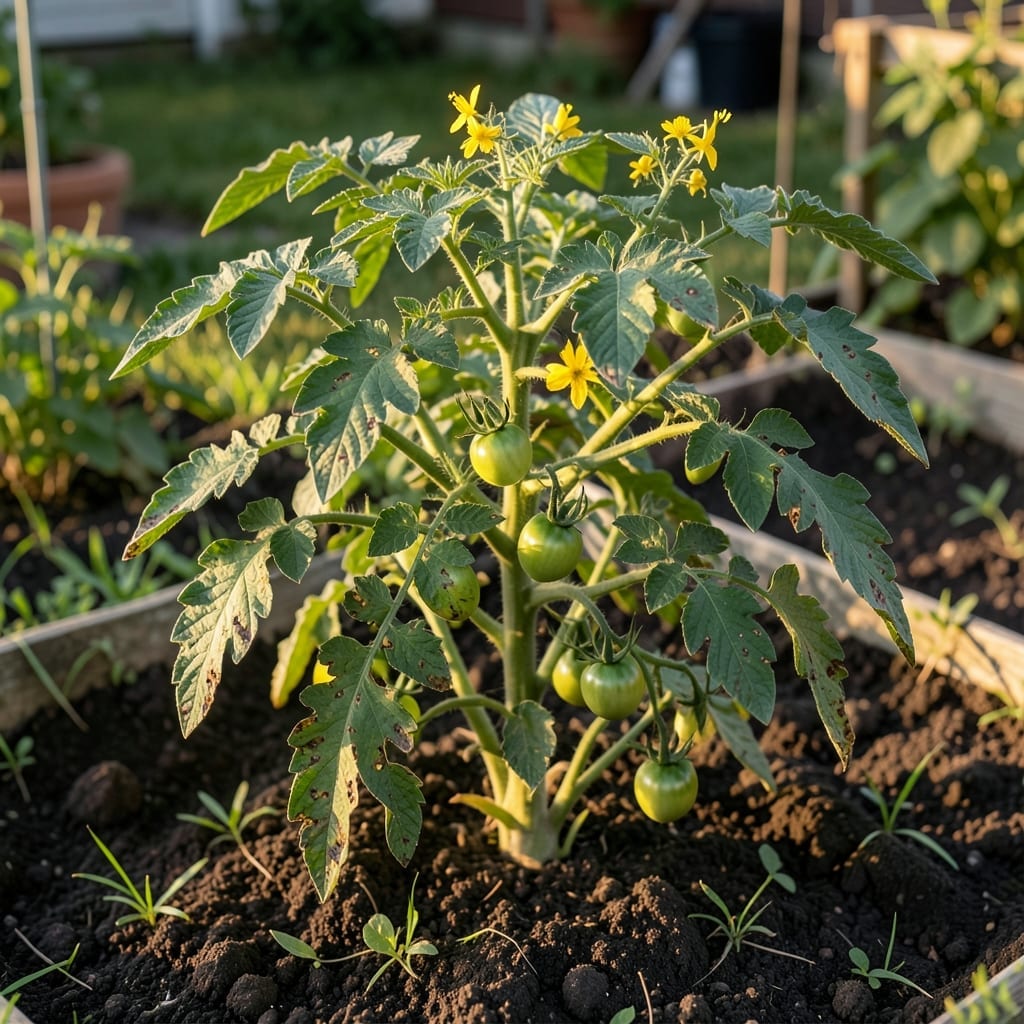
Dark spots on leaves aren’t just ugly—they’re your plants screaming for help. I’ve seen entire gardens wiped out by ignoring these early warnings. The good news? Most causes are fixable if you act fast.
Fungal infections, hungry pests, or nutrient imbalances usually leave distinct patterns. A little detective work with a magnifying glass and your phone’s camera can reveal the culprit before it spreads.
Once identified, solutions range from simple pruning to targeted sprays. I’ve saved countless plants with just neem oil and better airflow. The key is not panicking but responding methodically.
Your garden can bounce back stronger. The difference between a minor setback and a full-blown crisis is often just 24 hours of quick action.
Dark spots on leaves often signal underlying issues affecting plant health. Here are the most common causes, explained simply but backed by science:
Fungi like Alternaria or Cercospora thrive in damp, warm conditions. They spread via spores, infecting leaves and creating dark, irregular spots. Overwatering or poor air circulation accelerates growth. Action: Improve drainage and apply fungicides like copper-based solutions.
Bacteria such as Pseudomonas or Xanthomonas enter through wounds or stomata, causing water-soaked lesions that darken over time. High humidity and overhead watering spread these pathogens. Action: Prune infected leaves, avoid wetting foliage, and use bactericides like streptomycin.
Insects like aphids or spider mites pierce leaf tissues, creating entry points for secondary infections. Their feeding can also cause direct discoloration. Action: Introduce beneficial insects (e.g., ladybugs) or use insecticidal soap to control infestations.
Lack of essential nutrients (e.g., potassium, magnesium) can manifest as dark, necrotic spots, often with yellow halos. Soil tests can confirm deficiencies. Action: Amend soil with balanced fertilizers or targeted supplements.
Extreme temperatures, sunburn, or chemical exposure (e.g., herbicide drift) can scorch leaves, leading to dark, crispy spots. Action: Provide shade, maintain consistent watering, and avoid chemical contact.
Addressing dark spots on leaves starts with identifying the root cause. Below are targeted solutions for the most common issues, along with prevention tips to keep your plants thriving.
Fungal diseases like leaf spot or anthracnose thrive in damp conditions. Fix it: Remove infected leaves immediately to stop the spread. Apply a copper-based fungicide or a homemade mix of baking soda (1 tsp) + water (1 quart) + mild soap. Spray every 7–10 days until spots disappear.
Prevent it: Improve airflow around plants, avoid overhead watering, and water in the morning so leaves dry quickly. 💡 Pro tip: Space plants properly to reduce humidity buildup.
Pests like aphids, spider mites, or scale insects leave behind dark spots from their feeding or sooty mold. Fix it: Wipe leaves with a soapy water solution (1 tsp mild soap per liter of water) or use neem oil for a natural remedy. For severe cases, apply insecticidal soap.
Prevent it: Inspect plants weekly for early signs of pests. Introduce beneficial insects like ladybugs or use reflective mulch to deter pests. ✨
Overwatering or underwatering can cause dark, water-soaked spots or crispy edges. Fix it: Check soil moisture—stick your finger 1–2 inches deep. If dry, water thoroughly; if soggy, let it dry out. Ensure pots have drainage holes.
Prevent it: Use a moisture meter or water on a consistent schedule (e.g., every 3–5 days for most houseplants). 🌡️ Pro tip: Group plants with similar water needs together.
Dark spots with yellow halos often signal a lack of magnesium or potassium. Fix it: Use a balanced, water-soluble fertilizer or add Epsom salt (1 tbsp per gallon of water) for magnesium. Test soil to confirm deficiencies.
Prevent it: Fertilize during the growing season (spring/summer) but avoid over-fertilizing. Follow package instructions for dosage. 🎯
Yes! Too much water leads to root rot, which can manifest as dark, water-soaked spots on leaves. Always check soil moisture before watering.
Let the top 1-2 inches of soil dry out between waterings.
Fungal spots often have a ring-like pattern or fuzzy edges. Bacterial spots are usually more water-soaked with yellow halos.
A magnifying glass helps spot these differences.
Unfortunately, damaged leaves won’t heal completely. The good news is new growth will be healthy if you address the root cause.
Remove severely spotted leaves to prevent spread.
A mix of baking soda and water works well for fungal issues. Neem oil is great for pests.
Always test on a small area first.