
Beautiful Plants For Your Interior
Beautiful Plants For Your Interior
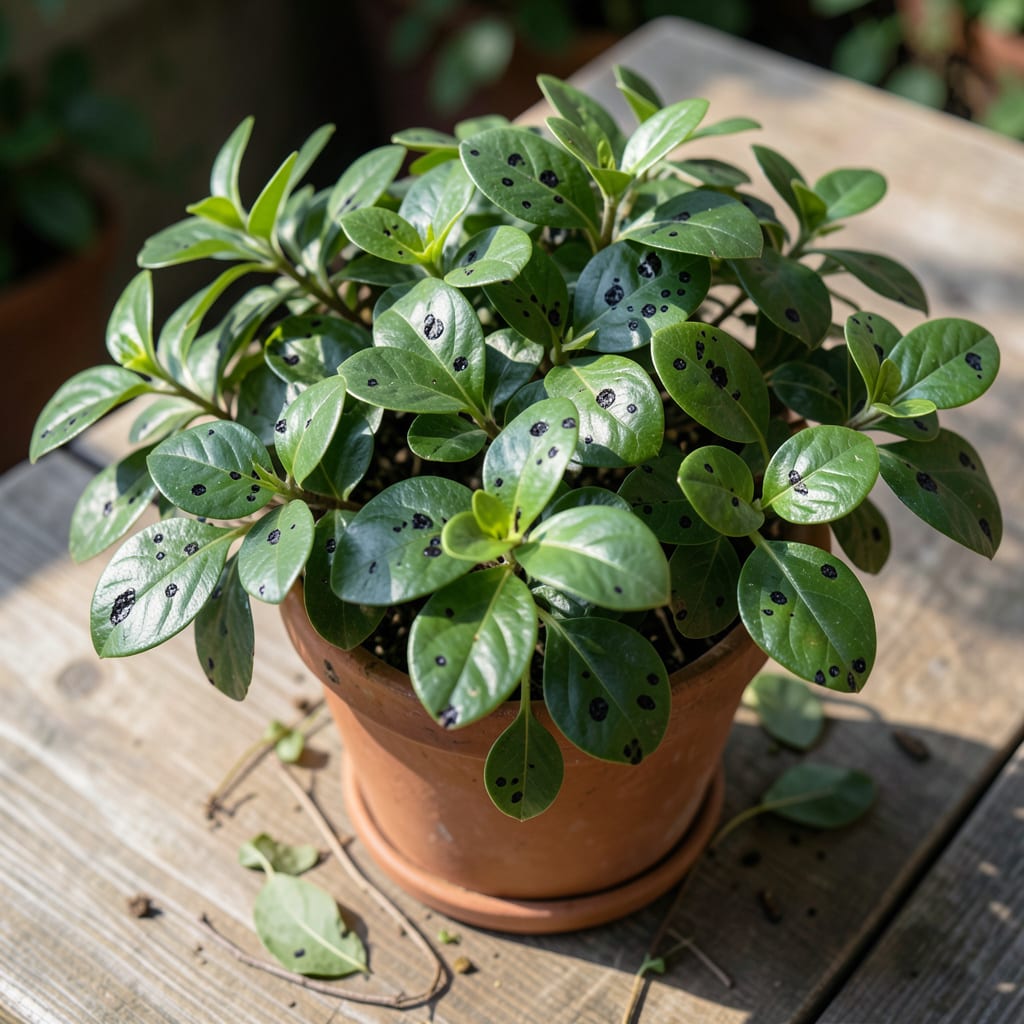
Those black spots on your shrub leaves aren’t just ugly—they’re a warning sign. I’ve seen entire landscapes lose their vibrancy overnight because someone ignored the first dark speckles.
The usual suspect is fungus, but pests and poor air circulation can mimic the damage. Early action saves plants, while waiting turns a small problem into a full-blown crisis.
You’ll learn to spot the difference between fungal patterns, pest damage, and environmental stress. Each has its own fingerprints if you know where to look.
Fix it now, and your shrubs will thank you with healthier growth next season. The solutions are simpler than you’d think.
Black spots on shrub leaves often signal underlying issues that disrupt plant health. Below are the most common causes, explained with actionable insights.
Fungi like Cercospora, Alternaria, or Septoria thrive in warm, humid conditions, producing dark, circular lesions. These pathogens spread via water splashes or contaminated tools. Overhead watering and poor air circulation exacerbate the problem. Action: Remove infected leaves, improve airflow, and apply copper-based fungicides preventatively.
Prolonged wetness from rain, dew, or irrational watering weakens leaf tissues, making them susceptible to secondary infections. Drought stress can also cause necrotic (dead) spots as cells collapse. Action: Water at the base of the plant in the morning and ensure proper drainage.
Sap-sucking insects like aphids, scale, or spider mites leave behind wounds that turn black as tissues die. Their honeydew secretion also fosters sooty mold, a black fungal growth. Action: Inspect leaf undersides and treat with insecticidal soap or neem oil.
Lack of essential nutrients—particularly magnesium or potassium—can cause interveinal chlorosis (yellowing) followed by black necrotic spots. Action: Conduct a soil test and amend with balanced fertilizers or Epsom salt (for magnesium).
Overuse of herbicides, pesticides, or even foliar fertilizers can scorch leaf tissues, creating dark, irregular patches. Action: Always follow label rates and apply chemicals during cooler parts of the day to minimize stress.
Tackle those unsightly black spots on your shrubs with these targeted solutions, tailored to the most common causes. Early action and consistent care will restore your plants’ health and vitality.
For fungal issues like leaf spot or anthracnose, start by removing and destroying infected leaves to stop the spread. Apply a copper-based fungicide or neem oil every 7–10 days until symptoms disappear. Prevention tip: 💡 Improve air circulation by pruning dense foliage, and water at the base of the plant to keep leaves dry.
If pests like aphids or mites are the culprits, blast them off with a strong stream of water. Follow up with insecticidal soap or horticultural oil, applying in the early morning or late evening. Prevention tip: 🎯 Encourage natural predators (e.g., ladybugs) by planting companion flowers like marigolds or alyssum.
Overwatering or nutrient deficiencies can weaken shrubs, making them prone to black spots. Ensure your plants receive 1–1.5 inches of water per week (including rainfall) and fertilize with a balanced, slow-release formula in spring. Prevention tip: ✨ Mulch around the base to retain moisture and regulate soil temperature, but avoid piling it against the stems.
Extreme heat, drought, or poor soil drainage can stress shrubs, leading to discoloration. Provide afternoon shade for sun-sensitive varieties and amend heavy clay soil with compost to improve drainage. Prevention tip: 🌡️ Group plants with similar water and light needs to create a microclimate that reduces stress.
Yes, fungal spores or pests can travel via wind, water, or tools. Isolate affected shrubs and sanitize pruners between cuts to prevent spreading.
No, composting diseased leaves can spread pathogens. Dispose of them in sealed bags with household trash instead.
With proper care, new growth should appear spot-free within 2-3 weeks. Severely damaged leaves won’t heal but will be replaced.
Mix 1 teaspoon baking soda and 1 quart water, adding a drop of dish soap. Spray weekly until spots fade.
