
Beautiful Plants For Your Interior
Beautiful Plants For Your Interior
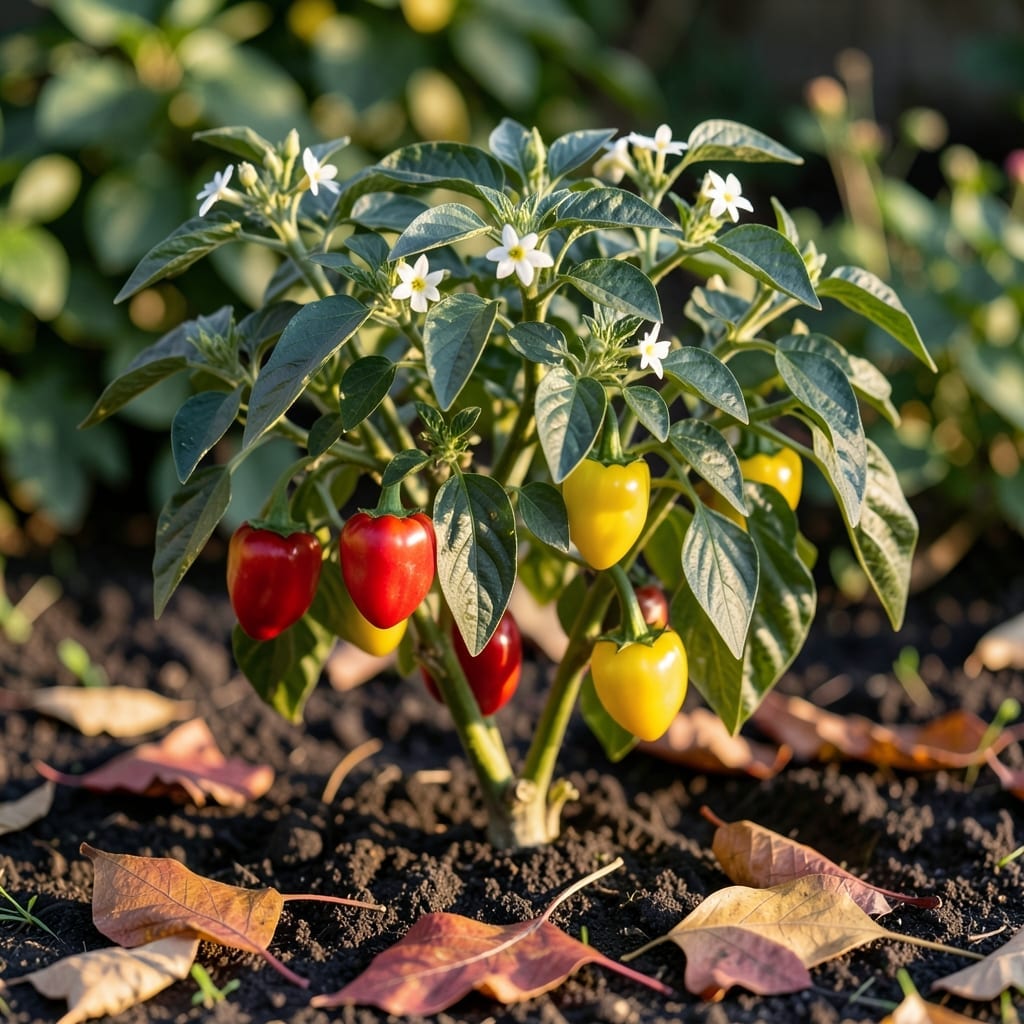
Nothing stings like watching your pepper plants drop leaves overnight. 🌱 I’ve been there—healthy plants one day, bare stems the next. The good news? Most causes are fixable if you act fast.
Overwatering, pests, or sudden temperature swings often trigger this. The key is spotting which one’s hitting your plants. Yellow leaves usually mean too much water, while brown spots scream pests or disease.
You’ll see new growth within 7-10 days once you nail the issue. The fix might be as simple as adjusting your watering schedule or moving pots to a sunnier spot.
Works for bell peppers, jalapeños, or any variety. Here’s how to diagnose and bounce back quickly.
Pepper plants drop leaves for several reasons, often tied to environmental stress or care mistakes. Here are the most common causes, explained simply:
Peppers are tropical plants that thrive in 70–85°F (21–29°C) ranges. Sudden cold snaps below 55°F (13°C) or heat spikes above 90°F (32°C) trigger stress responses, including leaf shed. Cold damages cell structures, while excessive heat accelerates moisture loss, forcing the plant to conserve energy.
Both overwatering and underwatering lead to leaf drop. Soggy soil suffocates roots, reducing nutrient uptake, while drought stress causes wilting followed by leaf abscission. Aim for consistent moisture—water when the top inch of soil feels dry, but avoid waterlogged conditions.
Lack of key nutrients like nitrogen (yellowing leaves), magnesium (interveinal chlorosis), or calcium (blossom end rot in fruits) weakens plants. Without proper nourishment, older leaves are sacrificed first to support new growth. Use a balanced fertilizer and test soil pH (ideal: 6.0–6.8).
Aphids, spider mites, and whiteflies suck sap from leaves, causing yellowing, curling, or premature drop. Check undersides of leaves for webbing, sticky residue, or tiny insects. Treat with neem oil or insecticidal soap at first signs.
Fungal infections like Phytophthora blight or bacterial leaf spot (Xanthomonas) create lesions, leading to defoliation. Improve airflow, avoid overhead watering, and remove infected leaves immediately to prevent spread.
Moving seedlings or repotting can stress plants, prompting temporary leaf loss. Harden off plants gradually and avoid disturbing roots during transitions.
Peppers are tough plants, but even they need a little help sometimes. Below are the most common causes of leaf drop and the practical fixes to bring your plant back to full health.
Check the soil 1–2 inches deep. If it’s bone-dry, water deeply until it drains from the bottom. If it’s soggy, let it dry out and improve drainage with perlite or sand. Prevention tip: Use a moisture meter or the finger test to water only when the top inch is dry. Consistency is key—water in the morning to reduce evaporation.
Peppers thrive between 70–85°F (21–29°C). If nights dip below 55°F (13°C) or days spike above 90°F (32°C), leaves may drop. Move potted plants indoors or to shade during heatwaves, and use row covers or cloches for cold snaps. Prevention tip: Avoid placing plants near drafts or heat sources like AC units or radiators.
Yellowing leaves often signal a lack of nitrogen, magnesium, or calcium. Use a balanced fertilizer (10-10-10) or a pepper-specific formula. For calcium, add crushed eggshells to the soil. Prevention tip: Test your soil annually and amend it with compost for a steady nutrient supply.
Inspect leaves for aphids, spider mites, or fungal spots. Spray with neem oil or insecticidal soap for pests, and remove infected leaves to stop the spread. For fungal issues, improve airflow and avoid wetting the foliage. Prevention tip: Rotate crops yearly and keep the garden clean to deter pests and diseases.
If leaves drop after repotting or moving, your plant is likely stressed. Trim damaged leaves, keep it in partial shade for a few days, and avoid fertilizing for a week. Prevention tip: Harden off seedlings gradually before transplanting to reduce shock.
With the right fix, you should see fresh growth within 7-10 days. Recovery speed depends on the cause—water stress fixes show results fastest, while disease recovery may take longer.
Yes! Too much fertilizer burns roots, preventing water uptake. Stick to recommended doses and flush soil with water if you suspect overfeeding.
Only trim dead or diseased leaves. Healthy stems will regrow foliage once conditions improve. Pruning too much can stress the plant further.
Use your finger—stick it 1-2 inches deep. If dry, water; if damp, wait. A moisture meter works too for more precision.