
Beautiful Plants For Your Interior
Beautiful Plants For Your Interior
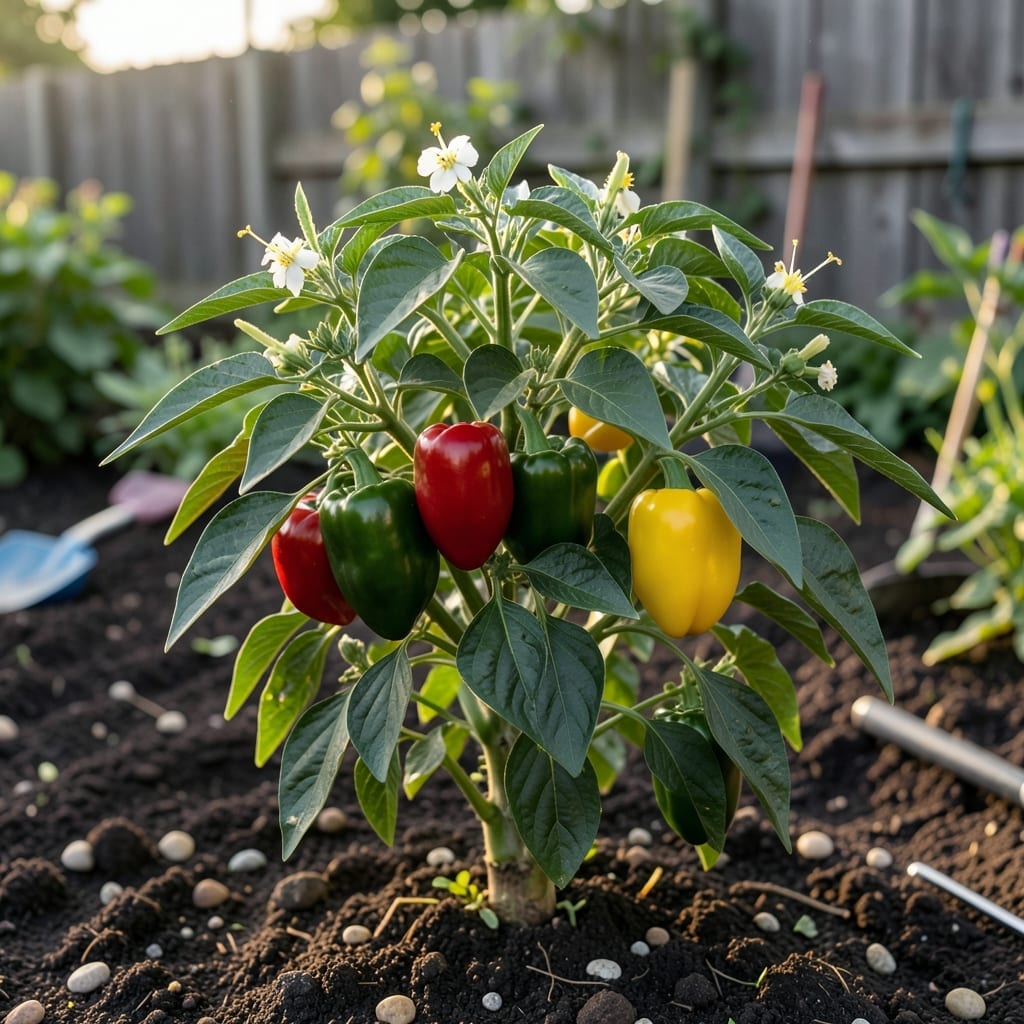
First time I saw pepper leaves curling, I panicked. Turns out it’s often fixable—just a sign your plants are stressed and need attention.
Environmental shock, thirsty roots, or hungry pests usually cause the problem. The good news is that most curl cases reverse once you adjust water, light, or soil conditions.
You’ll learn to spot the difference between harmless heat curl and serious disease damage. A quick diagnosis now saves your pepper harvest later.
Works for bell peppers, jalapeños, or any variety in containers or ground. Let’s straighten those leaves out.
Leaf curl in peppers is a distress signal from your plants, often tied to environmental stress or biological factors. Here’s a breakdown of the most common causes:
Peppers thrive in warm conditions, but excessive heat (above 90°F/32°C) can trigger leaf curl as a survival mechanism. The plant curls its leaves to reduce surface area and minimize water loss through transpiration. This is especially common in midday sun without adequate shading or hydration.
Both overwatering and underwatering can lead to curled leaves. Overwatering suffocates roots, reducing nutrient uptake, while drought stress forces the plant to conserve moisture. Check soil moisture 1-2 inches deep—it should feel slightly damp, not soggy or bone-dry.
Sap-sucking pests like aphids, whiteflies, or spider mites cause leaf curl by draining plant fluids and injecting toxins. Inspect the undersides of leaves for sticky residue (honeydew) or fine webbing. Early intervention with neem oil or insecticidal soap can prevent severe damage.
Virus-induced curl (e.g., Tomato Yellow Leaf Curl Virus) stunts growth and distorts foliage. These viruses are often spread by whiteflies. Infected plants typically show yellowing, stunted leaves, and reduced yields. Remove and destroy affected plants to prevent spread.
A lack of magnesium, calcium, or potassium can manifest as curled leaves. Magnesium deficiency, for example, often causes interveinal yellowing alongside curling. A balanced fertilizer or foliar spray can correct imbalances—test soil for accurate diagnosis.
Leaf curl in peppers can be frustrating, but these targeted solutions will help you restore your plants to health. Address each issue with the right fix and prevent future problems with simple, proactive steps.
Fix: Move potted peppers to a shadier spot or use shade cloth to protect them during the hottest part of the day. For in-ground plants, mulch heavily to retain soil moisture and cool the roots. Water deeply in the early morning to help plants cope with heat.
Prevention: Choose heat-tolerant pepper varieties and plant in areas with afternoon shade. Keep soil consistently moist but not waterlogged.
Fix: Check soil moisture by sticking your finger 1-2 inches into the soil. If it’s dry, water thoroughly; if it’s soggy, let it dry out before watering again. Adjust your watering schedule based on weather conditions.
Prevention: Use a drip irrigation system or soaker hoses to deliver water directly to the roots and avoid wetting the leaves. Ensure your soil has good drainage to prevent waterlogging.
Fix: Spray plants with neem oil or insecticidal soap to control aphids, whiteflies, or mites. For severe infestations, remove heavily affected leaves or use a strong blast of water to dislodge pests.
Prevention: Encourage beneficial insects like ladybugs and lacewings by planting companion flowers. Regularly inspect the undersides of leaves for early signs of pests.
Fix: Remove and destroy infected leaves or plants to prevent the spread of disease. Apply a copper-based fungicide for fungal issues like leaf curl virus. For viral infections, there’s no cure, so focus on removing affected plants.
Prevention: Practice crop rotation and avoid overhead watering to reduce humidity around leaves. Disinfect tools and avoid working with wet plants to minimize disease spread.
Fix: Test your soil to identify deficiencies. Amend with a balanced fertilizer or add specific nutrients like calcium or magnesium if lacking. Foliar sprays can provide a quick boost for fast recovery.
Prevention: Enrich soil with compost before planting and use a slow-release fertilizer throughout the growing season. Monitor leaf color and growth for early signs of deficiencies.
Yes, if the cause is temporary like heat stress or underwatering. Once conditions improve, new growth will appear normal within 1-2 weeks. Severely damaged leaves may not uncurl but won’t affect future growth.
Check leaf undersides for tiny bugs, sticky residue, or fine webbing. Aphids and spider mites are common culprits. A magnifying glass helps spot these pests early.
Yes, over-fertilizing can burn roots and cause curling. Always follow package rates and fertilize during active growth periods only. Flush soil with water if you suspect fertilizer burn.
Only if caused by pests or viruses. Viral infections spread via insects, while pest infestations can jump between plants. Isolate affected plants and treat immediately to prevent spread.