
Beautiful Plants For Your Interior
Beautiful Plants For Your Interior
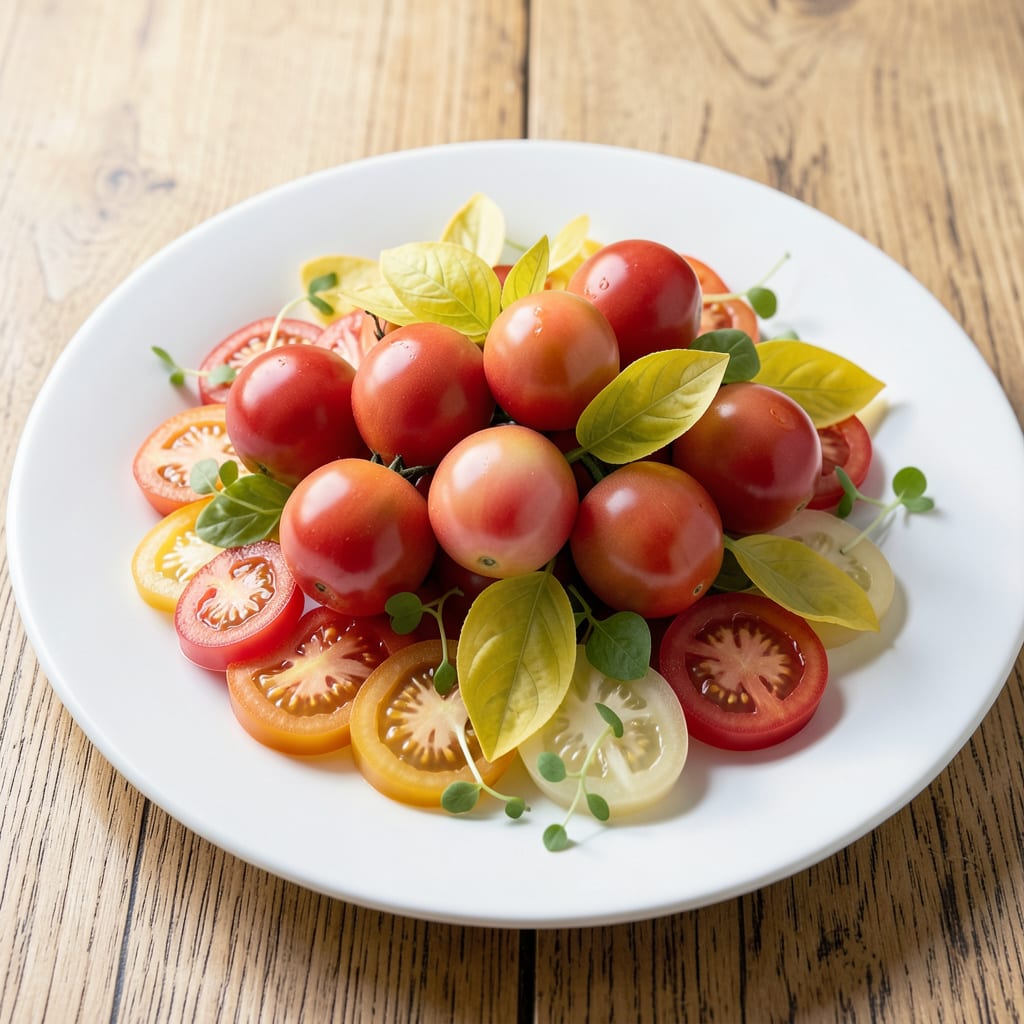
Bottom yellow leaves on tomatoes always signal trouble. I’ve seen this pattern ruin entire plants in a week, but catching it early saves the harvest.
Usually it’s nitrogen deficiency or overwatering—both suffocate roots and starve the plant. Sometimes pests or disease join the party, but the fix starts with checking soil moisture and adjusting fertilizer.
You’ll spot the difference fast: nitrogen turns leaves uniformly yellow, while overwatering adds wilting. The solution is often as simple as letting soil dry between waterings or adding a balanced feed.
Works for container or in-ground plants. Here’s how to diagnose and fix it before the problem spreads upward.
Understanding why your tomato plant’s lower leaves turn yellow starts with pinpointing the root cause. Here’s a breakdown of the most common culprits, backed by science and actionable insights.
Yellowing at the bottom of the plant often signals a nitrogen (N) deficiency. Nitrogen is mobile, meaning the plant redirects it from older leaves to newer growth when supplies are low. Look for uniform yellowing (chlorosis) without spots or wilting. A soil test can confirm this—amend with a balanced fertilizer (e.g., 10-10-10) or organic options like compost or fish emulsion.
Magnesium (Mg) deficiency also causes yellowing, but typically between leaf veins (interveinal chlorosis), starting on lower leaves. Epsom salt (magnesium sulfate) sprayed at 1 tablespoon per gallon of water can correct this quickly.
Excess water suffocates roots, reducing their ability to absorb nutrients—even if the soil is rich. This leads to yellowing leaves that may also appear wilted or mushy. Check soil moisture 2 inches deep; if it’s soggy, scale back watering. Ensure pots have drainage holes, and for garden beds, amend heavy clay soil with perlite or compost to improve aeration.
Pathogens like Fusarium or Verticillium wilt disrupt water and nutrient flow, causing yellowing that progresses upward. Leaves may also develop brown spots or dry edges. Rotate crops yearly and avoid overhead watering to prevent spores from spreading. For infected plants, remove and destroy affected foliage, and apply a copper-based fungicide as a preventive measure.
Sap-sucking pests like aphids, whiteflies, or spider mites drain nutrients from leaves, leading to yellowing and stunted growth. Inspect the undersides of leaves for tiny bugs or webbing. Blast them off with water or use neem oil or insecticidal soap for organic control.
Extreme temperatures (below 50°F or above 90°F) or sudden temperature swings can stress tomatoes, causing lower leaves to yellow. Provide shade cloth during heatwaves or row covers for cold snaps. Consistency is key—aim for 70–85°F daytime temperatures for optimal growth.
When the lower leaves of your tomato plants start turning yellow, quick action can save the rest of the plant. Below are targeted fixes for the most common causes, along with prevention tips to keep your tomatoes thriving.
If yellowing is due to nitrogen, magnesium, or potassium deficiency, amend the soil with a balanced fertilizer or organic matter like compost. For nitrogen, use a 10-10-10 fertilizer. For magnesium, try Epsom salt (1 tablespoon per gallon of water, sprayed on leaves). Potassium can be boosted with wood ash or banana peels.
Prevention tip: 💡 Test your soil before planting and add compost annually to maintain nutrient balance.
Let the soil dry slightly between waterings. Stick your finger an inch into the soil—if it’s damp, hold off on watering. Ensure your pots or garden beds have good drainage to prevent root rot. Water deeply but less frequently to encourage strong root growth.
Prevention tip: 🌡️ Use a moisture meter or water in the early morning to reduce evaporation and fungal risks.
For early blight or other fungal issues, remove affected leaves immediately and dispose of them (not in compost). Apply a copper-based fungicide or a homemade mix of baking soda and water (1 teaspoon per quart, with a drop of dish soap). Space plants properly for airflow.
Prevention tip: ✨ Rotate crops yearly and avoid overhead watering to minimize fungal spores.
Check for aphids, whiteflies, or spider mites under leaves. Spray with neem oil or insecticidal soap to control infestations. Introduce beneficial insects like ladybugs for natural pest control.
Prevention tip: 🎯 Regularly inspect plants and keep the garden free of debris where pests hide.
Address the issue early, and your tomato plants will bounce back with healthy, green foliage!
Overwatered leaves often feel soft and mushy, while nutrient-deficient leaves stay crisp but turn yellow. Check soil 2 inches deep—if soggy, it’s overwatering. Uniform yellowing suggests nitrogen deficiency.
No, damaged leaves won’t recover, but new growth will be healthy. Remove severely yellowed leaves to redirect energy to healthy foliage. Focus on correcting the root cause.
Yes! Coffee grounds add nitrogen, great for yellowing from deficiency. Use 1 cup per plant, scratched into soil. Avoid overdoing it—too much can acidify soil. Works best for mild cases.
Water deeply 2-3 times per week, letting soil dry slightly between sessions. Stick your finger in soil—if the top 1-2 inches are dry, it’s time to water. Morning watering reduces fungal risks.
