
Beautiful Plants For Your Interior
Beautiful Plants For Your Interior
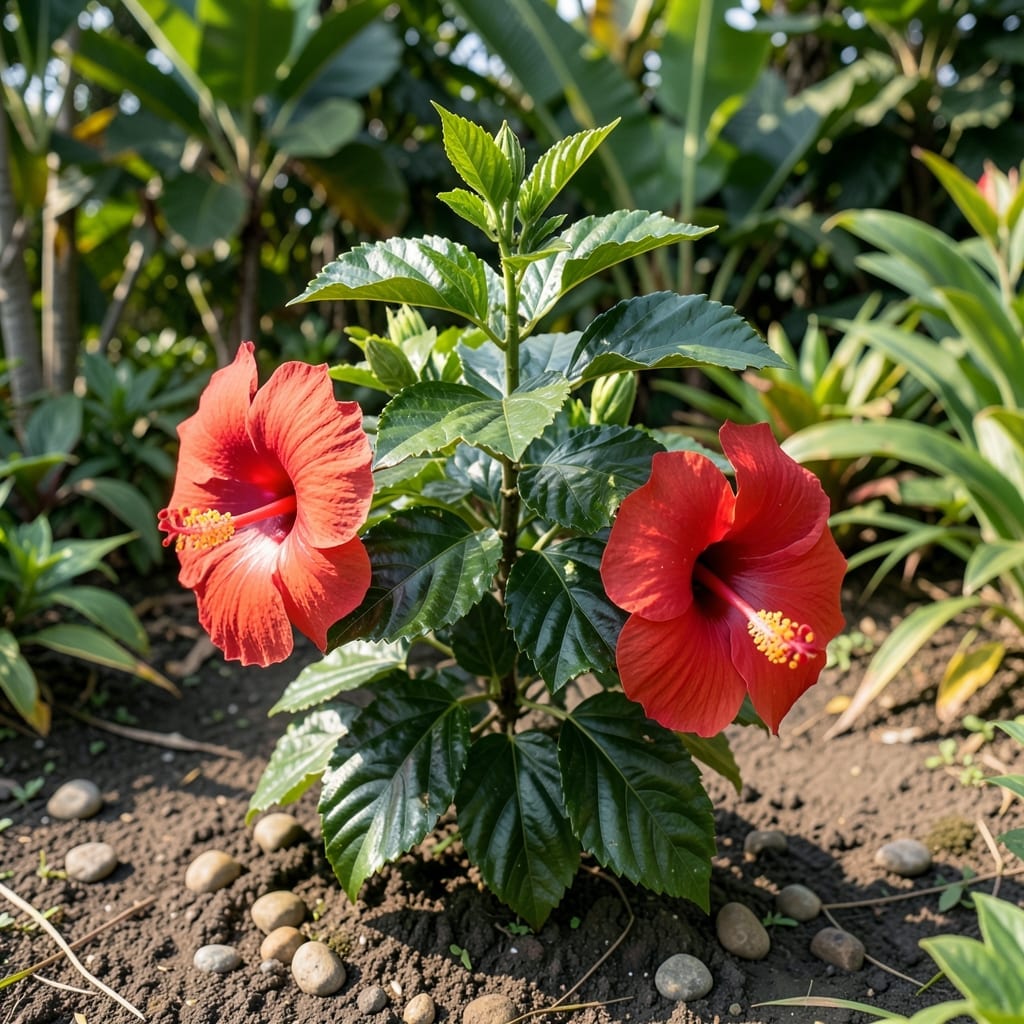
Your hibiscus leaves turning into tiny scrolls overnight? I’ve been there—watching healthy foliage suddenly curl into tight spirals is alarming, but it’s usually fixable.
Most cases come down to 3 culprits: thirsty roots, aphids throwing a party, or too much love from the sun. The good news? Organic solutions work fast once you identify which one’s causing the drama.
📚 In This Guide
Here’s how I diagnose and treat leaf curl on hibiscus using natural methods that actually work.
Examine your plant closely to determine the pattern of curling. Upward curling often indicates overwatering or root stress, while downward curling usually points to underwatering or heat stress. I always start by checking the soil moisture first—stick your finger 1-2 inches deep into the soil.
If leaves curl inward like a taco, suspect pest damage from aphids or whiteflies. Look on the undersides for tiny insects or sticky residue. Yellowing combined with curling typically means a nutrient deficiency, often magnesium or potassium. Note all symptoms before deciding on treatment.
For overwatered hibiscus, let the soil dry out until the top 2 inches feel dry to the touch. I’ve found that hibiscus prefer the “soak and dry” method—water deeply until it runs out the drainage holes, then wait until the soil is nearly dry before watering again. This mimics their natural tropical conditions.
If underwatering is the issue, give the plant a thorough drink until water flows from the drainage holes. Then establish a consistent schedule—hibiscus typically need water every 3-5 days in warm weather, but always check the soil first. A moisture meter can help remove the guesswork.
Move potted hibiscus to a location with morning sun and afternoon shade if you suspect heat stress. I position mine where they get 4-6 hours of direct sunlight daily. For in-ground plants, consider temporary shade cloth during the hottest part of the day.
Check for sudden temperature changes, especially if you moved the plant recently. Hibiscus thrive in 65-80°F ranges. If nights drop below 50°F, bring container plants indoors. Drafts from air conditioners or heaters can also cause curling—keep plants away from vents.
For aphids or whiteflies, I use a strong blast of water from the hose to knock them off, then follow with a spray of neem oil solution (mixed according to package directions). Apply in the early morning or evening to avoid leaf burn, and repeat every 5-7 days until pests are gone.
For spider mites (which cause stippling and fine webbing along with curling), increase humidity around the plant with a pebble tray or humidifier. These pests thrive in dry conditions. A daily misting with water can also deter them, but avoid getting the flowers wet to prevent spotting.
Yellowing between leaf veins with curling edges often signals magnesium deficiency. I dissolve 1 tablespoon of Epsom salts in a gallon of water and apply as a foliar spray or soil drench. Do this every 2-4 weeks until new growth appears normal.
For potassium deficiency (leaf edges curl and brown), apply a banana peel tea or work composted banana peels into the top inch of soil. I’ve also had success with a balanced organic fertilizer like fish emulsion, applied every 4-6 weeks during the growing season. Always water before and after applying fertilizers to prevent root burn.
Small details make the biggest difference when diagnosing and fixing leaf curl on hibiscus.
Diagnosis Precision: In Step 1, checking soil moisture at exactly 1-2 inches deep is crucial. Upward curling usually means too much water, while downward points to too little. I learned the hard way that guessing without checking the soil first leads to the wrong treatment every time.
Watering Technique: The “soak and dry” method in Step 2 works because hibiscus are tropical plants. Water until it runs from drainage holes, then wait until the top 2 inches feel dry. In warm weather, they typically need water every 3-5 days, but always let the soil be your guide, not the calendar.
Environmental Control: For heat stress in Step 3, aim for 4-6 hours of direct sunlight daily. If your plant is in ground, temporary shade cloth during peak heat helps. Hibiscus thrive best between 65-80°F—if nights drop below 50°F, bring potted plants inside to prevent temperature shock.
Pest Treatment Timing: When applying neem oil in Step 4, do it in early morning or evening to avoid leaf burn. The 5-7 day repeat interval is perfect for breaking the pest life cycle without harming beneficial insects. I use a strong water blast first to knock pests off before spraying.
Leaf curl in hibiscus is often caused by environmental stress (like drought or extreme heat), pests (such as aphids or whiteflies), or fungal diseases like powdery mildew. Overwatering or poor soil drainage can also contribute.
Yes! Try organic fixes like neem oil for pests, improving drainage, or adjusting watering habits. Prune affected leaves and ensure proper sunlight. A balanced organic fertilizer can also boost plant health.
Prevent leaf curl by maintaining consistent watering, avoiding overhead irrigation, and ensuring good air circulation. Regularly inspect for pests and treat early with natural remedies like insecticidal soap.
It depends on the cause. Fungal or viral infections can spread, but environmental stress or pest-related curl won’t. Isolate affected plants if you suspect a disease to protect others.