
Beautiful Plants For Your Interior
Beautiful Plants For Your Interior
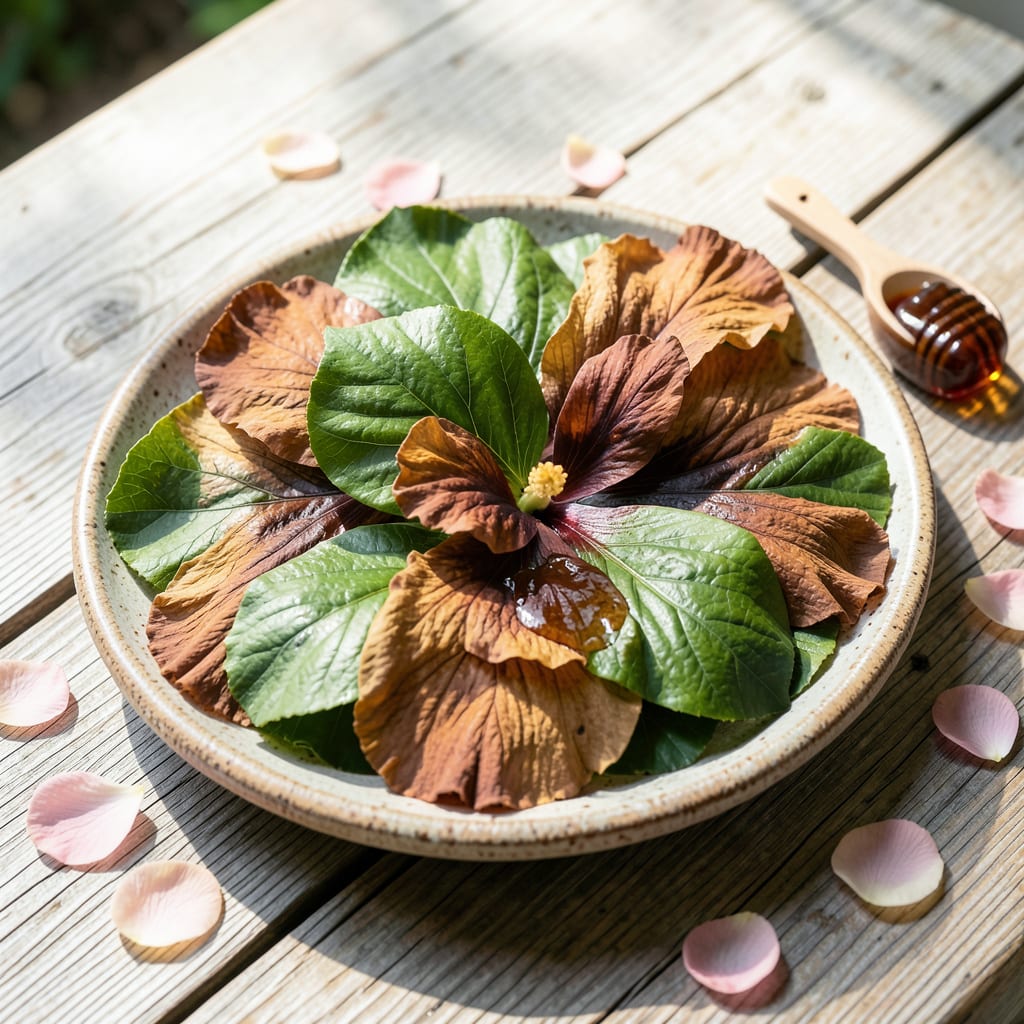
Brown hibiscus leaves ruined my first summer with these plants. I watched vibrant green turn crispy overnight, completely clueless about what went wrong.
Turns out, most cases come down to 3 common culprits: water stress, nutrient imbalances, or sneaky pests. The good news? Each has a straightforward fix once you know what to look for.
You’ll spot the difference between underwatering (dry, papery edges) and overwatering (yellowing first) within 24 hours of adjusting your routine. The leaves bounce back faster than you’d expect.
Simple tweaks to your care routine can restore that lush green color and keep your hibiscus thriving all season long.
Hibiscus leaves turning brown can be alarming, but understanding the root causes helps you address the issue effectively. Here are the most common reasons your plant’s foliage may be discoloring:
Improper watering is a leading cause of browning leaves. Overwatering suffocates roots, preventing oxygen uptake and leading to root rot, which manifests as yellowing or browning leaves. Underwatering, on the other hand, causes dehydration, making leaves crispy and brown at the edges. Hibiscus plants thrive with consistent moisture—water when the top inch of soil feels dry, and ensure pots have drainage holes.
Hibiscus plants are sensitive to environmental extremes. Excessive sunlight can scorch leaves, causing brown patches or edges, while low humidity dries them out. Conversely, cold drafts or temperatures below 50°F (10°C) trigger stress responses, leading to discoloration. Aim for bright, indirect light and maintain humidity levels around 50-70% for optimal health.
Fungal diseases like leaf spot or rust often cause brown or black spots on hibiscus leaves. These thrive in wet, poorly ventilated conditions. Fungi such as Phyllosticta or Puccinia infect leaves, disrupting chlorophyll production. To prevent spread, remove infected leaves immediately, improve air circulation, and avoid overhead watering.
A lack of essential nutrients—particularly magnesium, potassium, or nitrogen—can lead to browning. Magnesium deficiency causes interveinal chlorosis (yellowing between veins) followed by browning, while potassium deficiency leads to leaf edge scorching. Use a balanced, water-soluble fertilizer (e.g., 10-10-10 or 20-20-20) every 2-4 weeks during the growing season.
If your hibiscus leaves are turning brown, don’t panic—there are clear fixes for each underlying cause. Below are practical solutions mapped to common issues, plus prevention tips to keep your plant thriving.
Fix: Check the soil moisture 1–2 inches deep. If bone-dry, water deeply until it drains from the bottom. If soggy, let it dry out and improve drainage by adding perlite or sand to the soil. Use a pot with drainage holes if growing in containers.
Prevent: Water when the top inch of soil feels dry. Use a moisture meter for accuracy, and always empty saucers after watering to avoid root rot.
Fix: Move potted hibiscus to a spot with bright, indirect light (e.g., east-facing window). For outdoor plants, provide afternoon shade in extreme heat. If leaves are pale and crispy, trim damaged foliage to redirect energy.
Prevent: Acclimate plants gradually to new light conditions. Use shade cloth for sensitive varieties during peak summer.
Fix: Inspect leaves (especially undersides) for spider mites, aphids, or whiteflies. Blast them off with water or apply neem oil or insecticidal soap weekly until gone. For severe cases, use horticultural oil.
Prevent: Spray plants with water regularly to deter pests. Introduce beneficial insects like ladybugs to your garden.
Fix: Mist leaves daily or place a humidity tray (pebbles + water) beneath the pot. Group plants together to create a microclimate. For indoor hibiscus, use a humidifier.
Prevent: Maintain 40–60% humidity. Avoid placing plants near vents or heaters.
Fix: Use a balanced, water-soluble fertilizer (10-10-10) every 2–4 weeks during growing season. For yellowing leaves with brown edges (magnesium deficiency), add Epsom salt (1 tbsp/gallon of water) monthly.
Prevent: Test soil annually and amend with compost. Avoid over-fertilizing, which can burn roots.
Pro Tip 💡: Always sterilize pruning tools with rubbing alcohol to prevent spreading diseases between cuts.
Water when the top 1 inch of soil feels dry. This typically means every 2-3 days in hot weather, less often in cooler temperatures. Always use pots with drainage holes to prevent root rot.
No, once leaves turn brown they won’t recover. However, your plant will grow new healthy leaves once you fix the underlying issue. Remove the brown leaves to redirect energy to new growth.
Bright, indirect light is ideal. Provide 4-6 hours of morning sun with afternoon shade. Direct hot sunlight can scorch leaves, while too little light weakens the plant.
Remove infected leaves immediately and improve air circulation. Treat with a fungicide or 1 tsp baking soda per quart of water. Avoid overhead watering to prevent further spread.
