
Beautiful Plants For Your Interior
Beautiful Plants For Your Interior
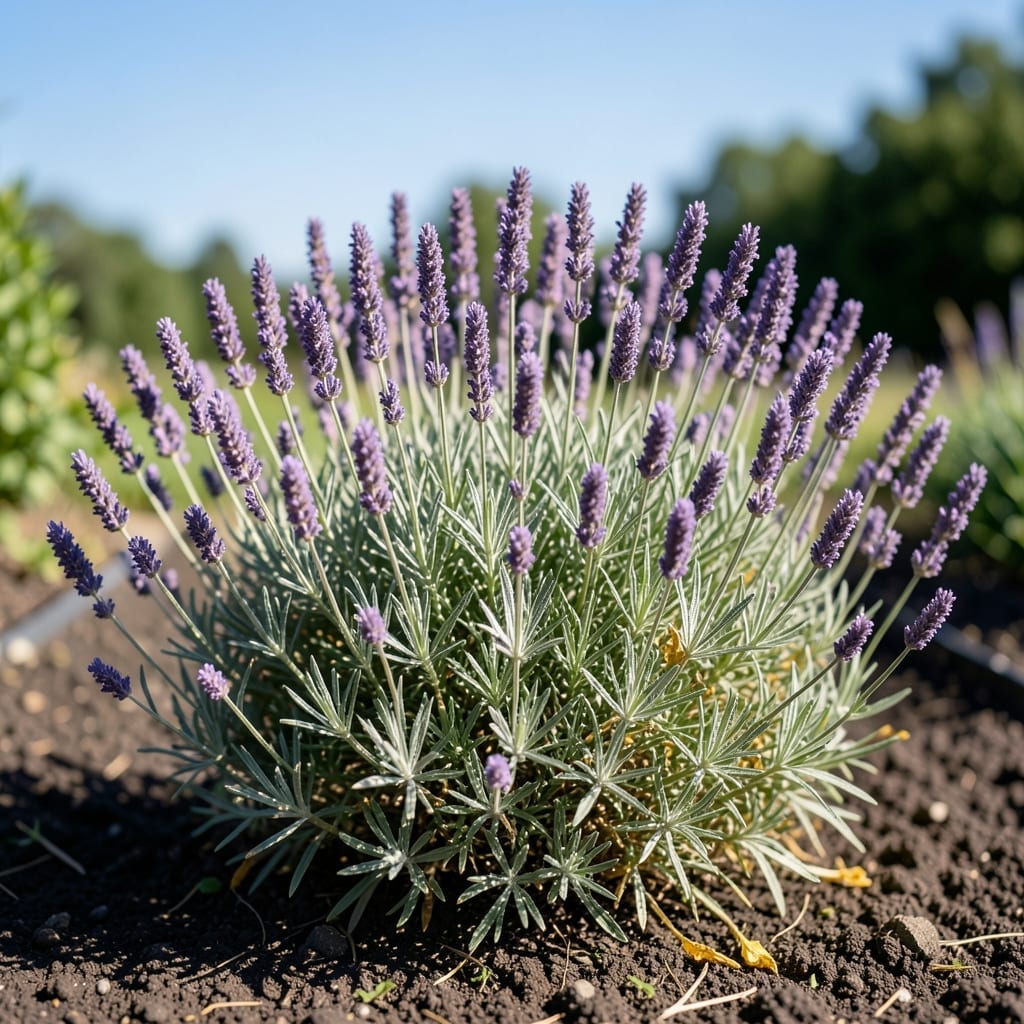
Yellow leaves on lavender always signal trouble, but it’s usually fixable. I’ve seen this happen too many times—often from overwatering or poor drainage, which suffocates the roots.
Sometimes it’s a nutrient imbalance or even a sneaky pest problem. The good news? Lavender is tough, and with a few adjustments, you can nurse it back to health.
Check the soil first—if it’s soggy, you’re likely watering too much. Lavender thrives in dry conditions, so let the soil dry out between waterings.
With the right care, those yellow leaves will turn green again, and your plant will reward you with fragrant, vibrant blooms.
Lavender plants turning yellow can be alarming, but understanding the root causes helps you fix the issue fast. Here are the most common reasons:
Lavender thrives in dry, well-drained soil. Excess water suffocates the roots, leading to root rot and yellowing leaves. The plant’s Mediterranean origins mean it prefers drought-like conditions over soggy soil. If your lavender sits in waterlogged earth or a pot without drainage holes, the roots can’t breathe, triggering chlorosis (yellowing due to nutrient uptake failure).
Yellow leaves often signal a lack of nitrogen, iron, or magnesium. Nitrogen deficiency causes uniform yellowing, while iron deficiency (common in alkaline soils) leads to yellowing between leaf veins. Lavender prefers low-fertility soil, but if your soil is extremely poor, a light application of compost or a balanced fertilizer can help—sparingly.
Lavender requires full sun (6+ hours daily). Insufficient light disrupts chlorophyll production, turning leaves yellow. If your plant is in a shady spot or overshadowed by taller plants, relocate it to a sunnier area. Even partial shade can stress lavender, especially in humid climates.
Extreme heat or cold can shock lavender, causing yellowing. While it’s drought-tolerant, prolonged high temperatures (above 90°F) without adequate water stress the plant. Conversely, frost damage in colder zones (below USDA Zone 5) can turn foliage yellow or brown. Mulching can help regulate soil temperature.
Infestations like spider mites, aphids, or whiteflies sap nutrients from leaves, causing yellow spots or mottling. Fungal diseases (e.g., Phytophthora root rot) from poor drainage also trigger discoloration. Inspect leaves for webbing, sticky residue, or black spots, and treat with neem oil or insecticidal soap if needed.
If your lavender is losing its vibrant purple, don’t panic—yellowing is often fixable. Below are targeted solutions for the most common causes, along with prevention tips to keep your plant thriving.
Lavender hates soggy roots. Stop watering immediately if the soil feels damp. Let the top 1-2 inches of soil dry out completely between waterings. Switch to a well-draining pot or amend garden soil with sand or gravel. Prevention tip: Water deeply but only once every 2-3 weeks (less in humid climates).
Lavender needs 6-8 hours of direct sunlight daily. Move potted plants to a sunnier spot or trim nearby foliage shading garden plants. South-facing windowsills work well indoors. Prevention tip: Rotate pots weekly for even light exposure.
Heavy or clay-rich soil suffocates roots. Mix in perlite, coarse sand, or compost to boost drainage. For containers, use a cactus/succulent blend. Prevention tip: Plant lavender in raised beds if your garden soil retains too much moisture.
Avoid high-nitrogen fertilizers—they promote leafy growth, not blooms. Instead, use a low-nitrogen, phosphorus-rich fertilizer (like 5-10-5) once in early spring. Yellow leaves from deficiency often recover in 2-3 weeks after treatment.
Spider mites or aphids can stress plants, causing yellowing. Spray leaves with neem oil or a mild soap-water mix (1 tsp dish soap per quart of water). Repeat every 5-7 days until pests are gone. Prevention tip: Prune regularly to improve airflow and deter pests.
💡 Pro Tip: Always prune yellow leaves back to healthy growth to redirect the plant’s energy. With the right fixes, your lavender should regain its deep green hues and fragrant blooms!
Water deeply but only every 2-3 weeks, less in humid climates. Always let the top 1-2 inches of soil dry out completely between waterings to prevent root rot.
Once lavender leaves turn yellow, they won’t revert to green. Prune them off to redirect energy to healthy growth. New leaves will appear green if the underlying issue is fixed.
Use well-draining, sandy soil with a pH of 6.5-8.0. Amend heavy soil with perlite or coarse sand, or use a cactus/succulent mix for containers.
Some yellowing can occur in cold climates (below USDA Zone 5). Protect with mulch and avoid watering during dormancy. Frost damage often appears as yellow or brown foliage.