
Beautiful Plants For Your Interior
Beautiful Plants For Your Interior
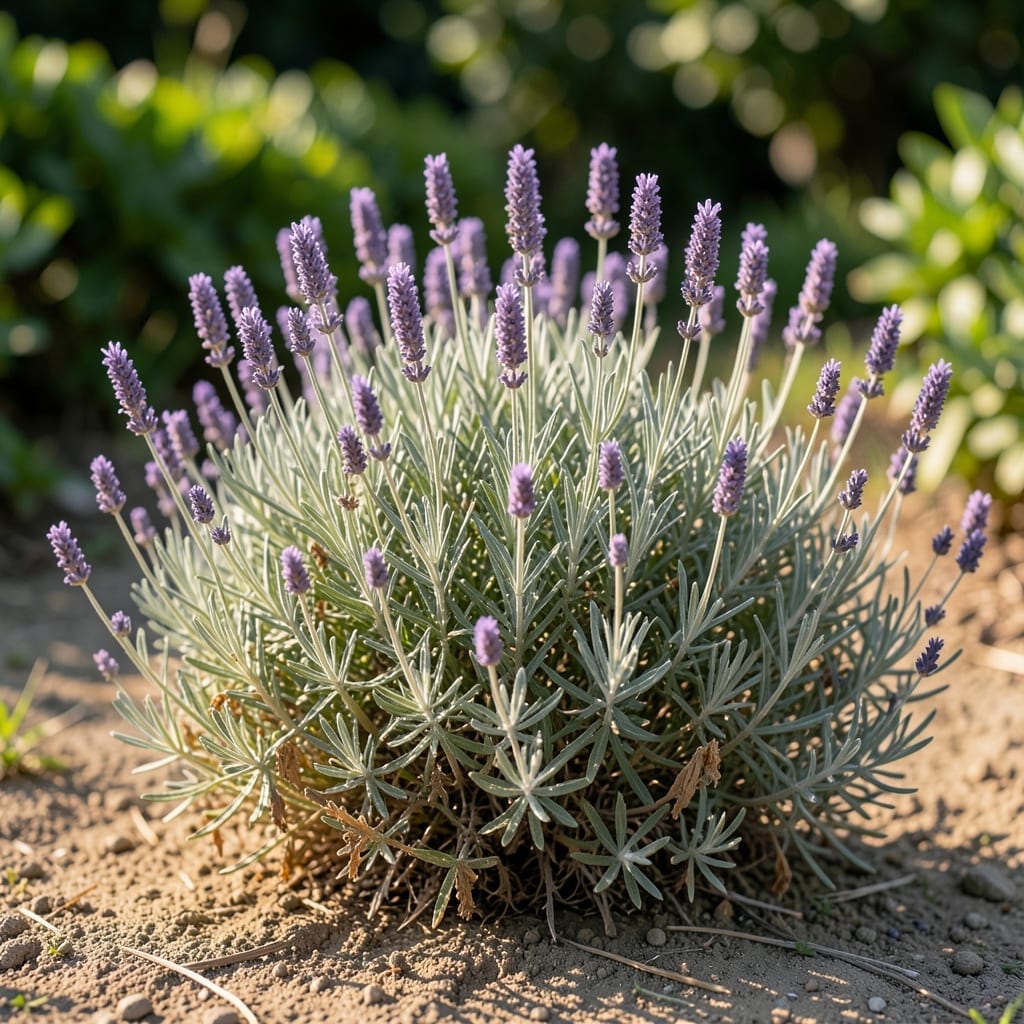
I’ve lost count of how many lavender plants I’ve killed with kindness. That slow brown creep up the stems always starts with the same mistake—too much water, not enough drainage.
Here’s the thing—lavender hates wet feet. The roots suffocate, rot sets in, and before you know it, your plant’s turning crispy from the bottom up. I learned this the hard way after watching 3 beautiful bushes die in a single rainy season.
The fix is simpler than you think. Stop watering, check your soil, and give those roots some air. Most lavender bounces back fast once the conditions are right.
Prevention is even easier. Plant in well-draining soil, use containers with holes, and let the earth dry out between waterings. Your lavender will thank you with fragrant blooms for years.
Lavender dying from the bottom up is often a sign of underlying stress, usually tied to root health or environmental conditions. Here’s a breakdown of the most common causes, explained with actionable insights:
Lavender is a Mediterranean native that thrives in dry, well-draining soil. When roots sit in soggy soil, they suffocate and rot, cutting off water and nutrient uptake. This often starts at the base, where stems turn brown and brittle. Fix it: Ensure pots have drainage holes, and use a sandy or gravelly soil mix. Water only when the top 1-2 inches of soil are completely dry.
Pathogens like Phytophthora or Pythium attack waterlogged roots, leading to black, mushy roots and wilting from the bottom. These fungi thrive in wet, compacted soil. Fix it: Remove affected roots with sterilized pruners, repot in fresh, sterile soil, and treat with a copper-based fungicide. Prevent recurrence by improving airflow and reducing humidity.
Dense clay or poorly aerated soil smothers lavender roots, preventing oxygen exchange. This stress weakens the plant, making it susceptible to rot and nutrient deficiencies. Fix it: Amend the soil with perlite, coarse sand, or compost to improve structure. For in-ground plants, consider raising the bed.
Lavender prefers warm, dry conditions. High humidity or cold, wet feet (especially in winter) can trigger dieback from the base. Fix it: Mulch with gravel (not organic material) to reduce moisture at the crown, and avoid overhead watering. In cold climates, plant in a sheltered, south-facing spot.
While lavender is low-maintenance, over-fertilizing (especially with nitrogen-heavy mixes) can cause weak, leggy growth that’s prone to collapse. Conversely, phosphorus deficiency may stunt root development. Fix it: Use a balanced, low-nitrogen fertilizer (5-10-10) sparingly, or opt for organic options like compost tea.
If your lavender is dying from the bottom up, quick action can save it. Here’s how to tackle the most common causes with simple, effective fixes.
Lavender hates soggy roots. If the soil stays wet, stop watering immediately and let it dry out. Repot the plant in well-draining soil mixed with sand or perlite. Use a pot with drainage holes or amend garden beds with gravel. Prevention tip: 💡 Water only when the top inch of soil is dry, and always avoid overhead watering.
If root rot is confirmed, trim away black, mushy roots with sterilized shears. Soak the remaining roots in a fungicide solution (or a mix of 1 part hydrogen peroxide to 10 parts water) for 10 minutes. Repot in fresh, dry soil and a clean container. Prevention tip: 🌡️ Space plants for airflow and avoid overcrowding to reduce humidity.
Dry, crispy lower leaves? Give your lavender a deep watering at the base, ensuring moisture reaches the roots. Mulch with gravel (not organic mulch) to retain moisture without trapping it. Prevention tip: ✨ Water in the early morning to minimize evaporation and stress.
Yellowing lower leaves may signal a lack of nutrients. Use a low-nitrogen, balanced fertilizer (like a 5-10-5 mix) sparingly—lavender thrives in poor soil. Over-fertilizing can harm it, so stick to once in spring. Prevention tip: 🎯 Test your soil annually to monitor nutrient levels.
Check for pests like aphids or spider mites on stems and leaves. Blast them off with water or apply neem oil or insecticidal soap. Isolate heavily infested plants to prevent spread. Prevention tip: 🔥 Encourage beneficial insects (like ladybugs) by planting companion herbs like rosemary or thyme nearby.
Root rot from overwatering is the most common culprit. When roots stay soggy, they suffocate and die, causing brown stems at the base. Check drainage and soil moisture first.
Yes, if caught early. Trim the black roots with sterilized shears, repot in fresh, dry soil, and treat with fungicide. Avoid watering for several days.
Only when the top 1-2 inches of soil are completely dry. In most climates, this means once every 2-3 weeks. Less is better than more.
Use a sandy, well-draining mix with perlite or coarse sand. Avoid dense, organic-rich soils that hold moisture. Raised beds or containers work best.