
Beautiful Plants For Your Interior
Beautiful Plants For Your Interior
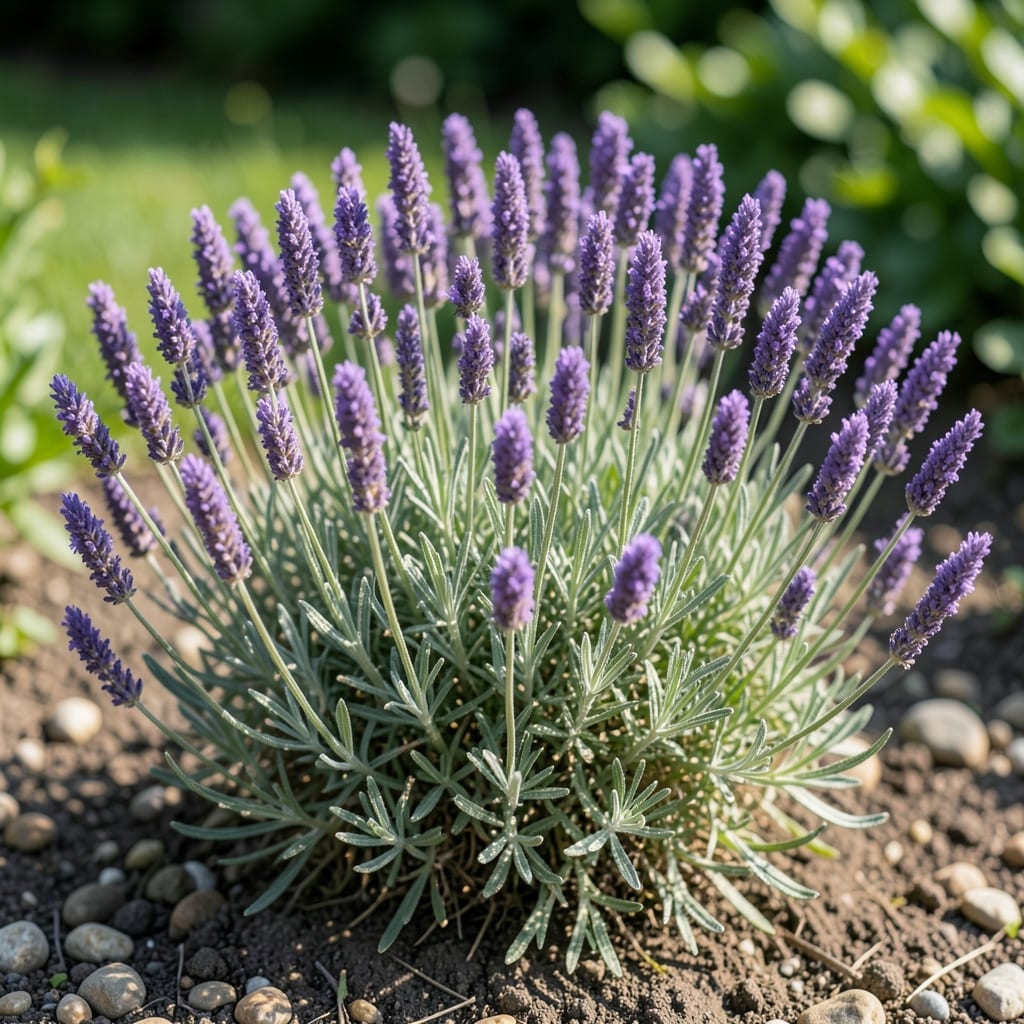
Watching 🟣 Lavender plants grow from tiny seeds to fragrant, flowering shrubs is a rewarding experience, but patience is key. This isn’t a race – it’s a journey that unfolds at its own steady pace.
Unlike some fast-growing annuals, lavender follows nature’s timeline. What starts as a small sprout will eventually transform into a beautiful, aromatic plant that can brighten any garden.
Discover the typical growth stages of lavender and learn what to expect as your plants develop from seedlings to full maturity. The wait is worth it.

If you’re wondering how fast lavender grows, the answer depends on your starting point. From seed, lavender follows a slow but rewarding development path that tests a gardener’s patience.
I’ve found that understanding each stage helps manage expectations. The journey from tiny seed to fragrant bloom is measured in months and years, not days or weeks.
| Stage | Timeframe | Key Development |
|---|---|---|
| Germination | 2-4 weeks | Sprouts appear |
| Seedling | 6-8 weeks | True leaves form |
| Vegetative Growth | 3-6 months | Stem and foliage growth |
| First Blooms | 1-2 years | Initial flowers appear |
| Mature Plant | 2-3 years | Full size and bloom |
The germination stage typically takes 2-4 weeks under ideal conditions. I recommend using a seed-starting mix and keeping the soil consistently moist but not soggy.
Once sprouted, the seedling stage lasts about 6-8 weeks. This is when you’ll see the first true leaves emerge, different from the initial seed leaves.
The vegetative growth phase is where most of the size increase happens. Over 3-6 months, your lavender will develop a strong root system and bushy foliage.
It’s exciting to watch the plant fill out during this period, but remember that lavender grows slowly. Don’t expect rapid size increases.
Patience is truly rewarded during the first blooming. Most lavender varieties grown from seed will produce their first flowers in 1-2 years. This is when you’ll start enjoying that signature fragrance.
Finally, after 2-3 years, your lavender will reach full maturity. At this stage, you can expect abundant blooms and the plant’s maximum height of about 2-3 feet. ☀️
Environmental factors play a big role in growth speed. Full sun exposure and well-draining soil can help your lavender grow at the faster end of these timeframes.
I’ve noticed that plants in warmer climates often develop more quickly than those in cooler areas. 🌱
If you’re eager to see your lavender thrive, there are natural ways to encourage faster growth. I’ve tested these methods in my own garden with great success.
While lavender grows at its own pace, providing optimal conditions can help it reach maturity sooner. The key is working with the plant’s natural preferences.
The best time to plant lavender is in early spring after the last frost. This gives the plant the entire growing season to establish itself.
I always recommend using sandy or gravelly soil for lavender. This mimics its native Mediterranean conditions and prevents waterlogging that can stunt growth.
Full sun exposure is non-negotiable for lavender. I’ve seen plants in partial shade grow slower and produce fewer blooms. Aim for at least 6 hours of direct sunlight daily.
When it comes to watering, deep but infrequent is the way to go. I water my lavender every 2-3 weeks, allowing the soil to dry out completely between waterings. 💧
Finally, annual pruning helps maintain shape and encourages new growth. I prune my lavender in early spring or just after flowering to keep it compact and healthy. ✂️