
Beautiful Plants For Your Interior
Beautiful Plants For Your Interior
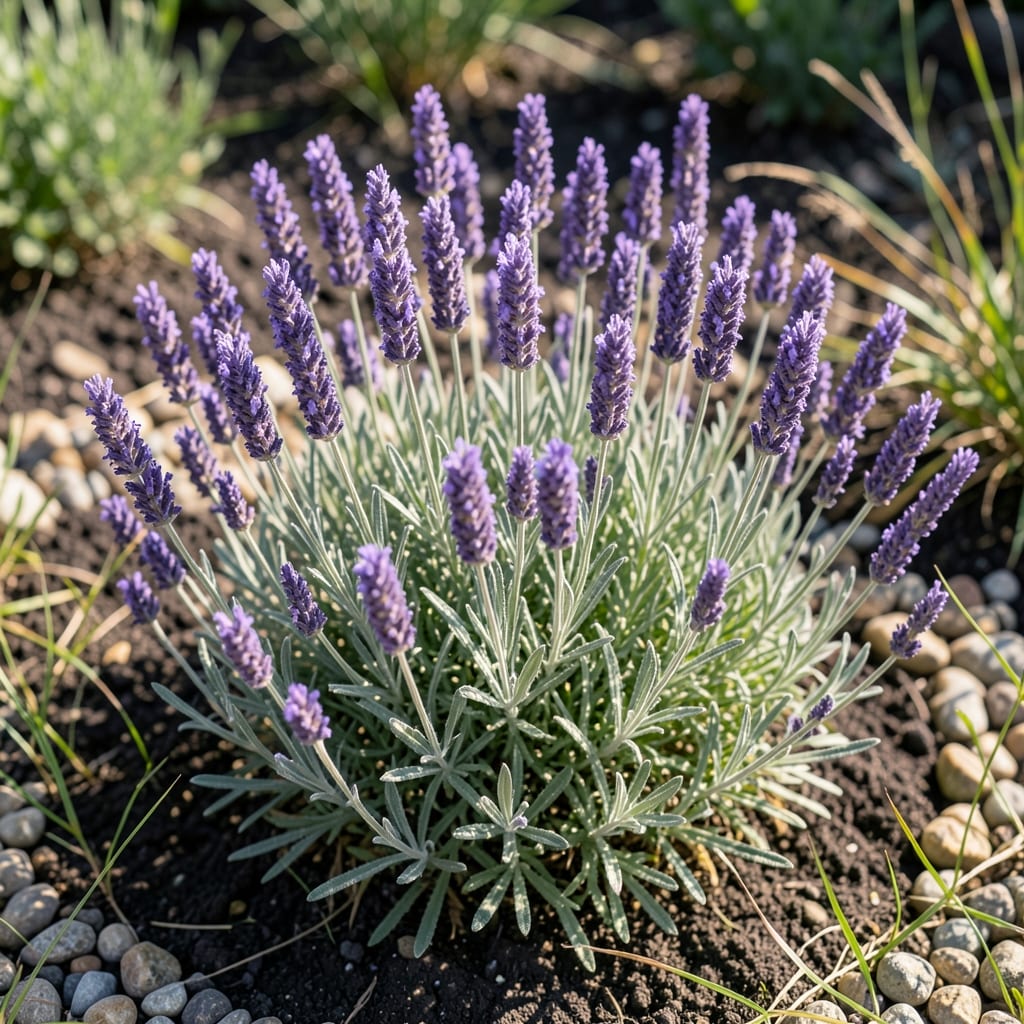
Spanish lavender leaves tell you more than the flowers ever could. Their silvery-green color and narrow shape signal exactly what the plant needs—full sun, sharp drainage, and a light touch with water.
I’ve learned to check the foliage first for signs of stress, pests, or incorrect care. Healthy leaves mean a thriving plant that will reward you with those iconic purple blooms and fragrant greenery all season long.
📚 In This Guide
Here’s the method I use to keep these plants thriving with healthy, aromatic foliage.
Begin by examining the leaves closely for signs of distress. Healthy foliage should appear vibrant green with no discoloration, spots, or curling edges. I look for any yellowing, which often signals overwatering or poor drainage, or brown tips that suggest underwatering or salt buildup.
Check the undersides of leaves for pests like spider mites or aphids, which love to hide in the fuzzy texture. A magnifying glass helps spot tiny intruders early. If you notice a white, powdery coating, that’s likely powdery mildew—a common issue in humid conditions.
These plants prefer dry conditions, so water only when the top 1-2 inches of soil feel completely dry. I use the finger test: push your finger into the soil up to the second knuckle. If it feels dry, it’s time to water; if it’s damp, wait another 2-3 days.
Always water at the base of the plant, avoiding the leaves to prevent fungal growth. A slow, deep watering once a week is better than frequent shallow watering, which encourages weak root systems. If your plant sits in saucer, empty it after watering to avoid root rot.
Place your plant where it receives full sun for at least 6-8 hours daily. If growing indoors, a south-facing window is ideal. I’ve found that without enough light, the leaves become leggy and lose their rich color and fragrance.
If natural light is limited, supplement with a full-spectrum grow light for 12-14 hours a day. Position the light 6-12 inches above the plant and adjust as it grows. Watch for leaves stretching toward the light—this is a clear sign they need more.
Prune back about one-third of the current year’s growth in early spring to encourage bushier, healthier foliage. I use clean, sharp shears and make cuts just above a leaf node to promote new growth. Remove any dead or diseased leaves immediately to prevent the spread of issues.
Avoid heavy pruning in the fall, as this can leave the plant vulnerable to winter damage. Light shaping throughout the growing season keeps the plant compact and full. After pruning, the new leaves should emerge within 3-4 weeks, looking fresh and vibrant.
Feed your plant sparingly with a balanced, organic fertilizer once in early spring and again in midsummer. I use a diluted liquid fertilizer at half the recommended strength to avoid overfeeding, which can lead to excessive leafy growth and reduced fragrance.
Too much fertilizer results in soft, weak leaves that are more susceptible to pests and disease. If you notice rapid but floppy growth, cut back on feeding. Organic options like compost tea or fish emulsion work well and are gentle on the plant’s sensitive root system.
Small adjustments in your care routine can make a big difference in keeping leaves vibrant and healthy.
Watering Wisdom: The 1-2 inches dry soil test in Step 2 is non-negotiable for these plants. I learned the hard way that overwatering causes yellowing faster than drought. If the soil is damp after the finger test, wait the full 2-3 days before checking again—patience prevents root rot.
Light Placement Tip: For Step 3, if using a grow light, keep it within 6-12 inches of the plant. I noticed leaves stretching even at 12 inches, so I adjusted closer. The 12-14 hours daily exposure mimics natural sunlight and keeps foliage compact and fragrant.
Pruning Precision: In Step 4, cutting back exactly one-third of growth encourages bushier regrowth. After pruning, I mark my calendar for 3-4 weeks later—that’s when fresh leaves appear. Always sterilize shears between cuts to prevent disease spread.
Fertilizer Caution: Step 5’s half-strength rule exists for a reason. I once used full strength and the new growth was weak and pest-prone. Organic fertilizers like compost tea work best because they’re gentle on the sensitive root system.
Yes! Dried leaves can be steeped for a soothing herbal tea. Use 1 tsp per cup, steep for 5-10 minutes, and enjoy. Avoid excessive consumption, as it may cause mild digestive discomfort.
Hang bundles upside down in a dark, dry, well-ventilated area for 1-2 weeks. Alternatively, spread leaves on a tray and dry in a low oven (100°F) for 2-3 hours. Store in an airtight container.
Yellow leaves often signal overwatering or poor drainage. Try reducing water, improving soil drainage, or adding compost. If pests are the issue, neem oil or insecticidal soap can help.
Harvest leaves in the morning after the dew dries, ideally during the plant’s active growth phase (spring to early summer). This ensures the highest concentration of oils and flavor.
Curling leaves may indicate underwatering, excessive heat, or pest stress. Check soil moisture, provide shade during peak sun, and inspect for aphids or spider mites.