
Beautiful Plants For Your Interior
Beautiful Plants For Your Interior
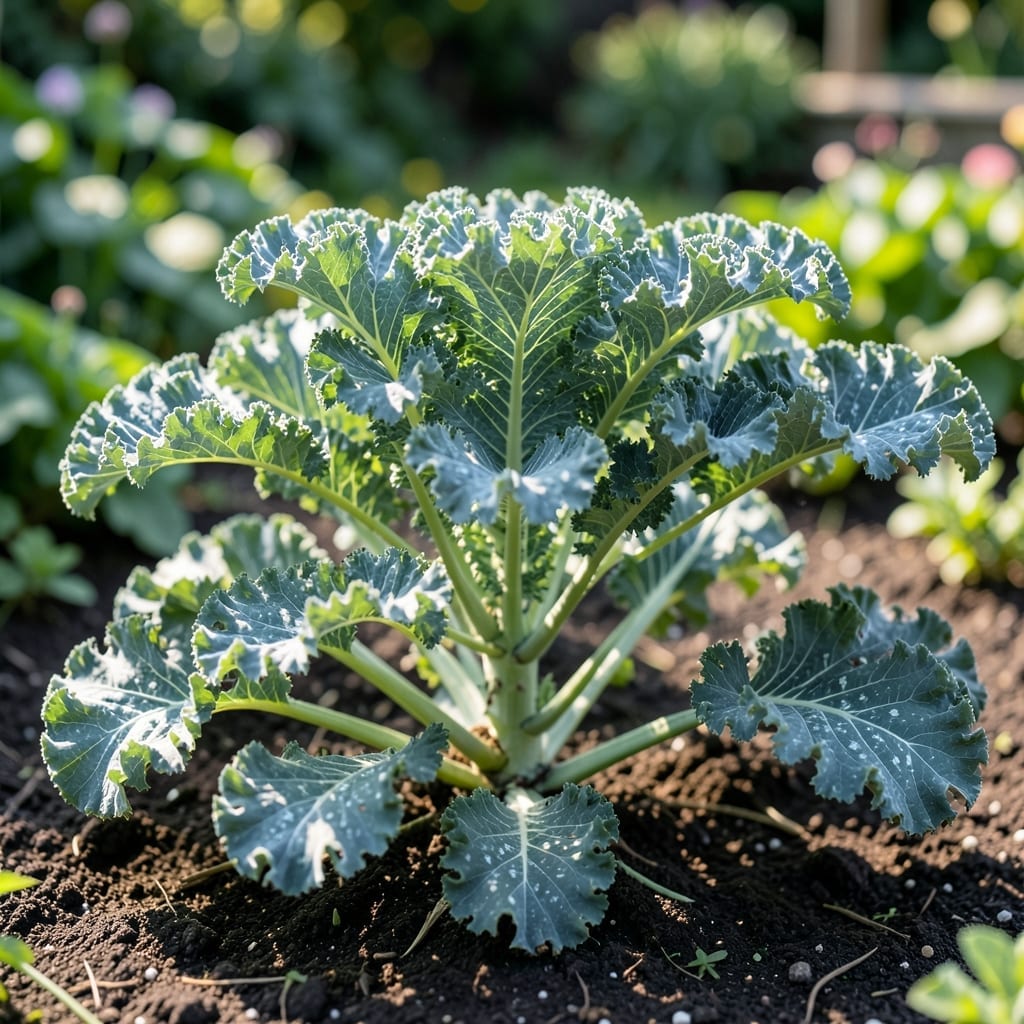
White spots on your kale leaves aren’t just unsightly—they’re a distress signal. I’ve dealt with this issue across three growing seasons, and each time it’s been a different culprit.
Sometimes it’s powdery mildew, other times it’s aphids or a nutrient imbalance. The good news? All three respond well to early intervention. A simple inspection with a magnifying glass reveals which pest or disease you’re facing.
You’ll restore healthy green leaves with targeted solutions that range from organic sprays to soil amendments. The key is acting before the problem spreads to neighboring plants.
Works for garden beds, raised planters, or container kale. Let’s diagnose and fix this together.
White spots on kale leaves can stem from several underlying issues, each with distinct triggers. Below are the most common causes, explained with actionable insights.
Powdery mildew (Erysiphe spp.) thrives in humid, warm conditions (60–80°F) and appears as white, powdery patches. Spores spread via wind or water, germinating on dry leaves. Overcrowded plants or poor airflow exacerbate this. Action: Improve ventilation, avoid overhead watering, and apply neem oil or sulfur-based fungicides preventatively.
Mealybugs leave cottony white clusters on leaf undersides, while spider mites create stippled white or yellow spots. Both sap-sucking pests weaken kale and promote secondary infections. Action: Blast pests off with water, introduce ladybugs (natural predators), or use insecticidal soap for severe cases.
White or yellow interveinal spots (between veins) often signal calcium (tip burn) or magnesium deficiency. Poor soil pH (below 6.0) or excessive potassium can block uptake. Action: Test soil and amend with lime (for calcium) or Epsom salt (for magnesium).
Edema (tiny white blisters) occurs when roots absorb water faster than leaves can transpire, often in cool, humid nights followed by sunny days. Sun scald causes bleached patches from intense UV exposure. Action: Mulch to regulate soil moisture, provide shade cloth during heatwaves, and ensure consistent watering.
White spots on kale can stem from various causes, but each has a straightforward fix. Here’s how to tackle the most common issues:
If the spots look like a dusty white coating, prune crowded leaves to boost circulation. Spray affected leaves with a mix of 1 tablespoon baking soda, 1 teaspoon dish soap, and 1 gallon of water. Reapply every 5–7 days. Prevention tip: 💡 Space plants 18–24 inches apart and water at the base to keep foliage dry.
For white spots caused by aphids or mealybugs, blast them off with a strong stream of water or wipe leaves with a cotton swab dipped in rubbing alcohol. Introduce beneficial insects like ladybugs for long-term control. Prevention tip: ✨ Interplant kale with pest-repelling herbs like dill or mint.
Hard water or overhead irrigation can leave chalky residues. Switch to drip irrigation or water in the early morning so leaves dry quickly. If deposits persist, rinse leaves gently with distilled water. Prevention tip: 🌡️ Use a rain barrel to collect soft water for irrigation.
For stubborn fungal spots, apply neem oil or copper-based fungicide according to package instructions. Remove severely infected leaves to prevent spread. Prevention tip: 🎯 Rotate crops yearly and avoid planting kale in the same spot repeatedly.
Act fast at the first sign of trouble, and your kale will bounce back with vibrant, spot-free leaves!
Small white spots from powdery mildew or pests are safe if washed. Avoid eating heavily infected leaves. Rinse leaves thoroughly with 1 part vinegar to 3 parts water to kill spores.
Isolate affected plants immediately. Remove and destroy infected leaves to stop the spread. Improve airflow by spacing plants 18-24 inches apart.
Yes, especially with poor air circulation or overwatering. Use a small fan for airflow and water only when the top 1 inch of soil is dry.
For powdery mildew, spray with 1 tablespoon baking soda in 1 gallon of water. For pests, use insecticidal soap every 3 days until gone.