
Beautiful Plants For Your Interior
Beautiful Plants For Your Interior
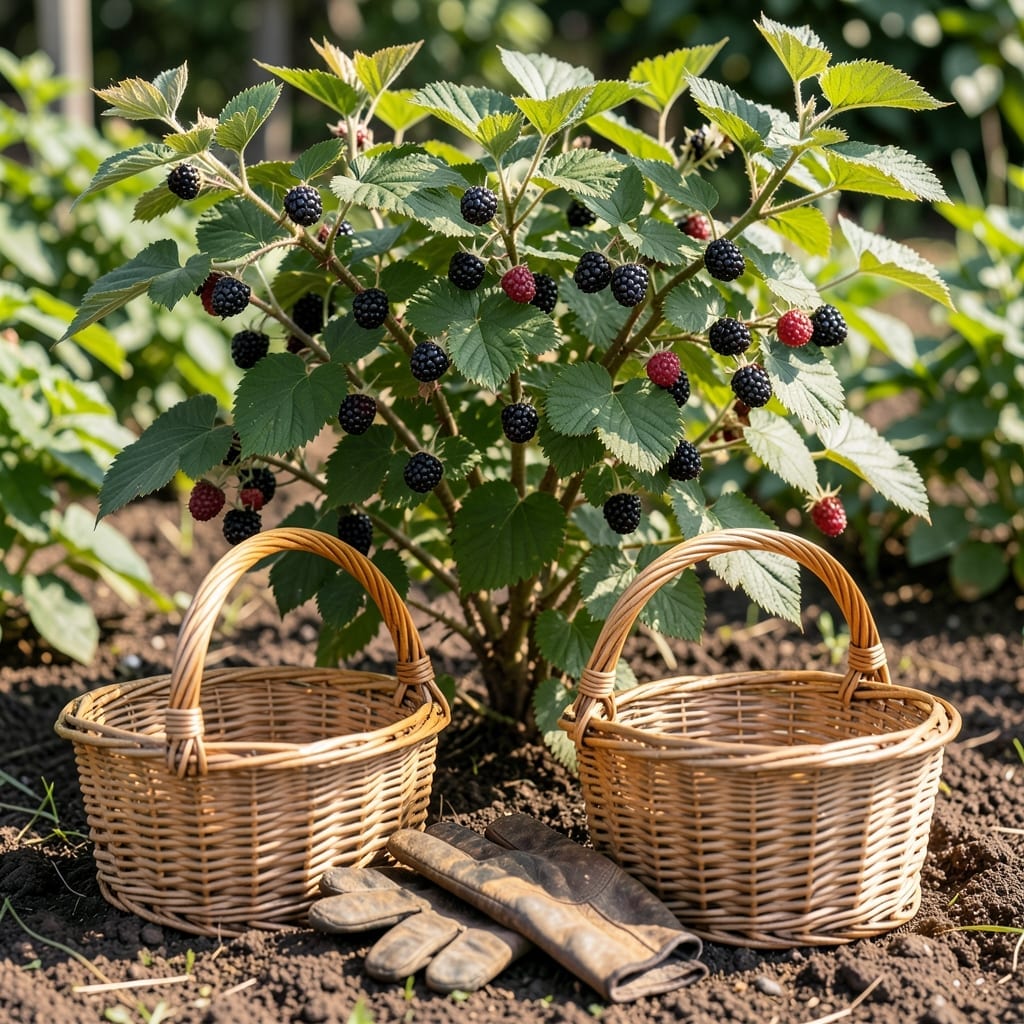
Jewel black raspberries changed my summer harvests forever. These hardy canes produce sweet-tart berries that outshine store-bought varieties every time.
They thrive with minimal fuss once established, tolerating colder climates better than most raspberries. You’ll get reliable yields with proper pruning and a sunny spot. The deep purple-black fruit is worth the 2-3 years to full production.
📚 In This Guide
Here’s the method I use to establish healthy, productive canes that thrive for years with minimal fuss.
Choose a location with full sun to partial shade—this variety tolerates less light but fruits best with 6+ hours of direct sun. Test soil drainage first by digging a 12-inch hole and filling it with water. If it drains within 1 hour, you’re good. If water pools, amend with compost or choose a raised bed.
Jewel black raspberries prefer slightly acidic soil (pH 5.5-6.5). I test mine with a simple kit from the garden center. Work in 2-3 inches of organic matter like aged compost into the top 6 inches of soil to improve fertility and structure before planting.
Space plants 2-3 feet apart in rows 6 feet apart. This gives each cane room to spread while allowing air circulation that prevents fungal issues. Mark your spots with stakes so you don’t accidentally crowd them during planting.
For bare-root plants, soak the roots in lukewarm water for 1-2 hours before planting to rehydrate them. Dig a hole just deep enough to accommodate the roots without bending. Spread the roots outward in the hole—they should fan out naturally, not coil.
Set the plant so the crown (where roots meet stems) sits 1-2 inches above soil level. This prevents rot and encourages new cane growth from the base. Backfill with native soil, firming gently as you go to eliminate air pockets.
Water immediately with 1 gallon per plant to settle the soil. I create a shallow basin around each plant to help direct water to the roots during the first growing season. Don’t fertilize at planting—wait until you see new growth.
Jewel black raspberries produce long, arching canes that need support to prevent fruit from touching the ground. Install a T-trellis or wire trellis system 5-6 feet tall at planting. I use 12-gauge wire stretched between sturdy 4×4 posts set 20 feet apart.
Space wires 18-24 inches apart vertically, starting 2 feet above ground. As new canes emerge in spring, train them to grow between the wires in a fan shape. This keeps the planting neat and makes harvesting easier.
Secure canes with soft ties—old nylon stockings work well—as they grow. Remove any canes that emerge outside your designated row to maintain order and prevent the patch from spreading uncontrolled.
After the first harvest (usually in the second year), prune out all canes that bore fruit. These biennial canes will die back naturally, but removing them immediately prevents disease and makes room for new growth. I do this right after harvest using clean pruners.
Thin new canes in early summer to 4-6 strong canes per plant. Remove weak, diseased, or crowded growth at ground level. This improves air circulation and directs energy to the most productive canes.
Apply a 2-3 inch layer of mulch around plants each spring to retain moisture and suppress weeds. I use straw or wood chips, keeping mulch 3 inches away from the crown to prevent rot. Water consistently during fruit set, aiming for 1-1.5 inches per week.
Small details in planting and care make a huge difference with Jewel black raspberries.
Site Selection Insight: The 6+ hours of direct sun mentioned in Step 1 isn’t just a suggestion—it’s critical for maximum fruit production. I’ve seen plants in partial shade produce significantly fewer berries. If your garden has limited sun, prioritize the sunniest spot you have for these canes.
Drainage Test Tip: That 1-hour drainage test in Step 1 is your best insurance against root rot. If water doesn’t drain within exactly 1 hour, don’t risk it—amend with compost or use a raised bed. I learned this the hard way after losing several plants to soggy soil.
Planting Depth Matters: In Step 2, setting the crown 1-2 inches above soil level isn’t just good practice—it’s essential. Planting too deep causes rot, while too shallow exposes roots. I use a ruler to measure this precisely when planting bare-root canes after their 1-2 hour soak.
Trellis Timing: Install that 5-6 foot trellis system during planting as Step 3 suggests. Waiting until later makes it harder to train established canes without damaging them. The 18-24 inch wire spacing is perfect for supporting the arching growth habit of this variety.
Ensure good air circulation, avoid overhead watering, and remove diseased canes immediately. Apply fungicides preventatively if your area has a history of raspberry diseases like anthracnose or cane blight.
Early spring or late fall is ideal, as it allows roots to establish before extreme temperatures. Plant in well-draining soil with full sun exposure for optimal growth and fruit production.
Consider ‘Bristol’ or ‘Plum Perfect’ for similar hardiness and flavor. If you prefer thornless varieties, ‘Natchez’ or ‘Ouachita’ blackberries are excellent substitutes with comparable care needs.
Yellowing leaves often indicate nutrient deficiencies (e.g., nitrogen or iron) or overwatering. Test soil pH (ideal: 5.5–6.5) and adjust fertilization or drainage as needed.
Prune infected canes, improve airflow, and apply sulfur-based or neem oil fungicides. Avoid wet foliage and space plants properly to reduce humidity, which encourages mildew growth.