
Beautiful Plants For Your Interior
Beautiful Plants For Your Interior
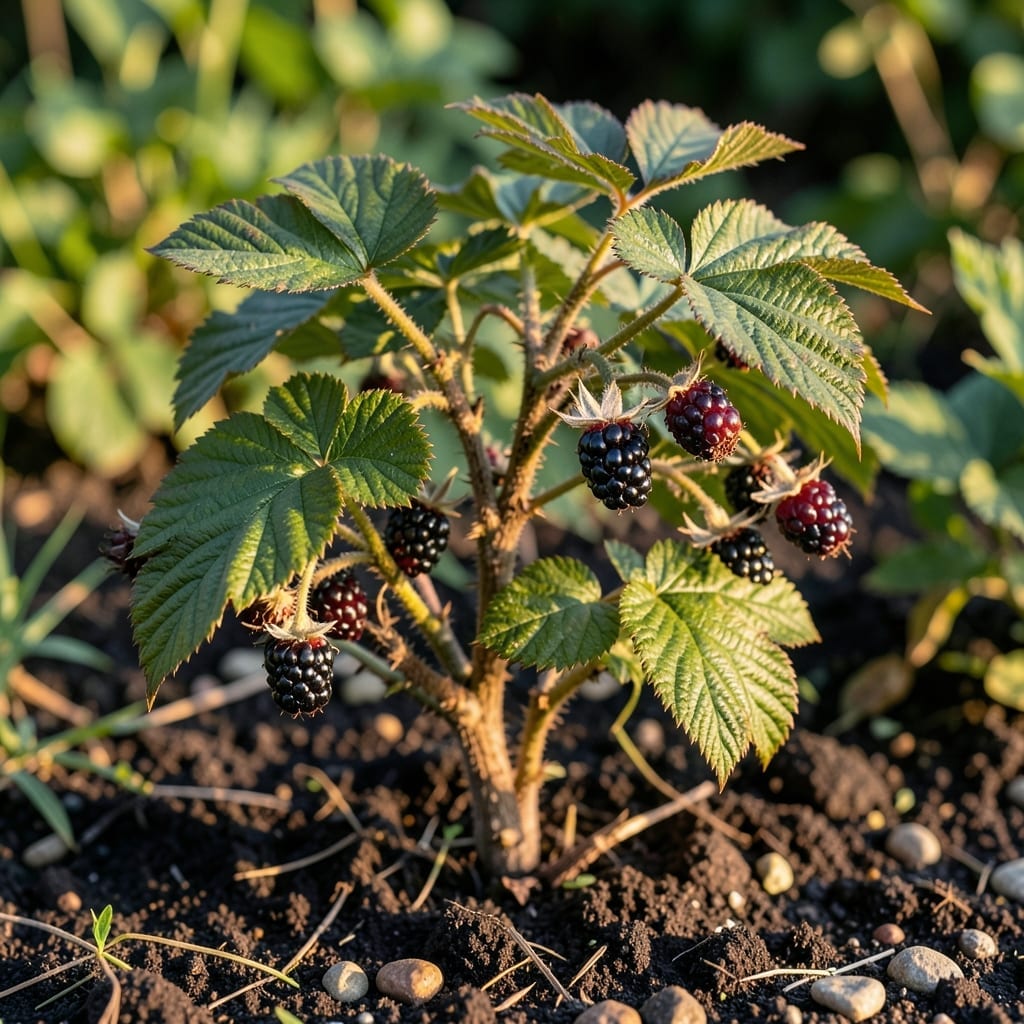
Healthy black raspberry leaves mean bigger harvests and stronger plants. I learned this the hard way after losing half my crop to leaf spot one season.
The leaves do more than photosynthesize—they protect fruit from sunscald and signal when your plants need water or nutrients. Get this right, and you’ll see darker berries with sweeter flavor.
📚 In This Guide
Here’s the method I trust for robust plants and a bountiful leaf harvest every season.
Choose a location with full sun to partial shade, as black raspberries thrive in 6-8 hours of sunlight daily. The soil should be well-draining and rich in organic matter. I always test the soil pH first—black raspberries prefer a range of 5.5-6.5 for optimal nutrient uptake.
Amend the soil with compost or aged manure to improve fertility and structure. Work it into the top 12 inches of soil to ensure roots have plenty of room to establish. Avoid heavy clay or waterlogged areas, as these can stunt growth and lead to root rot.
Dig a hole slightly larger than the root ball, spacing plants 3-4 feet apart to allow for air circulation and future growth. Place each cane in the hole so the crown sits 1-2 inches above the soil line—this prevents rot and encourages strong root development.
Backfill the hole with soil, gently pressing it down to remove air pockets. Water deeply after planting to settle the soil around the roots. I’ve found that mulching with 2-3 inches of straw or wood chips helps retain moisture and suppress weeds, which is critical in the first few weeks.
Keep the soil consistently moist but not soggy during the first growing season. Water at the base of the plant, avoiding the leaves to reduce the risk of fungal diseases. Aim for 1-2 inches of water per week, adjusting based on rainfall and soil conditions.
Fertilize lightly in early spring with a balanced 10-10-10 fertilizer, following package instructions for application rates. Over-fertilizing can lead to excessive leafy growth at the expense of fruit production. Monitor the plants closely—yellowing leaves often signal a nutrient deficiency or overwatering.
Prune black raspberry canes in late winter or early spring to remove any dead, damaged, or diseased wood. Thin out weaker canes to allow light and air to reach the center of the plant. This step is non-negotiable for preventing overcrowding and ensuring a healthy leaf harvest.
Use a trellis or support system to keep canes upright, which improves air circulation and reduces disease risk. Tie canes loosely to the support with soft twine or gardening tape, allowing room for growth. I prune my plants to 4-6 strong canes per hill to maintain vigor and productivity.
Black raspberry leaves are best harvested in the morning when their essential oils are most concentrated. Pick leaves that are fully mature but still tender, typically in late spring to early summer. Avoid harvesting leaves from first-year canes, as these are still establishing and need their foliage for growth.
Use clean, sharp scissors to snip leaves from the plant, taking care not to damage the stems or surrounding foliage. Harvest sparingly—never remove more than one-third of the leaves at a time—to ensure the plant remains healthy and productive. Dry the leaves immediately in a well-ventilated area to preserve their quality.
These insights will help you avoid common pitfalls and get the most from your plants.
The Sunlight Factor: Black raspberries need that 6+ hours of direct sunlight daily mentioned in Step 1. I learned the hard way that less than this leads to weak, spindly growth. If your space only gets partial shade, position plants where they’ll catch morning sun, which is gentler than harsh afternoon rays.
Planting Depth Secret: In Step 2, keeping the crown 1-2 inches above soil level is non-negotiable. I once buried mine too deep, and the canes struggled to establish. The shallow planting allows the roots to spread while preventing the crown from rotting in moist soil.
Watering Wisdom: The 1-2 times per week watering schedule in Step 3 works best with a finger test. Stick your finger 1-2 inches into the soil—if it feels dry, water deeply. Drip irrigation is ideal, but if hand-watering, aim for the base of the plant to keep foliage dry and disease-free.
Pruning Precision: When thinning to 4-6 canes per plant in Step 4, be ruthless. I used to hesitate, leaving too many canes, which resulted in overcrowding and poor air circulation. The fewer, stronger canes you keep, the healthier your plants will be and the better your leaf harvest.
Yes! Black raspberry leaves make a delicious, caffeine-free herbal tea. Simply steep 1-2 teaspoons of dried leaves in hot water for 5-10 minutes. Many enjoy it for its mild, earthy flavor and potential health benefits.
Harvest leaves in late spring or early summer when they’re vibrant and free of pests. Avoid picking after heavy rain or if the plant shows signs of disease. Morning harvests often yield the freshest leaves.
Watch for aphids, spider mites, and raspberry cane borers. Regularly inspect leaves for yellowing, holes, or webbing. Use organic neem oil or insecticidal soap for early treatment.
Absolutely! The leaves produce a soft green or yellow dye. Simmer them in water for 30 minutes, strain, and use the liquid to dye fabrics or Easter eggs naturally.
Yellow leaves may signal overwatering, nutrient deficiency, or fungal disease. Check soil moisture, ensure proper drainage, and apply a balanced fertilizer if needed. Remove affected leaves to prevent spread.