
Beautiful Plants For Your Interior
Beautiful Plants For Your Interior
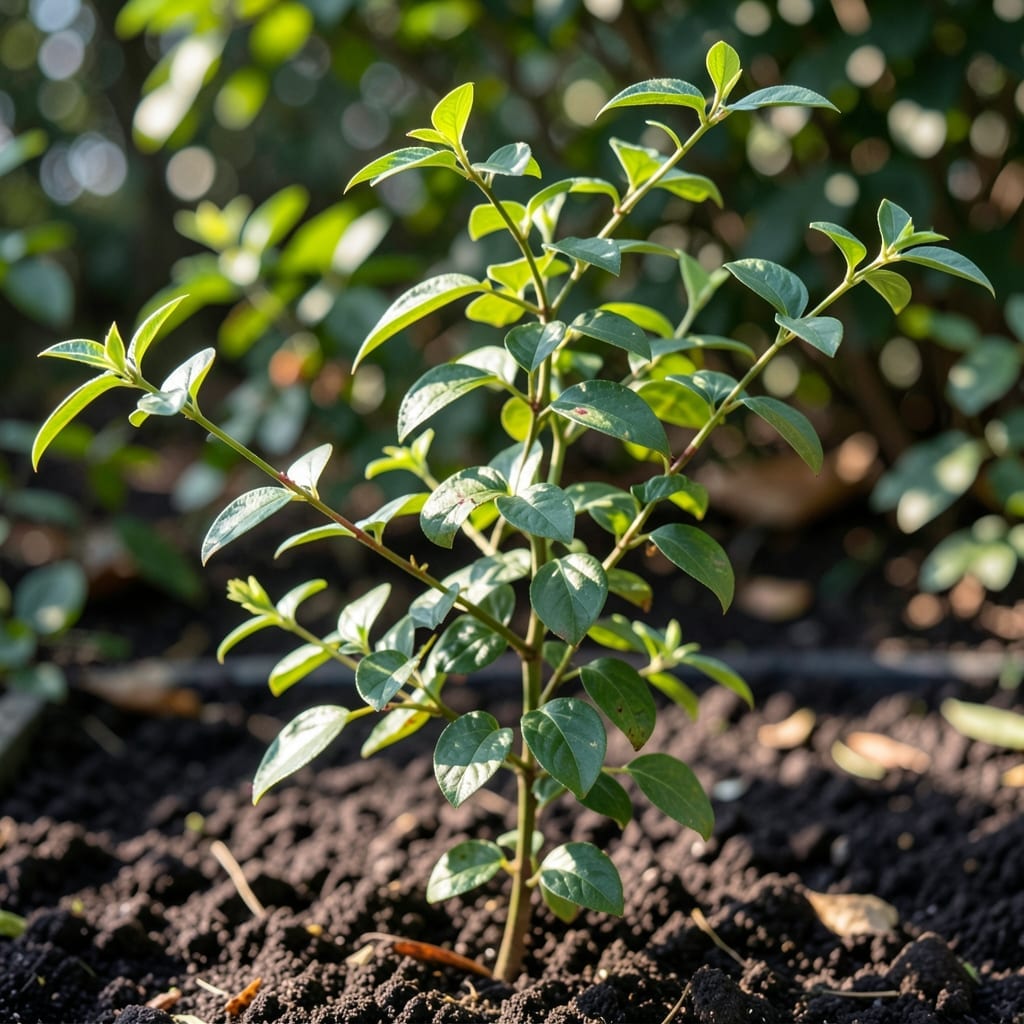
Red leaves on your jasmine aren’t just unsightly—they’re a distress signal. I’ve seen this happen when plants scream for help after weeks of neglect or sudden changes in their environment.
The usual suspects are nutrient deficiencies, water stress, or temperature swings. My jasmine perked up within 2 weeks of adjusting its care, but catching the issue early makes all the difference.
You’ll want to check the soil, inspect for pests, and review your watering habits. The fix is often simpler than you think, and the plant rewards you with lush, green growth once it recovers.
Prevention starts with consistent care and watching for subtle changes. Here’s how to diagnose and revive your plant before the damage spreads.
Jasmine leaves turning red often signal an underlying issue affecting the plant’s health. Below are the most common causes, each with a clear explanation and actionable insight.
A lack of essential nutrients, particularly phosphorus or magnesium, can cause reddening in jasmine leaves. Phosphorus deficiency often appears as a deep red or purple tint on older leaves, while magnesium deficiency may cause interveinal redness. Test your soil with a kit to confirm deficiencies, and amend it with organic fertilizers like bone meal (for phosphorus) or Epsom salt (for magnesium).
Extreme temperatures, either too hot or too cold, can stress jasmine plants, leading to red leaves. Jasmine thrives in 60–75°F (15–24°C) during the day. If exposed to temperatures below 40°F (4°C) or above 90°F (32°C), the plant may develop red pigmentation as a stress response. Move potted jasmine indoors during temperature extremes or provide shade during heatwaves.
Excessive moisture or poorly draining soil can suffocate roots, reducing their ability to absorb nutrients. This often results in red or yellowing leaves. Ensure your jasmine is planted in well-draining soil, and water only when the top inch of soil feels dry. Consider repotting if the current container lacks drainage holes.
While jasmine loves bright light, too much direct sunlight—especially in hot climates—can scorch leaves, turning them red or bronze. Provide dappled shade during peak afternoon hours if you notice signs of sunburn. A sheer curtain or strategic placement under a tree can help filter intense light.
If your jasmine plant’s leaves are turning red, act fast with these targeted fixes for each common cause. Early treatment can restore vibrant green foliage and keep your plant thriving.
Red leaves often signal a lack of phosphorus or magnesium. Fix: Apply a balanced, organic fertilizer (10-10-10) or a phosphorus-rich amendment like bone meal. For magnesium, use Epsom salt (1 tablespoon per gallon of water) as a foliar spray every 2 weeks. Prevention: Test soil annually and amend with compost to maintain nutrient balance.
Extreme heat or cold can stress jasmine, leading to reddening. Fix: Move potted plants to a shaded area during heatwaves or indoors if temperatures drop below 40°F (4°C). For in-ground plants, mulch heavily to insulate roots. Prevention: Plant jasmine in a location with stable temperatures and provide afternoon shade in hot climates.
Root rot from soggy soil can cause red leaves. Fix: Stop watering immediately and let the soil dry out. Repot the plant in fresh, well-draining soil with perlite or sand mixed in. Trim any black, mushy roots before replanting. Prevention: Water only when the top 1-2 inches of soil are dry, and ensure pots have drainage holes.
Spider mites and aphids can stress plants, leading to discoloration. Fix: Spray leaves with a mix of water and mild soap (1 teaspoon per quart) or neem oil (1 tablespoon per gallon) every 3-4 days until pests are gone. Prevention: Inspect leaves regularly and encourage beneficial insects like ladybugs.
Too much direct sunlight can scorch leaves, turning them red or brown. Fix: Relocate the plant to a spot with bright, indirect light. Prune damaged leaves to redirect energy to healthy growth. Prevention: Gradually acclimate jasmine to sunlight and use shade cloth if needed.
With these steps, your jasmine’s leaves should return to their lush green color in a few weeks. Stay consistent with care to prevent future issues!
Not always. Some jasmine varieties naturally develop reddish tones in cooler weather. But sudden or widespread reddening usually signals stress from nutrients, water, or temperature issues.
With proper care, new growth typically appears green within 2-3 weeks. Damaged leaves may not recover fully, but pruning them helps the plant focus on healthy foliage.
Hard tap water can worsen issues like magnesium deficiency. Use filtered or rainwater instead. If tap water is your only option, let it sit out overnight to allow chlorine to evaporate.
No—over-fertilizing can burn roots and stress the plant further. Test soil first, then apply a balanced fertilizer at half strength. Always follow package instructions for frequency.