
Beautiful Plants For Your Interior
Beautiful Plants For Your Interior
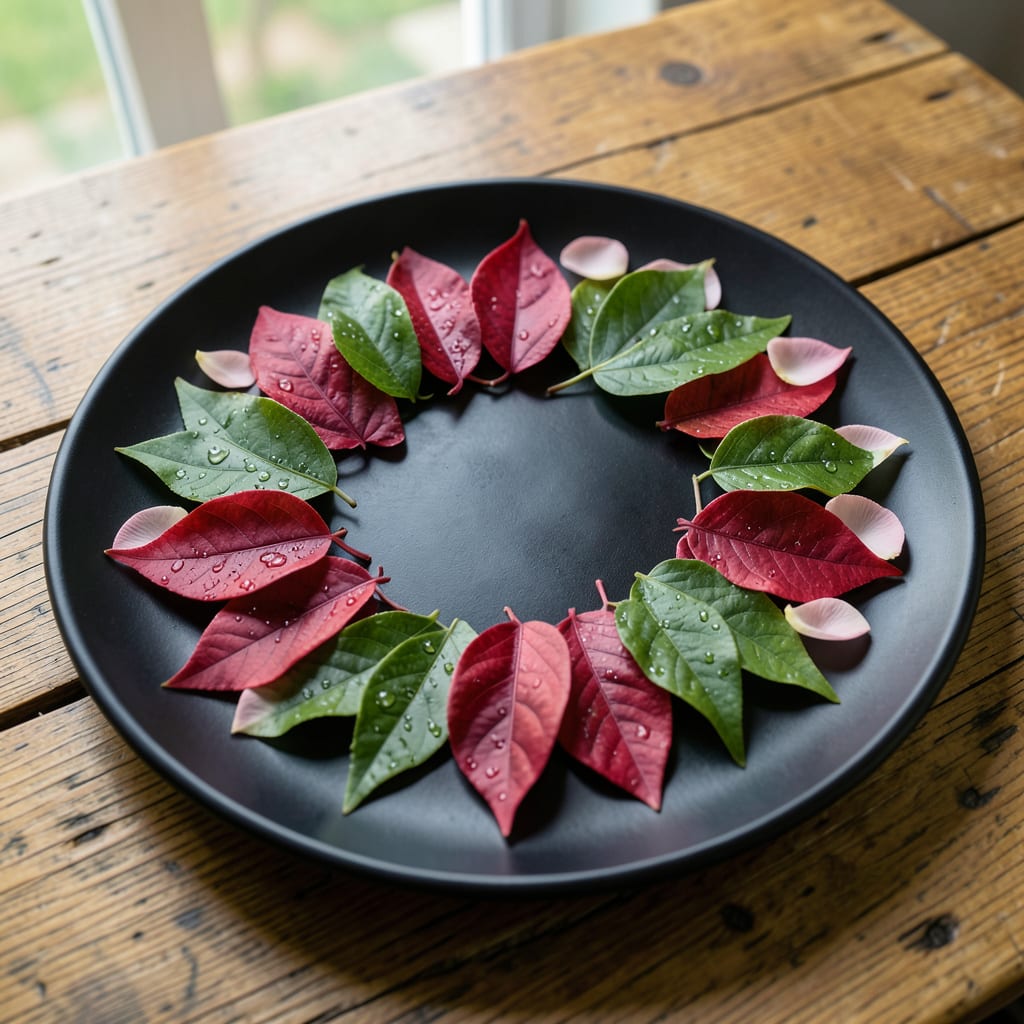
Red leaves on your jasmine aren’t just unsightly—they’re a cry for help. I’ve seen this happen to my own plants, and it always comes down to one of three culprits: nutrient imbalance, environmental stress, or pest pressure.
Most often, it’s phosphorus deficiency or too much direct sun turning those leaves crimson. But don’t jump to conclusions—yellowing edges or spots point to different issues. A quick soil test and close inspection can save your plant.
With the right fix, new growth returns to that vibrant green within 2-3 weeks. The solution might be as simple as adjusting your watering routine or adding a balanced fertilizer.
Works for potted jasmine, garden plants, and even indoor varieties. Let’s diagnose and fix this before it spreads.
Jasmine leaves turning red often signal underlying stress or imbalances. Below are the most common causes, explained with actionable insights.
Extreme heat or cold disrupts chlorophyll production, the green pigment in leaves. When temperatures exceed 90°F (32°C) or drop below 50°F (10°C), jasmine plants may develop red or bronzed foliage as a survival response. Prolonged exposure can also damage cell membranes, accelerating discoloration.
Both overwatering and underwatering can trigger red leaves. Overwatering suffocates roots, reducing nutrient uptake and leading to oxygen deprivation. Underwatering, on the other hand, causes dehydration stress, forcing the plant to prioritize survival over healthy foliage. Aim for consistently moist—but not soggy—soil.
A lack of key nutrients, particularly phosphorus (P) or magnesium (Mg), often manifests as red or purple-tinged leaves. Phosphorus deficiency typically affects older leaves first, while magnesium deficiency starts at the leaf margins. Test your soil and amend with a balanced fertilizer or Epsom salt (for magnesium) as needed.
While jasmine loves sunlight, intense, direct UV rays can scorch leaves, turning them red or brown. This is especially common in younger plants or those abruptly moved to full sun. Provide partial shade during peak afternoon hours to prevent photo-oxidative stress.
Pathogens like Phytophthora or Xanthomonas can cause leaf reddening as part of their disease progression. Look for accompanying symptoms such as spots, wilting, or leaf drop. Improve air circulation, avoid overhead watering, and apply copper-based fungicides if infections are confirmed.
If your jasmine leaves are turning red, act fast with these targeted fixes. Each solution addresses a specific cause to restore your plant’s vibrant green foliage.
Move your jasmine to a spot with bright, indirect light or provide afternoon shade. If outdoors, use shade cloth during peak sun hours. Water deeply in the morning to prevent heat stress.
Prevention: Acclimate plants gradually to new light conditions. Mulch the base to retain soil moisture.
Check soil moisture by sticking your finger 2 inches deep. If dry, water thoroughly until it drains from the bottom. If soggy, let the soil dry out and improve drainage by adding perlite or sand.
Prevention: Use a well-draining potting mix and water only when the top inch of soil is dry.
A balanced, water-soluble fertilizer (10-10-10 or 20-20-20) can correct deficiencies. Feed every 4-6 weeks during the growing season. For severe cases, use a foliar spray with chelated iron or magnesium.
Prevention: Test soil pH (ideal: 6.0-7.0) and amend if too acidic or alkaline. Regularly refresh potting soil.
Inspect leaves for spider mites, aphids, or scale. Spray with neem oil or insecticidal soap every 7-10 days until pests are gone. Wipe leaves with a damp cloth to remove residue.
Prevention: Keep plants clean and isolate new plants for 2-3 weeks to prevent contamination.
Bring potted jasmine indoors if temperatures drop below 40°F (4°C). For in-ground plants, cover with frost cloth. Avoid placing near cold drafts or AC vents.
Prevention: Plant jasmine in a sheltered location and harden off before winter.
💡 Pro Tip: Always sterilize pruning tools between cuts to avoid spreading disease or pests.
Not always. Some jasmine varieties naturally develop reddish tones in cooler weather. But sudden or widespread reddening usually signals stress or deficiency.
With the right fix, new growth should appear green within 2-3 weeks. Damaged leaves won’t revert, but fresh ones will grow healthy.
Yes, but let it sit out for 24 hours first to allow chlorine to evaporate. Hard water may cause mineral buildup over time.
A balanced 10-10-10 or 20-20-20 water-soluble fertilizer works best. For magnesium issues, add Epsom salt to the mix.
