
Beautiful Plants For Your Interior
Beautiful Plants For Your Interior
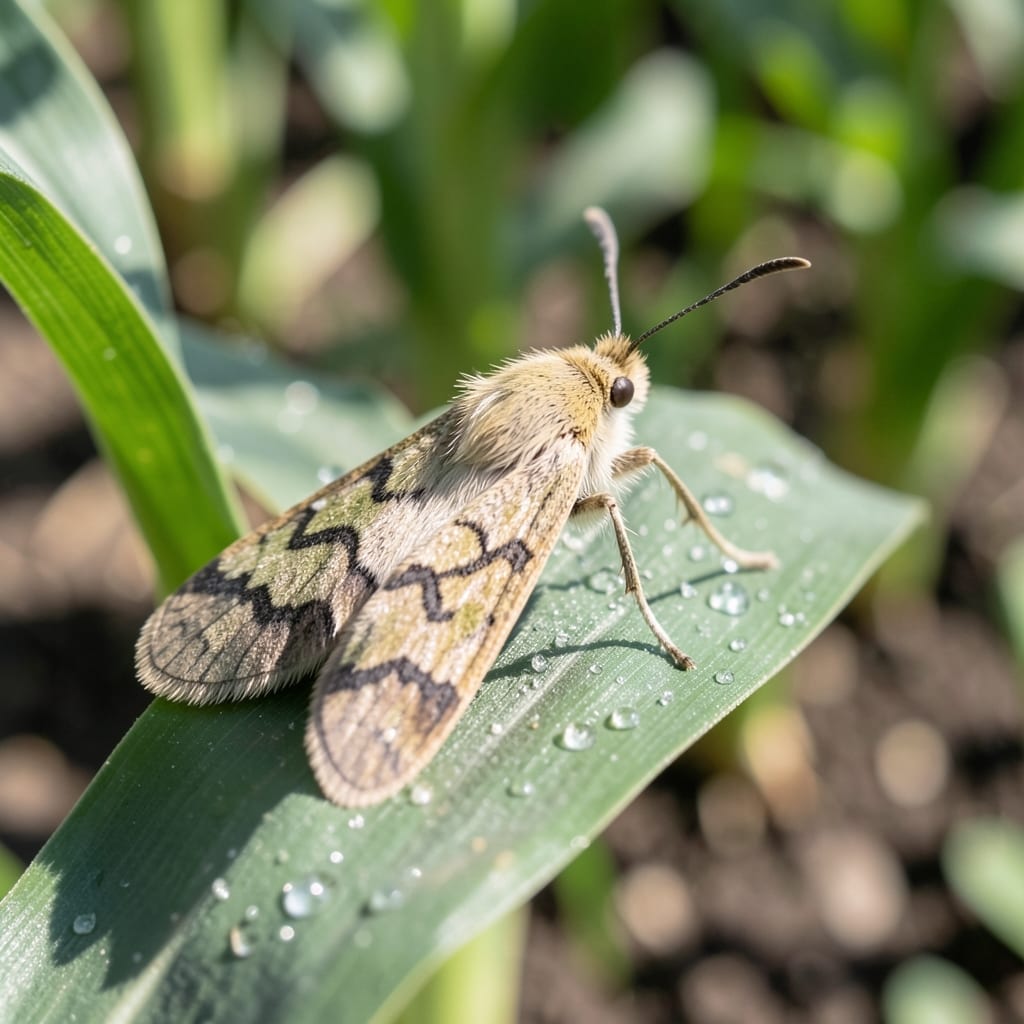
Three years ago, I lost half my sweet corn to invisible invaders overnight. Tiny holes in leaves, chewed silks, and stunted ears told the story before I even spotted the culprits.
Corn attracts a specific crew of pests—each with its own calling card. Some tunnel through stalks while others munch on kernels before they even form. The damage isn’t just unsightly; it can wipe out entire harvests if left unchecked.
I’ve since learned that early identification is half the battle. Most of these insects are predictable: they arrive at certain times, target specific parts, and leave unmistakable signs behind.
With the right monitoring and targeted responses, you can keep your crop healthy and productive all season long.
Corn fields often become a buffet for insects due to a mix of natural and environmental factors. Understanding these causes helps farmers and gardeners take targeted action to protect their crops.
Corn is packed with carbohydrates, proteins, and sugars, making it an irresistible food source for many insect species. The high starch content in kernels and the sweet sap in stalks attract pests like corn earworm and fall armyworm. These nutrients fuel insect growth and reproduction, turning cornfields into ideal breeding grounds.
Unlike some plants that produce natural repellents, corn lacks strong chemical defenses against herbivores. Its thin husks and exposed silks provide easy access for insects to lay eggs and feed. Additionally, monoculture farming—growing only corn in large areas—removes biodiversity, which would otherwise deter pests through natural predators.
Warm, humid conditions accelerate insect activity, and corn thrives in these same environments. Drought or excessive rain can stress plants, making them more vulnerable to infestations. For example, European corn borers thrive in dry, hot weather, while rootworms prefer moist soil to lay eggs near corn roots.
Early or late planting can synchronize with pest life cycles. If corn is in its tasseling stage when moths are active, it’s more likely to attract egg-laying females. Adjusting planting dates or using resistant varieties can disrupt this alignment and reduce damage.
Dealing with pests munching on your corn? Here’s how to tackle the most common culprits and keep your crop thriving.
These caterpillars burrow into ears, leaving behind frass and damage. Fix: Apply Bacillus thuringiensis (Bt) sprays to young silk and tassels, where moths lay eggs. Reapply every 5-7 days during silking. For organic control, introduce parasitic wasps like Trichogramma.
Prevention: Plant early-maturing corn varieties to avoid peak moth flights. Rotate crops yearly to disrupt their life cycle.
These sap-sucking insects weaken plants and spread diseases. Fix: Blast them off with a strong water spray or apply insecticidal soap or neem oil. Ladybugs and lacewings are natural predators—attract them with companion plants like marigolds.
Prevention: Keep weeds in check, as they often harbor aphids. Use reflective mulch to deter leafhoppers.
Larvae chew roots, causing wilting and poor growth. Fix: Use beneficial nematodes (e.g., Heterorhabditis bacteriophora) to target larvae in the soil. For severe infestations, apply pyrethrin-based insecticides at planting.
Prevention: Rotate corn with non-host crops like soybeans or alfalfa. Consider resistant Bt corn hybrids if rootworms are a recurring issue.
These nocturnal feeders sever young seedlings at the base. Fix: Handpick cutworms at dusk or dawn, or use cardboard collars around seedlings to block them. Apply Spinosad for organic control.
Prevention: Till the soil in fall to expose and disrupt pupae. Remove plant debris where adults lay eggs.
💡 Pro Tip: Monitor your corn regularly for early signs of damage. Catching pests early makes treatment easier and more effective!
Look for holes in leaves, chewed silks, or wilting stalks. Earworms leave frass near silk, while rootworms cause stunted growth. Inspect plants at dawn or dusk when pests are most active.
Yes! Introduce beneficial insects like ladybugs or parasitic wasps. Use neem oil or insecticidal soap for aphids. Companion planting with marigolds can deter many pests.
Act at first signs of damage, especially during silking for earworms. Early morning or late evening applications work best. Treat every 5-7 days during peak pest activity.
Rotating with non-host crops like soybeans breaks pest life cycles. This is especially effective against rootworms and cutworms.