
Beautiful Plants For Your Interior
Beautiful Plants For Your Interior
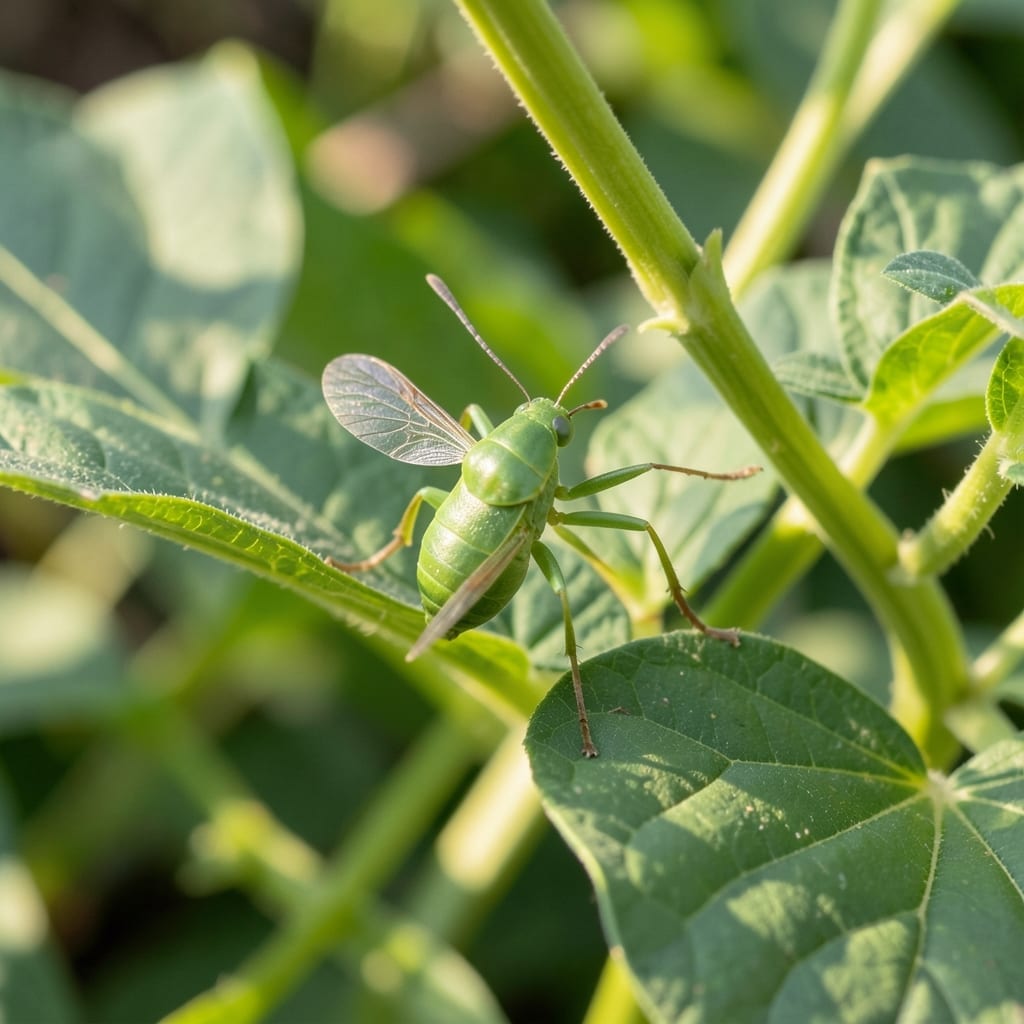
Green beans covered in tiny holes overnight. I’ve been there, staring at my plants wondering what went wrong. Turns out, those leaves are a buffet for several common pests.
Mexican bean beetles, aphids, and spider mites are usually the culprits. They target the leaves first, then move to pods if left unchecked. The damage looks worse than it is—most plants recover with the right intervention.
Organic solutions work surprisingly well. A strong blast of water knocks off aphids, while neem oil handles most other invaders. I’ve saved entire crops with just 2-3 applications.
Best part? These methods protect your harvest without chemicals. The beans keep growing, the pests disappear, and you get to enjoy the fruits of your labor.
Green bean plants often attract insects due to a mix of environmental, biological, and cultural factors. Understanding these causes helps you address the root of the problem and keep your garden thriving. Below are the most common reasons why pests flock to your green beans:
Green beans are packed with nitrogen, a nutrient that pests like aphids, bean beetles, and spider mites crave. As legumes, these plants fix nitrogen in the soil, creating a buffet for insects that feed on sap or plant tissue. The high protein and sugar content in the leaves and pods make them especially appealing to herbivorous pests.
Green beans thrive in warm, humid environments—conditions that also favor many insect species. Moist soil and dense foliage provide the perfect habitat for pests to breed and hide. For example, whiteflies and leafhoppers proliferate in warm, sheltered spots, while excessive moisture can attract slugs and snails to the base of the plants.
Leftover plant debris, weeds, or fallen leaves create hiding spots and breeding grounds for insects. Pests like the Mexican bean beetle lay eggs on the undersides of leaves, and overwintering adults often take refuge in garden waste. Without regular cleanup, these populations can explode come spring.
Monoculture plantings (growing only green beans in a section) eliminate natural predators like ladybugs or lacewings, which keep pest populations in check. Without beneficial insects or companion plants (e.g., marigolds or basil), harmful pests face no resistance and multiply unchecked.
Dealing with pests on your green beans doesn’t have to mean reaching for harsh chemicals. Here’s how to tackle common invaders with simple, natural fixes:
These tiny green or black bugs cluster on new growth and undersides of leaves. Spray them off with a strong stream of water in the morning—this dislodges them without harming plants. For stubborn infestations, apply neem oil or insecticidal soap (1 tbsp soap per quart of water). Prevent by encouraging ladybugs and lacewings, their natural predators.
Adult beetles chew leaves, while larvae attack roots. Handpick adults early in the morning when they’re sluggish. Place yellow sticky traps near plants to catch them. Prevent by rotating crops yearly and removing plant debris after harvest to disrupt their lifecycle.
These microscopic pests cause yellow stippling on leaves. Mist plants regularly to deter them, as they thrive in dry conditions. For active infestations, spray with water and a few drops of dish soap. Prevent by keeping the garden weed-free and avoiding drought stress.
Check undersides of leaves for tiny green aphids or yellow beetle eggs. Spider mites leave fine webbing, while chewed leaves often mean bean beetles. A magnifying glass helps spot these early.
Spray plants with 1 tbsp insecticidal soap per quart of water for immediate results. Neem oil works in 24-48 hours for most infestations. Always apply in the morning for best absorption.
Yes! Marigolds repel beetles, while basil deters whiteflies. Plant them between rows for natural protection. This method reduces pest issues by up to 60%.
Act at first sign of damage—don’t wait for heavy infestations. Early morning is ideal for sprays. Repeat treatments every 5-7 days until pests are gone.