
Beautiful Plants For Your Interior
Beautiful Plants For Your Interior
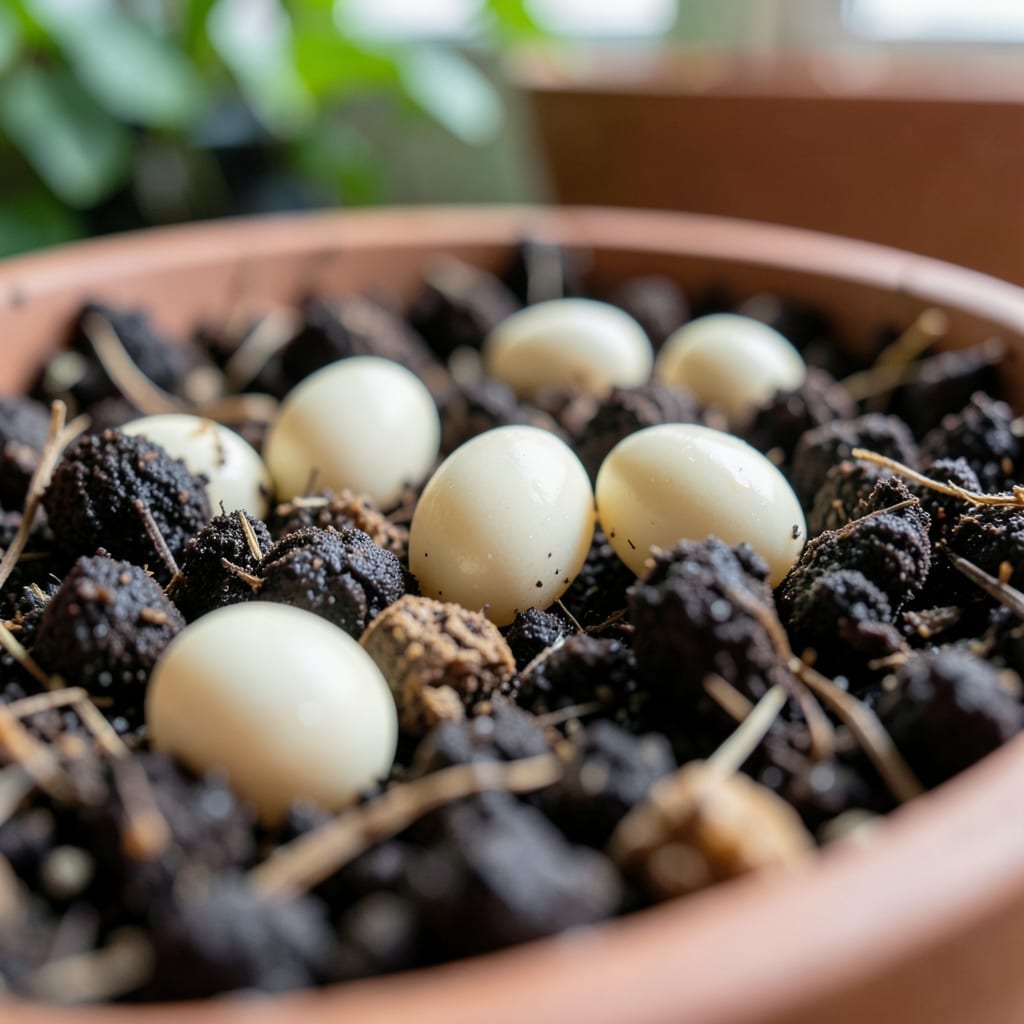
Small white specks in your potting soil aren’t always perlite. I’ve learned the hard way that insect eggs can hitch a ride in any bag of soil, ready to wreak havoc on your plants.
These uninvited guests often go unnoticed until they hatch, but there are simple ways to spot and stop them early. The key is knowing what to look for and acting fast before they multiply.
You’ll keep your plants thriving without resorting to harsh chemicals. A few preventive steps now save you from major headaches later in the growing season.
Works for all indoor and outdoor container gardens. Here’s how to take control before it’s too late.
Insect eggs in potting soil can appear for several reasons, often tied to environmental conditions or poor soil management. Understanding these causes helps prevent future infestations. Below are the most common culprits:
Many commercial potting mixes contain organic matter like compost or peat, which may harbor dormant insect eggs. If the soil isn’t properly sterilized before packaging, these eggs can survive and hatch once introduced to warm, moist conditions. Always opt for sterilized potting soil labeled for indoor use to minimize this risk.
If your garden or nearby outdoor areas have active pest populations (e.g., fungus gnats, thrips, or springtails), eggs can be accidentally introduced into potting soil. These pests lay eggs in damp, organic-rich environments, and even indoor plants near open windows or doors are vulnerable. Regularly inspect plants and use yellow sticky traps to monitor and reduce adult populations.
Excess moisture creates an ideal breeding ground for insects like fungus gnats, which thrive in soggy soil. Overwatering not only stresses plants but also encourages pests to lay eggs in the damp medium. Ensure pots have drainage holes and use a well-aerated soil mix to discourage egg-laying.
Reusing old pots or trays without cleaning them can transfer leftover eggs or larvae from previous plants. Even microscopic residues can restart an infestation. Always wash containers with a 10% bleach solution or hot soapy water before reuse to eliminate hidden pests.
Dealing with insect eggs in your potting soil doesn’t have to be a losing battle. Here’s how to tackle the issue head-on, with practical fixes for each common cause.
Fungus gnats and other pests thrive in damp conditions. If overwatering is the culprit, stop watering immediately and let the top 1-2 inches of soil dry out completely. Move the plant to a sunnier spot or use a fan to speed up drying. For stubborn moisture, repot the plant in fresh, dry soil.
Prevention tip: 💡 Water only when the topsoil feels dry to the touch, and ensure pots have drainage holes.
If the soil itself is infested, remove the plant and discard the old soil (don’t compost it!). Replace it with a high-quality, sterile potting mix. For a DIY fix, bake the soil at 200°F (93°C) for 30 minutes to kill eggs and larvae before reuse.
Prevention tip: ✨ Always use fresh, bagged potting soil for indoor plants, and avoid garden soil, which often harbors pests.
For active pests like fungus gnats or mealybugs, try natural solutions first. Spray the soil with a mix of 1 part hydrogen peroxide to 4 parts water to kill eggs on contact. Neem oil or insecticidal soap (applied weekly) also works well. For severe cases, use a systemic granular insecticide labeled for indoor plants.
Prevention tip: 🎯 Quarantine new plants for 2-3 weeks before introducing them to your collection to prevent spreading pests.
Compacted or poorly draining soil traps moisture and attracts egg-laying pests. Loosen the soil with a fork and add perlite or coarse sand to improve aeration. Elevate pots on feet or a rack to enhance airflow underneath.
Prevention tip: 🌡️ Use pots with drainage holes and a well-draining soil mix tailored to your plant’s needs.
Look for tiny white, yellow, or brown specks on the soil surface or clinging to plant stems. They’re often clustered in moist areas. A magnifying glass helps confirm their presence.
Only after sterilizing it. Bake the soil at 200°F for 30 minutes to kill eggs and larvae. Never reuse untreated soil, as pests can return.
Remove the plant, discard the infested soil, and repot in fresh, sterile mix. For mild cases, let the soil dry completely or apply a hydrogen peroxide solution.
Yes! Neem oil, cinnamon, or diatomaceous earth can deter pests. Apply weekly for best results. Avoid overwatering to prevent new eggs.