
Beautiful Plants For Your Interior
Beautiful Plants For Your Interior
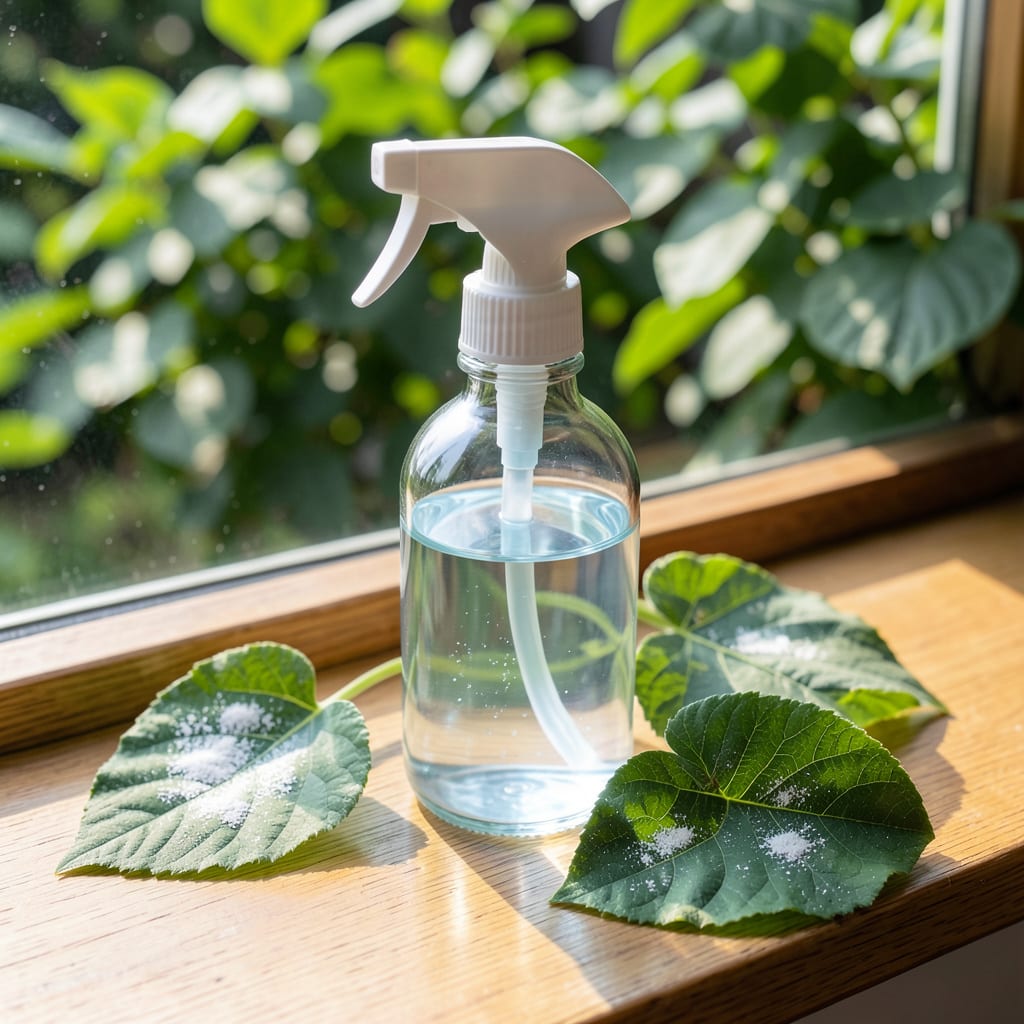
Powdery mildew hit my zucchini last summer like a bad joke. 24 hours after the first white spots appeared, I tried hydrogen peroxide—and the difference was shocking.
It’s not magic, but it’s close. A simple spray of 3% solution stops spores in their tracks without harsh chemicals. My plants recovered in 3-4 days, and the mildew never spread to healthy leaves.
The key is timing and concentration. Too strong burns leaves, too weak does nothing. I’ve perfected the ratio through trial and error, and it works on everything from roses to squash.
Best part? It’s safe, cheap, and you probably have a bottle right now. Here’s how to use it right.
Powdery mildew thrives under specific environmental and biological conditions. Understanding these triggers helps you prevent outbreaks before they start.
This fungal disease flourishes in 60–80% relative humidity with dry foliage. Unlike other fungi, powdery mildew doesn’t require wet leaves to spread—just stagnant, humid air. Crowded plantings or dense canopies trap moisture, creating a perfect breeding ground. Improve airflow with pruning or spacing to disrupt its growth cycle.
Temperature swings between 60–80°F (15–27°C) accelerate spore germination. The fungus remains dormant in extreme heat or cold but activates when days are warm and nights cool. This is why outbreaks often spike in spring and fall. Monitoring temperature fluctuations can help you time preventive treatments.
Some plants are genetically predisposed to powdery mildew, including roses, cucumbers, zucchini, and grapes. These species lack natural resistance, making them easy targets. If you’re growing high-risk plants, choose resistant cultivars (e.g., mildew-resistant squash or roses) to reduce vulnerability.
While powdery mildew doesn’t need water to infect, wet leaves at night can worsen outbreaks by promoting secondary infections. Watering at the base of plants (not the foliage) and doing so in the early morning allows leaves to dry quickly, limiting fungal spread.
Powdery mildew doesn’t stand a chance against a simple hydrogen peroxide solution. Here’s how to tackle it step by step:
Combine 1 tablespoon of 3% hydrogen peroxide with 1 quart (32 oz) of water in a spray bottle. For stubborn cases, add 1 teaspoon of baking soda to boost effectiveness. Shake well before use.
Spray the mixture directly onto affected leaves, stems, and both sides of the foliage until fully coated. Focus on white, powdery patches—this is where the fungus thrives. Apply in the early morning or late evening to avoid leaf burn from sun exposure.
Reapply every 5–7 days or after rain, as hydrogen peroxide breaks down quickly. Most infestations clear up within 2–3 treatments.
Pro tip ✨: Test the spray on a small area first to ensure your plants tolerate it. Hydrogen peroxide is gentle, but some sensitive plants may react.
Stick to 3% concentration to avoid burning leaves. Stronger solutions can damage plant tissue and won’t improve results. Always dilute properly.
You may notice improvement within 24-48 hours. Full clearance typically takes 2-3 treatments spaced 5-7 days apart. Patience is key with organic treatments.
Yes, 3% hydrogen peroxide is safe for vegetables and herbs. Rinse produce thoroughly before eating. It breaks down into water and oxygen, leaving no harmful residue.
Most plants tolerate it well, but test on a small area first. Sensitive varieties like ferns or some succulents may show leaf burn. Discontinue use if you see adverse effects.
