
Beautiful Plants For Your Interior
Beautiful Plants For Your Interior
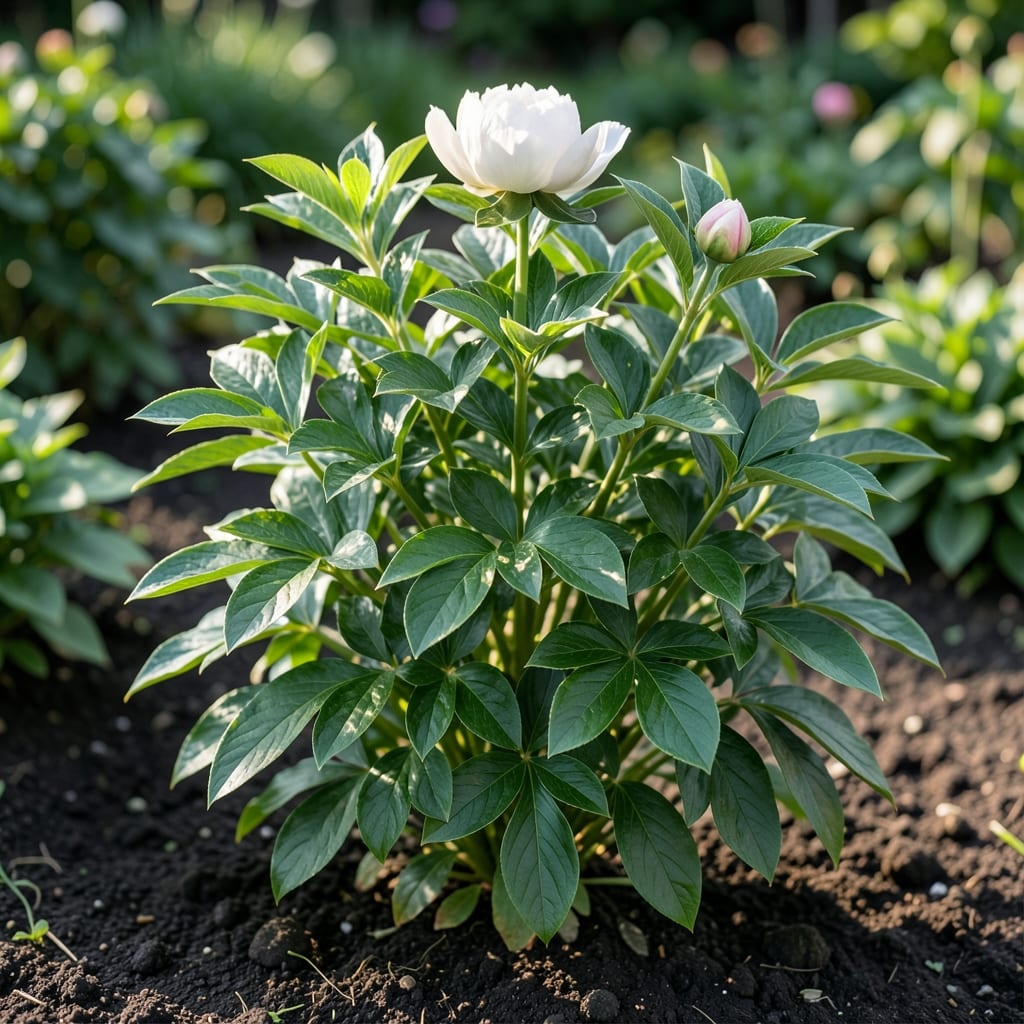
Peony leaves tell you everything about your plant’s health before a single bloom appears. I spent years misreading the subtle signs until I learned what to look for.
Deep green, glossy foliage with 3-9 leaflets per stem signals a thriving plant. Yellowing edges or brown spots often mean trouble, while red-tinted new growth is completely normal in spring.
Different varieties show unique patterns—tree peonies have larger, leathery leaves, while herbaceous types produce softer, more divided foliage. The key is knowing what’s typical for your specific plant.
Once you master these visual cues, you’ll catch issues early and keep your peonies vibrant all season long. The leaves are your plant’s way of talking to you.
Peony leaves can develop problems due to several underlying causes, each with distinct triggers. Understanding these helps in early intervention and prevention.
Botrytis blight and powdery mildew are common fungal culprits. Botrytis cinerea thrives in cool, wet conditions, causing brown spots and wilting, while Erysiphe polygoni (powdery mildew) leaves a white, powdery coating. Both spread via spores in humid environments with poor air circulation.
Aphids, thrips, and Japanese beetles target peony foliage. Aphids suck sap, leading to curled or yellowing leaves, while thrips create silvery streaks. Japanese beetles skeletonize leaves by chewing between veins. These pests weaken plants, making them more susceptible to disease.
Overwatering or drought can stress peonies, causing leaf scorch or yellowing. Poor drainage leads to root rot, while insufficient water disrupts nutrient uptake. Extreme temperatures—either too hot or cold—can also trigger leaf discoloration or dieback.
Lack of essential nutrients like nitrogen, iron, or magnesium manifests in leaf symptoms. Nitrogen deficiency causes pale yellow leaves, while iron deficiency leads to interveinal chlorosis (yellowing between veins). A soil test can pinpoint imbalances for targeted fertilization.
Addressing these causes early ensures healthier foliage and more vibrant blooms.
When your peony leaves show signs of trouble, quick action can restore their health. Below are targeted fixes for common problems, along with prevention tips to keep your plants thriving.
If leaves turn yellow, check for overwatering or poor drainage. Replant in well-draining soil with compost to boost aeration. Water only when the top inch of soil is dry. Prevention tip: 💡 Raise beds or use containers if your soil retains too much moisture.
Fungal spots (like Botrytis) need immediate attention. Prune affected leaves and dispose of them (do not compost). Apply a fungicide like copper sulfate, and space plants for better airflow. Prevention tip: ✨ Avoid overhead watering to keep foliage dry.
Holes or ragged edges? Handpick pests like Japanese beetles or use neem oil for smaller invaders. Introduce beneficial insects like ladybugs. Prevention tip: 🎯 Plant companion flowers (e.g., marigolds) to deter pests naturally.
Weak or small leaves may signal nutrient deficiency. Use a balanced fertilizer (10-10-10) in early spring, and add bone meal for phosphorus. Prevention tip: 🌡️ Test soil annually to adjust pH (peons prefer 6.5–7.0) and nutrient levels.
Regular inspections and proactive care will keep your peony leaves lush and vibrant!
Healthy leaves are deep green and glossy with 3-9 leaflets per stem. Tree peonies have larger, leathery foliage, while herbaceous types produce softer, more divided leaves. New spring growth often has a red tint.
Yellowing often signals overwatering or poor drainage. Check soil moisture and improve drainage with compost. It can also indicate nitrogen deficiency, which a soil test can confirm.
Fungal spots like Botrytis appear as brown patches, often with a water-soaked look. Powdery mildew shows as white, powdery coating. Both thrive in cool, wet conditions with poor airflow.
Holes likely mean pests like Japanese beetles or aphids. Handpick larger pests and use neem oil for smaller ones. Companion planting with marigolds can deter future attacks.