
Beautiful Plants For Your Interior
Beautiful Plants For Your Interior
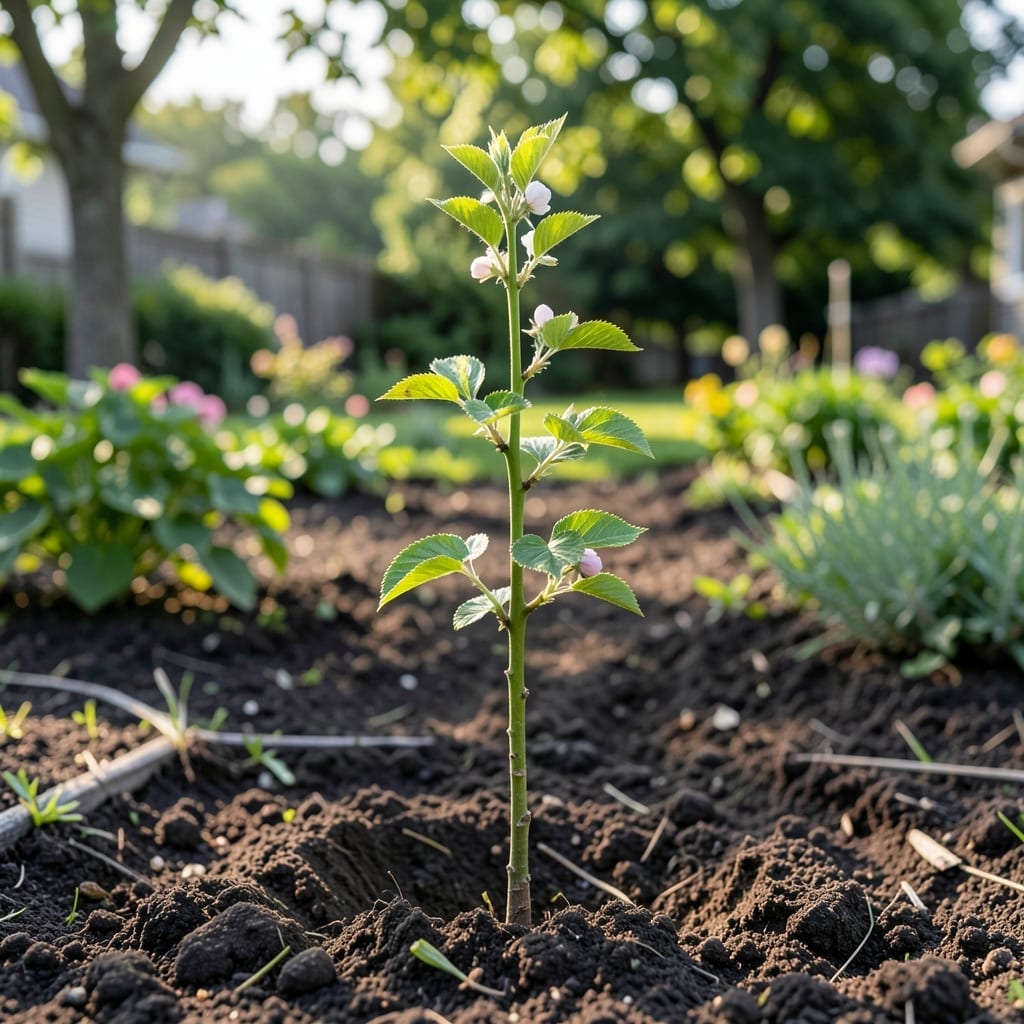
Spotting that first cherry seedling in your garden feels like finding hidden treasure. I’ve learned to look for the distinct ovate leaves with finely serrated edges and that unmistakable glossy finish.
Young seedlings often have a reddish stem that darkens as they mature. Unlike lookalikes, cherry seedlings grow in a slightly zigzag pattern early on, and the leaves cluster in an alternating arrangement.
By the time they reach 6 inches tall, the true cherry leaf shape becomes unmistakable. The growth is slow at first but picks up speed once the roots establish.
Once identified, keep the soil consistently moist and protect them from harsh winds. These little trees are tougher than they look if given the right start.
Misidentifying cherry seedlings often stems from their subtle yet critical differences compared to mature trees or other young plants. Below are the primary causes for this common gardening challenge.
Cherry seedlings (Prunus avium or Prunus cerasus) share early traits with other Prunus species, like plums or peaches. Their cotyledons (seed leaves) are often identical in shape and size, and the first true leaves may lack the serrated edges or glossy finish typical of mature cherry foliage. This morphological overlap makes visual identification cherry seedling tricky without genetic or fruiting confirmation.
Grafted cherry trees produce seedlings that may inherit traits from the rootstock rather than the scion (the fruiting variety). For example, a ‘Bing’ cherry grafted onto a Prunus mahaleb rootstock could yield seedlings with mahaleb-like leaves—smaller, darker, and less serrated. This genetic mixing complicates identification, especially if the seedling’s parentage is unknown.
Seedlings grown in poor light, nutrient-deficient soil, or drought conditions may develop atypical features. For instance, light starvation can cause elongated, pale stems and undersized leaves, while nutrient deficiencies (e.g., nitrogen or iron) may lead to chlorosis (yellowing) or stunted growth. These stress-induced traits can mask the seedling’s true identity until conditions improve.
Young cherry seedlings lack the distinct bark texture, lenticels (pores), or leaf shape of mature trees. The iconic cherry bark—smooth with horizontal lenticels—only develops after 2–3 years. Similarly, the characteristic ovate leaves with acute tips and serrated margins may not fully emerge until the seedling is 6–12 months old, leaving early-stage plants looking generic.
Identifying cherry seedlings correctly can be tricky, but these practical solutions will help you get it right every time. Below are common causes of misidentification and their fixes, along with prevention tips to keep your gardening on track.
Fix: Cherry seedlings have distinct ovate (egg-shaped) leaves with fine serrations and a glossy finish. Compare suspect plants to confirmed cherry seedlings or use a gardening app for visual matching. If unsure, wait for the second set of true leaves—they’re more recognizable.
Prevention: Label seeds at planting and keep a sketch or photo of young cherry leaves for reference. 💡 Pro tip: Plant seedlings in a designated nursery area away from weeds to avoid confusion.
Fix: Cherry seedlings are often mistaken for plum or peach seedlings. Check the leaf arrangement—cherry leaves are alternate (not paired), and the stem may have a slight reddish tint. For confirmation, gently crush a leaf; cherry leaves emit a faint almond-like scent.
Prevention: Grow a known cherry seedling alongside your unknown plants for side-by-side comparison. Use seed packets from trusted suppliers to avoid mixed-up species.
Fix: If the seedling has only cotyledons (the first “baby leaves”), give it time. True leaves appear after 2–3 weeks and reveal the plant’s identity. Speed up the process by providing 12–14 hours of light daily and consistent moisture.
Prevention: Start seeds in clear plastic containers to monitor root and leaf development without disturbing the soil. ✨ Pro tip: Take weekly photos to track progress and spot traits as they emerge.
Fix: Sweet and tart cherry seedlings have subtle differences. Sweet cherries (Prunus avium) often have larger, darker leaves, while tart cherries (Prunus cerasus) may be bushier. Consult a regional gardening guide or extension office for variety-specific clues.
Prevention: Save tags or seed packets with variety names, and research their juvenile traits before planting. Join gardening forums to share photos and get expert input.
They’re ovate with finely serrated edges and a glossy finish. The first true leaves appear after 2-3 weeks, often with a slight reddish stem that darkens as they grow.
Look for the alternate leaf arrangement and slight zigzag growth pattern. Weeds often have paired leaves or random growth, while cherry seedlings develop a more structured shape early on.
It’s difficult. Cotyledons (seed leaves) look similar across many plants. Wait for the first true leaves, which reveal the distinctive cherry shape and texture.
Variations occur due to rootstock influence or environmental stress. Grafted trees may produce seedlings with traits from the rootstock, not the fruiting variety.