
Beautiful Plants For Your Interior
Beautiful Plants For Your Interior
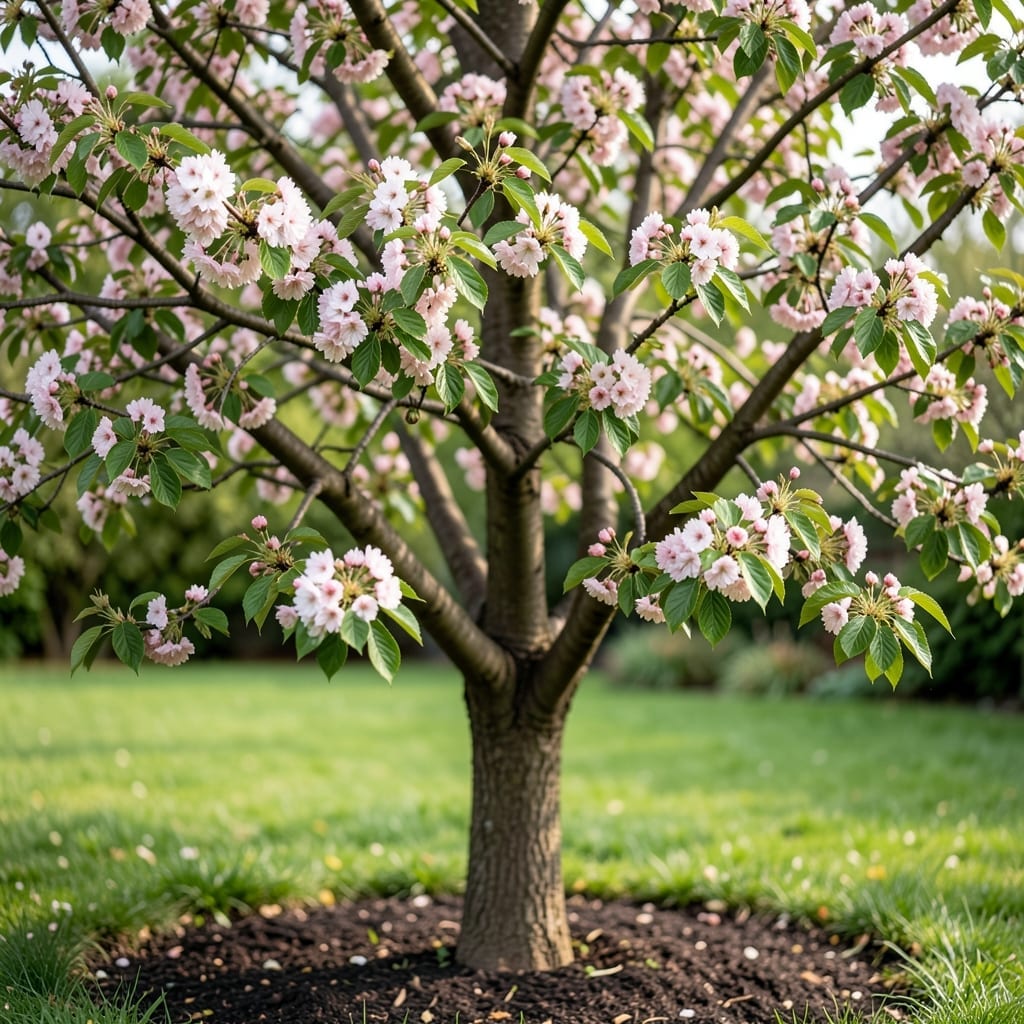
If you’ve just planted a Cherry Tree 🌳, you’re probably counting the days until your first homegrown harvest. That first taste of sun-ripened fruit from your own backyard is truly special.
But here’s what most new growers don’t realize: the waiting period can vary dramatically. Some trees surprise you with fruit in just 3-4 years, while others make you wait nearly a decade.
The difference often comes down to factors you can control. From the variety you choose to how you care for your tree, small decisions today can shave years off your wait time.
I’ll walk you through exactly what determines when your Cherry Tree will bear fruit and how to give it the best possible start. The good news? You might be closer to that first harvest than you think.
When I planted my first cherry tree, I was surprised to learn that not all varieties follow the same fruiting timeline. The type of cherry tree you choose plays a huge role in how long you’ll wait for that first harvest.
Sweet cherry trees typically take 4-7 years to produce fruit, while tart varieties often bear fruit a bit sooner, around 3-5 years. Dwarf cherry trees may start producing in as little as 2-3 years due to their smaller size and focused energy.
The rootstock used for grafting can also influence fruiting time. I’ve seen precocious rootstocks help trees bear fruit 1-2 years earlier than standard options. Climate zone matters too—cherries in warmer zones often mature faster than those in cooler areas.
In my experience, Bing cherries (a popular sweet variety) usually start producing in year 5, while Montmorency (a tart type) often gives fruit by year 3. If you’re impatient, look for dwarf varieties like Stella Compact, which can fruit in just 2 years.
Standard cherry trees planted from seed may take 7-10 years to fruit, which is why most gardeners opt for grafted nursery trees that are already 1-2 years old at planting. This gives you a head start on the fruiting timeline.
I’ve found that semi-dwarf trees offer a great middle ground. They typically start fruiting in 3-5 years and reach a manageable 12-18 feet tall. This makes them easier to prune and harvest compared to full-size trees.
Remember that first-year flowers should often be removed to encourage stronger tree development. While it’s tempting to let them grow, this practice can lead to better long-term yields. I made this mistake with my first tree and ended up with a weaker harvest the following year.
For the fastest results, I recommend choosing a tart cherry variety or a dwarf sweet cherry. Both can start producing in as little as 2-3 years with proper care. Just be sure to provide full sun and well-draining soil to support their growth.
🌳
When I planted my first cherry tree, I quickly learned that fruit production timeline isn’t set in stone. Several factors can either accelerate your first harvest or make you wait longer than expected.
From my experience, the biggest game-changers are tree variety, growing conditions, and care practices. Even small adjustments in these areas can shave years off your waiting period.
The rootstock your tree is grafted onto plays a huge role. I’ve seen semi-dwarf trees on precocious rootstocks produce fruit in just 3 years, while standard trees on vigorous rootstocks might take a decade.
Climate and chill hours also matter. Most cherry varieties need 500-1000 chill hours below 45°F to set fruit properly. If your winters are too mild, you might need a low-chill variety.
Don’t underestimate planting location. Trees in full sun (6+ hours daily) with good air circulation will always outperform those in shady, crowded spots. I made this mistake with my first tree and waited an extra two years for fruit.
Finally, pest and disease management is crucial. Cherry fruit fly and brown rot can destroy blossoms before they become fruit. Regular monitoring and organic sprays can protect your investment.
☀️