
Beautiful Plants For Your Interior
Beautiful Plants For Your Interior
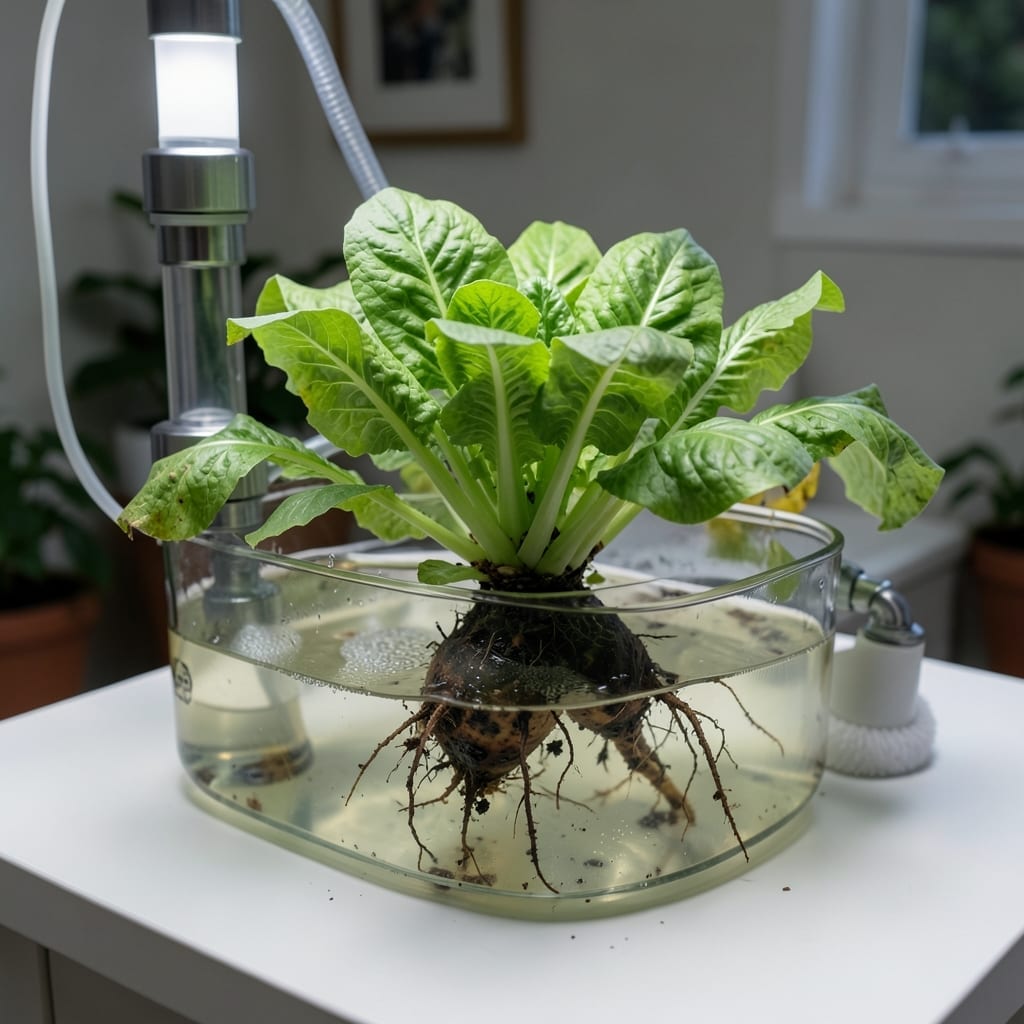
Brown, slimy roots in your hydroponic system mean trouble. 🌱 I’ve lost entire crops to root rot before learning to spot the early warning signs—discoloration, foul smell, and roots that fall apart at the touch.
The problem usually starts with poor oxygen levels or stagnant water, but I’ve found that simple adjustments to your setup can prevent most cases. Proper aeration and regular system checks make all the difference.
Organic treatments like hydrogen peroxide or beneficial bacteria can save your plants if you catch it early. The key is acting fast—once rot spreads, it’s often too late to recover.
Works for any hydroponic system, from small countertop setups to large indoor gardens. Here’s how to keep your roots healthy and your plants thriving.
Hydroponic systems create an ideal environment for plants, but they can also foster root rot if conditions aren’t carefully controlled. This section breaks down the primary causes of this damaging issue.
Root rot thrives in saturated, oxygen-deprived environments. In hydroponics, stagnant water or overly frequent irrigation prevents roots from accessing oxygen. Without proper drainage or circulation, anaerobic bacteria (like Pythium) multiply, attacking the root system. Action: Ensure your system has adequate aeration (e.g., air stones) and drainage to prevent waterlogging.
Water temperatures above 75°F (24°C) accelerate microbial growth, including root rot pathogens. Warm water holds less dissolved oxygen, further stressing the roots. Action: Maintain water temperatures between 65–70°F (18–21°C) using chillers or shade to inhibit pathogen proliferation.
Hydroponic systems are closed loops, making them vulnerable to Pythium, Fusarium, and other waterborne fungi. Contaminated tools, unclean reservoirs, or infected plant debris can introduce these pathogens. Action: Sterilize equipment, use hydrogen peroxide (3% solution) for system flushing, and quarantine new plants before introducing them.
Excess nutrients, particularly nitrogen and phosphorus, create a breeding ground for harmful microbes. Over-fertilization also damages root membranes, making them more susceptible to infection. Action: Monitor EC (electrical conductivity) levels and adjust nutrient solutions to avoid overfeeding.
Weak or damaged roots—from physical injury, transplant shock, or nutrient deficiencies—are less resistant to rot. Stressors like fluctuating pH (ideal: 5.5–6.5) or light exposure to roots can also compromise their defenses. Action: Handle roots gently, stabilize pH, and provide consistent growing conditions to bolster plant resilience.
Root rot doesn’t have to spell the end for your hydroponic garden. Here’s how to tackle the most common causes—and prevent them from coming back.
Stagnant water suffocates roots. Fix it: Increase aeration by adding an air stone or upgrading your pump. Run it 24/7 for severe cases. For prevention, always keep dissolved oxygen levels above 5 ppm.
💡 Pro tip: Use a fine-bubble diffuser for maximum oxygen distribution.
Pathogens thrive in dirty systems. Fix it: Drain the reservoir, scrub with a 3% hydrogen peroxide solution (1:10 ratio with water), and rinse thoroughly. Reintroduce beneficial microbes with a hydroponic-specific inoculant.
🌡️ Prevention: Maintain a reservoir temp below 75°F (24°C) and use a UV sterilizer for large setups.
Excess nutrients = stressed roots. Fix it: Drain the nutrient solution and replace it with pH-balanced water (5.5–6.5) for 24 hours. Then, reintroduce nutrients at half strength, gradually increasing.
✨ Pro tip: Test EC levels weekly—keep them in the ideal range for your crop (e.g., 1.2–2.0 for lettuce).
Decaying roots or debris fuel rot. Fix it: Trim black, slimy roots with sterilized scissors and remove any plant debris. Replace the growing medium if it’s clogged.
🎯 Prevention: Inspect roots weekly and prune dead growth immediately.
Early warning signs include brown discoloration on roots and a foul odor. Healthy roots are white and firm, while affected ones become slimy and fall apart when touched.
Maintain water temperatures between 65–70°F and ensure proper aeration with air stones. Sterilize equipment regularly and monitor nutrient levels to avoid overfeeding.
Act fast by trimming affected roots with sterilized tools and flushing the system with pH-balanced water. Severe cases may require removing the plant to protect others.
Inspect roots and water conditions weekly. Check dissolved oxygen levels daily if you’ve had previous issues. Consistent monitoring catches problems early.